
Desserts
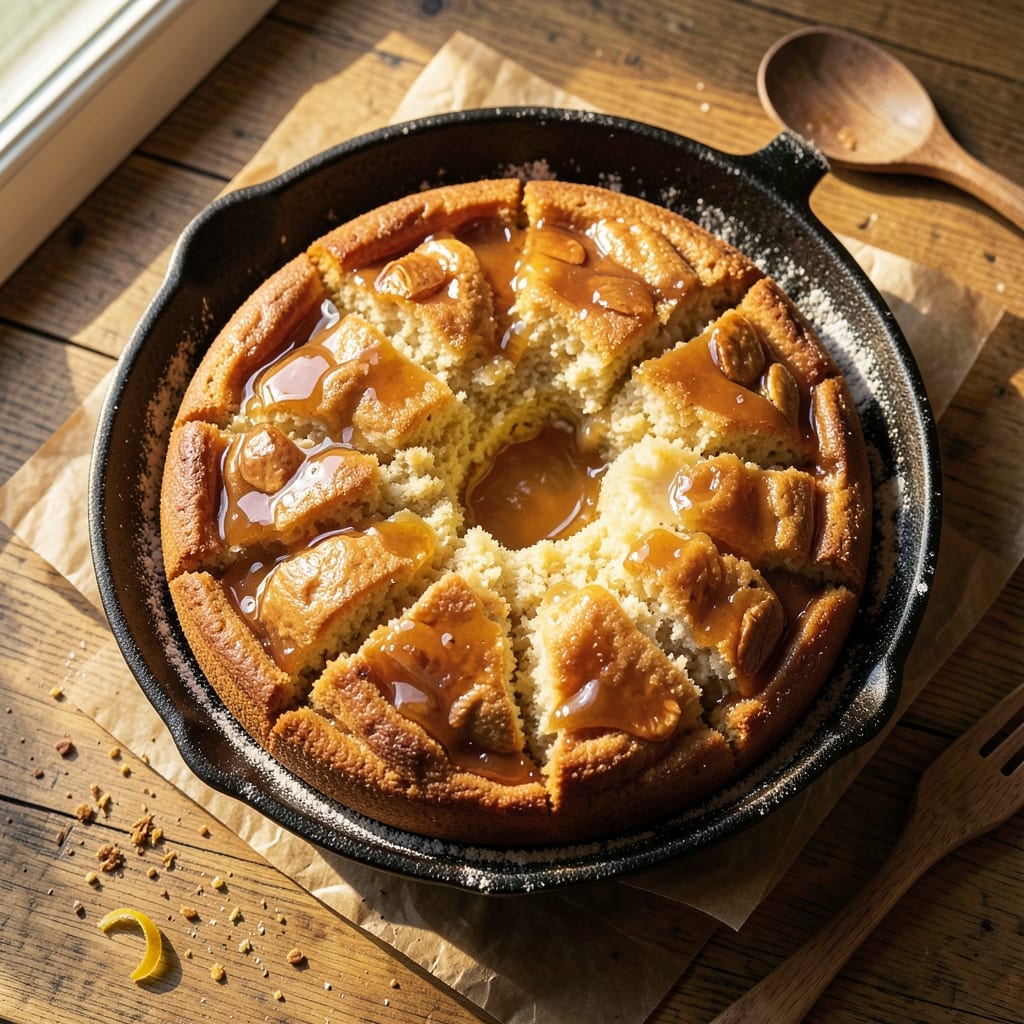
This almond syrup cake delivers moist, tender layers infused with nutty depth without overpowering sweetness—perfect for those who love almond flavor but not heavy marzipan. The secret lies in balancing almond syrup with vanilla and citrus, creating a cake that's rich yet light, with just the right amount of almond essence in every slice. I developed this recipe after years of experimenting with almond-based desserts, and it's now a staple in my dessert rotation.
The cake itself is a foolproof vanilla sponge, where the almond syrup is incorporated into the batter for even distribution. This ensures the nutty flavor is present but never dominant, making it approachable for anyone. The texture is what sets it apart—moist and tender, with a slight crumb that holds up beautifully even after a few days. It's the kind of cake that feels special without being overly complicated.
What makes this recipe truly special is the finishing touch: a light almond syrup glaze drizzled over the top. This isn't just decoration—it enhances the almond flavor while keeping the cake from becoming too heavy. The glaze sets just enough to create a subtle sheen, adding a touch of elegance without requiring extra effort. It's the perfect balance of simplicity and sophistication.
Whether you're serving it at a brunch, a holiday gathering, or just treating yourself, this almond syrup cake is sure to impress. The recipe is designed to be adaptable—you can adjust the almond syrup to taste or even add a layer of almond cream for extra indulgence. Let's get baking!
Ingredients for almond syrup cake
Foolproof vanilla sponge meets nutty almond essence—just 14 ingredients for moist, elegant cake layers.
| Ingredient | Amount | Notes |
|---|---|---|
| All-Purpose Flour 🌾 | 2 ½ cups | Sifted for light texture |
| Granulated Sugar 🍚 | 2 cups | White or light brown |
| Almond Syrup 🥜 | 1 cup | Homemade or store-bought |
| Unsalted Butter 🧈 | 1 cup | Room temperature, full-fat |
| Large Eggs 🥚 | 4 whole | Room temperature, fresh |
| Pure Vanilla Extract 🌿 | 2 tsp | High-quality, no alcohol |
| Baking Powder 🧂 | 2 tsp | Diamond Crystal preferred |
| Salt 🧂 | ½ tsp | Fine sea salt |
| Ground Almonds 🥜 | 1 cup | Finely ground, not almond flour |
| Lemon Zest 🍋 | 1 tbsp | Fresh, organic preferred |
| Lemon Juice 🍋 | 1 tbsp | Freshly squeezed |
| Powdered Sugar 🍚 | 1 ½ cups | For glaze, sifted |
| Heavy Cream 🥛 | ¼ cup | Cold, for glaze |
| Almond Extract 🥜 | ½ tsp | Pure, not imitation |
The almond syrup is the heart of this cake, so quality matters. Homemade is ideal—simmer 1 cup almonds with 2 cups sugar and 1 cup water until syrupy—but store-bought works too (check for no added oils). I grab mine from Trader Joe's when I'm short on time. Ground almonds add subtle texture without overpowering; blend whole almonds yourself for fresher flavor. The butter? Full-fat and room temperature—this isn't the time for low-fat shortcuts. Fresh eggs and vanilla extract elevate everything, so don't skimp.
No almond syrup? Substitute with 1/2 cup apricot jam plus 1/2 cup water, simmered until smooth. Short on ground almonds? Extra-fine almond flour works in a pinch, but texture will differ slightly. The glaze can be made ahead—just whisk powdered sugar, cream, and extract when ready to use. For extra richness, add 1 tbsp melted butter to the glaze. Lemon zest adds brightness; if you're not a fan, orange zest works beautifully. And yes, you can use brown sugar if you prefer a deeper caramel note.
This cake keeps beautifully—3 days at room temperature covered with a damp towel, or 5 days refrigerated. For longer storage, freeze layers wrapped in plastic for up to 2 months. The glaze sets quickly, so assemble the cake just before serving. I always make a double batch—one for immediate enjoyment and one to freeze for later. Slice with a warm knife for cleaner cuts, and serve with whipped cream or fresh berries for contrast.
Why You'll Love This Recipe
- No Mixer Needed: I swear by this recipe when I’m in a rush—just creaming butter and sugar by hand, then folding in the eggs and almond syrup. The cake turns out tender and moist without overworking the batter, and honestly? My lazy Sundays love me for it.
- Rich Without Overpowering: That almond syrup? It’s the star—sweet but not cloying, with a nutty depth that makes every slice feel special. The butter keeps it rich, but the flour’s lightness balances it so it doesn’t weigh you down.
- Birthday or Breakfast: Slice it warm for a celebration, or pack it in the fridge for grab-and-go mornings. The texture holds up surprisingly well, and I’ve even frosted it with whipped cream or drizzled it with extra syrup—works for any vibe.
- Budget-Friendly Luxury: Almond syrup might sound fancy, but a little goes a long way, and the rest of the ingredients are pantry staples. I’ve made this for 12 people for under $15—feels like a bakery cake without the price tag.
Step-by-step instructions for almond syrup cake
Here's how to create a perfectly moist almond syrup cake with nutty depth that won't overpower.
Prepare the Cake Batter
Preheat your oven to 350°F and grease two 9-inch round cake pans with butter or baking spray. Line the bottoms with parchment paper for easy removal. In a large mixing bowl, combine the 2.5 cups All-Purpose Flour, 2 tsp Baking Powder, and 0.5 tsp Salt. Sift this mixture together to ensure a light, airy texture—this prevents dense cake.
In a separate bowl, cream together the 1 cup Unsalted Butter and 2 cups Granulated Sugar on medium speed until light and fluffy, about 3-4 minutes. The mixture should nearly double in volume and become pale. This step is crucial for a tender crumb—don't rush it. Add the 4 whole Large Eggs one at a time, mixing well after each addition until fully incorporated.
In a small bowl, whisk together the 1 cup Almond Syrup, 2 tsp Pure Vanilla Extract, 1 tbsp Lemon Juice, and 1 tbsp Lemon Zest. Slowly pour this mixture into the butter-sugar mixture while mixing on low speed. Then, gradually add the dry ingredients to the wet, mixing just until combined. Be careful not to overmix—you should still see small streaks of flour.
Fold in Ground Almonds and Bake
Gently fold in the 1 cup Ground Almonds using a spatula until evenly distributed throughout the batter. The almonds will add texture and subtle nutty flavor without overpowering the cake. Divide the batter evenly between the prepared cake pans and smooth the tops with a spatula.
Bake for 30-35 minutes or until a toothpick inserted into the center comes out clean. The cake should be golden brown on top but still slightly jiggly in the center—this ensures maximum moisture. If the edges brown too quickly, tent the pans with foil after 20 minutes to prevent over-browning.
Once baked, remove the cakes from the oven and let them cool in the pans for 10 minutes. Then, transfer them to a wire rack to cool completely. This gradual cooling prevents cracking and ensures even texture throughout.
Prepare the Almond Glaze
While the cakes cool, prepare the glaze by whisking together the 1.5 cups Powdered Sugar, 0.25 cup Heavy Cream, and 0.5 tsp Almond Extract in a medium bowl. The glaze should be smooth and pourable—if it's too thick, add a splash of heavy cream until it reaches the desired consistency.
Once the cakes are completely cool, place one cake layer on a serving plate. Spread a thin layer of the almond glaze over the top to help the second layer adhere. Place the second cake layer on top and gently press down. Then, pour the remaining glaze over the top and sides of the cake, allowing it to drip slightly for a decorative finish.
Let the glaze set for 10 minutes before slicing. This gives the cake time to absorb the glaze and ensures clean cuts. Serve immediately for the best texture—this cake is moistest when enjoyed fresh from the oven!
Pro Tips For Making Almond Syrup Cake
- Whisk Eggs Cold: Crack eggs straight from the fridge into a chilled bowl—no warm hands, no partial melting. I learned this the hard way when my eggs turned into scrambled bits mid-whipping, ruining the cake’s light texture. Cold eggs emulsify butter better and keep your batter silky.
- Melt Butter Slow: Heat butter in a saucepan over medium-low until it’s just liquid—no browning, no bubbles. Overheating turns it nutty and bitter, which clashes with the almond syrup’s delicate flavor. Use a thermometer if you’re paranoid (I’m not, but 160°F is the sweet spot).
- Weigh Flour Properly: Scoop flour into a measuring cup, then level it off with a knife—don’t pack it down. Too much flour makes the cake dense, and almond syrup’s moisture needs room to work. I used to eyeball it and wondered why my cake tasted like a brick.
- Test Doneness Early: Pull the cake when the center springs back firmly to touch—but still has a tiny jiggle. Overbaking dries out the almond syrup’s richness. If you’re unsure, stick a toothpick in: it should come out clean with one moist crumb clinging. No guesswork.
Storing and reheating this recipe
Room Temp Storage
Keep your almond syrup cake at room temperature for up to 3 days by covering it tightly with a damp kitchen towel or plastic wrap. The towel prevents drying while allowing a slight breathability—this maintains that perfect moist crumb. I always store mine in a cool pantry away from direct sunlight to preserve the delicate almond flavor. 🌿
Fridge Preservation
For longer storage, refrigerate the cake in an airtight container for up to 5 days. The cold slows down moisture loss, but I recommend bringing it to room temperature for 30 minutes before serving—this revives the texture beautifully. If you notice the glaze hardening, simply rewarm it with a 10-second microwave burst covered with a damp paper towel. 💫
Freezing Layers
Freeze individual cake layers (without glaze) wrapped in plastic wrap followed by aluminum foil for up to 2 months. Thaw overnight in the fridge, then assemble with fresh glaze. For extra moisture, brush the thawed layers with 2 tbsp warmed almond syrup before adding the glaze. This step prevents dryness during freezing. ❄️
Glaze Refresh Tips
If the glaze sets too firmly after refrigeration, gently warm the cake at 200°F for 5 minutes—this softens the glaze without drying the cake. For a quick fix, mix 1 tsp heavy cream with the glaze to restore its pourable consistency. I've also had success using a paintbrush to reapply glaze after reheating for that restaurant-quality finish. 🎨
Reheating Slices
For single slices, reheat in the microwave for 10-15 seconds covered with a damp paper towel. This method preserves moisture better than oven reheating. If using the oven, wrap slices in foil and warm at 300°F for 8-10 minutes—this prevents over-drying while reactivating the almond flavor. 🔥
Make-Ahead Glaze
Prepare the glaze 24 hours ahead and store it in an airtight container in the fridge. Before assembling, bring it to room temperature and whisk vigorously to smooth out any separation. I often make a double batch—one for immediate use and one to keep refrigerated for quick assembly later. This saves time and ensures consistent results every time. ✨
Nutrition facts
Frequently asked questions
Can I make this cake without almond syrup?
Yes! If you don't have almond syrup, substitute with ½ cup apricot jam plus ½ cup water, simmered until smooth. For a closer flavor, blend ½ cup almond butter with ½ cup warm water and strain out any lumps. The cake will still be delicious, though the nutty depth will be slightly different.
Why does my cake turn out dry?
Dry cake usually happens from overbaking or not enough moisture. Always check for a clean toothpick at 30-35 minutes—don't overbake! Also, ensure your butter and eggs are room temperature and don't overmix the batter. For extra moisture, brush warm layers with 2 tbsp warmed almond syrup before assembling.
How do I adjust this for a layer cake?
This recipe makes two 9-inch layers, perfect for a classic layer cake. For a taller cake, use three 8-inch pans and reduce each layer's batter by 1/3 cup. To add filling, spread a thin layer of almond cream or whipped cream between layers before adding the glaze. Just be sure to chill the cake for 1 hour before slicing.
Can I use almond flour instead of ground almonds?
Not exactly—they're different textures! Ground almonds add subtle texture without heaviness, while almond flour would make the cake denser. If you must substitute, use ½ cup almond flour plus ½ cup cake flour (replace ½ cup all-purpose flour elsewhere in the recipe). The result will be lighter but slightly less nutty.
What's the best way to serve this cake?
This cake shines with simple elegance! Pair it with fresh berries (raspberries or strawberries), a dollop of whipped cream, or a sprinkle of toasted almonds. For a festive touch, drizzle with dark chocolate ganache. Serve at room temperature—it's moistest when not chilled.