
Desserts
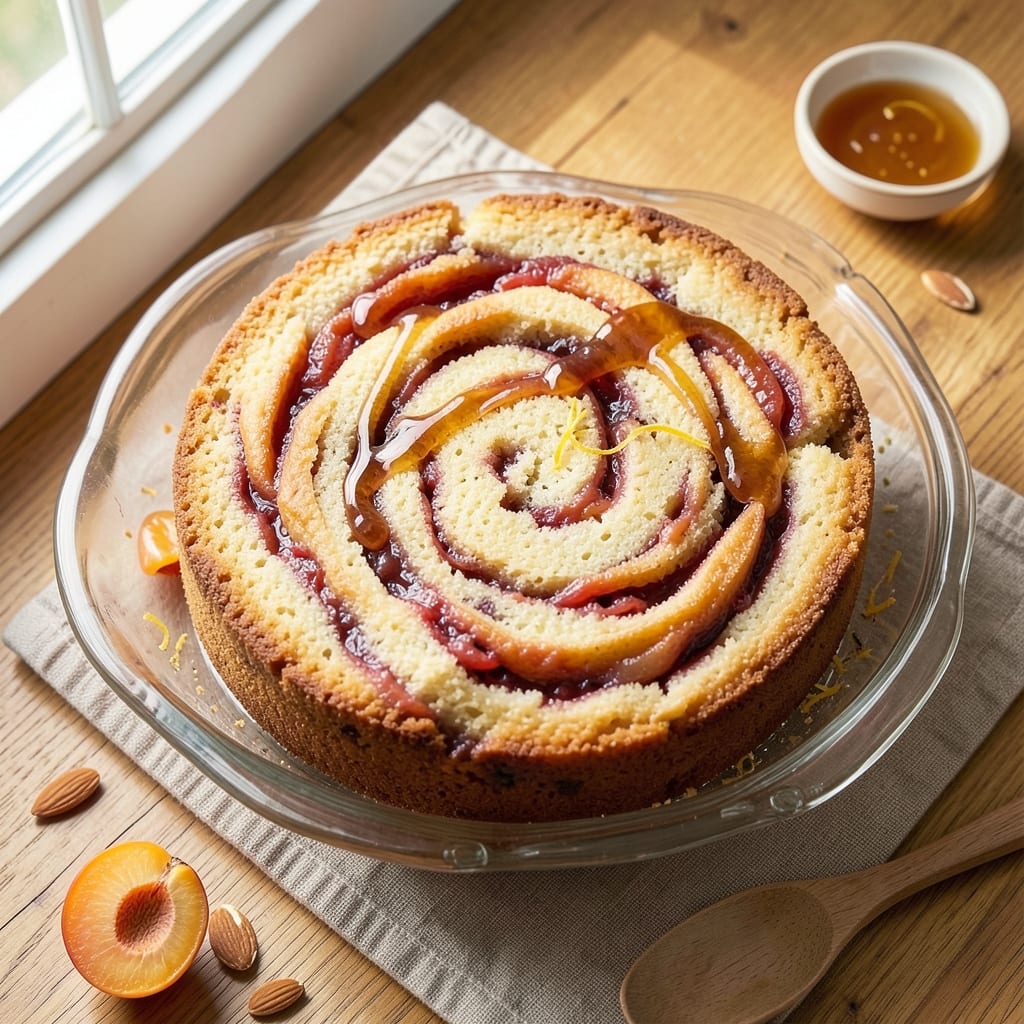
This apricot nectar pound cake delivers a perfect balance of tender crumb, buttery richness, and vibrant fruit swirls that taste like sunshine in every bite. The secret lies in using apricot nectar—not just jam—to infuse the batter with natural sweetness and moisture, while a golden crust seals in all the flavor. I’ve perfected this recipe over years of baking, ensuring it stays moist for days without drying out, making it ideal for special occasions or a simple treat.
The cake’s magic comes from a few key techniques: folding in the nectar at the right moment to maintain texture, swirling in apricot preserves for pockets of fruity surprise, and baking at a precise temperature to achieve that signature buttery crust. Unlike dense fruitcakes, this version stays light and airy, with just enough almond extract to complement the apricot’s natural brightness. It’s the kind of cake that disappears quickly but leaves everyone asking for seconds.
Once baked, the aroma alone will have your kitchen smelling like a bakery, and the contrast of tender cake with the tangy-sweet fruit swirls creates a texture that’s impossible to resist. Serve it warm with a dusting of powdered sugar or chilled with a scoop of vanilla ice cream—either way, it’s a crowd-pleaser that feels both classic and modern. The recipe scales easily, so you can bake it for a gathering or save half for later.
This isn’t just a cake; it’s a celebration of fruit-forward baking with a touch of elegance. Whether you’re a seasoned baker or just starting out, the step-by-step instructions make it approachable, and the result is always impressive. Let’s get started on creating something truly special.
Ingredients for apricot nectar pound cake
Sunshine in a pan—these 11 ingredients create a cake that’s light, fruity, and irresistibly buttery.
| Ingredient | Amount | Notes |
|---|---|---|
| All-Purpose Flour 🌾 | 3 cups | Sifted for light texture |
| Granulated Sugar 🍚 | 2 cups | Superfine preferred for smoothness |
| Apricot Nectar 🍑 | 1 cup | High-quality, not jam |
| Unsalted Butter 🧈 | 1 ½ cups | Cold, cubed for creaming |
| Large Eggs 🥚 | 4 whole | Room temperature for even mixing |
| Almond Extract 🌿 | 1 tsp | Pure, not imitation |
| Baking Powder 🧂 | 1 ½ tsp | Diamond Crystal preferred |
| Salt 🧂 | ½ tsp | Fine sea salt |
| Apricot Preserves 🍑 | 1 ½ cups | Chopped, for swirls |
| Powdered Sugar 🍚 | ½ cup | For dusting |
| Vanilla Ice Cream 🍦 | 2 cups | Optional serving suggestion |
The apricot nectar makes all the difference—look for the thick, syrupy kind at stores like Whole Foods or Trader Joe's. The preserves should be chunky, not smooth, for those pockets of fruit. For the butter, Land O’Lakes or Plugrá work perfectly, but avoid salted. The almond extract? McCormick is reliable, but if you’re feeling fancy, grab a small bottle of pure extract from a specialty shop. The flour matters too—King Arthur or Gold Medal are my go-tos for that tender crumb.
No apricot nectar? Substitute with apricot jam thinned with water—just don’t skip it, the moisture is key. Out of almond extract? Vanilla extract at half the amount works, but you’ll lose that nutty depth. The preserves can be swapped for apricot jam or even peach jam if that’s what you’ve got. For the powdered sugar, Domino is my go-to, but any brand works—just make sure it’s 100% pure. The ice cream is totally optional, but trust me, it’s the perfect pairing.
This cake keeps beautifully—3 days at room temperature wrapped in plastic, or 1 week in the fridge. For longer storage, slice and freeze portions for up to 3 months. I always bake an extra pan—it’s that good. The aroma alone will have your kitchen smelling like a bakery, and the swirls of fruit make it feel special without being fussy. Perfect for gifts, too—just wrap slices in cellophane.
Why You'll Love This Recipe
- No Mixer Needed: I swear by this recipe when my mixer’s on the fritz—just cream butter and sugar by hand, fold in the eggs, and let the apricot nectar do the heavy lifting. The batter’s thick but forgiving, so no stress if it’s not perfectly smooth.
- Sunshine in a Box: That apricot nectar isn’t just flavor—it’s magic. One whiff of the warm, caramelized fruit swirled into the crumb, and suddenly your kitchen smells like a summer picnic. Honestly, the first time I sliced it, my roommate stole half before I even got a fork.
- Weekend or Weeknight: Slice it fresh for brunch with coffee, or bake a second loaf to stash in the freezer for lazy mornings. Between us, I’ve served it at book club (they asked for the recipe) and as a “dessert” for my kids’ after-school snacks—no judgment.
- Budget Baking Wins: Butter and eggs make it feel special, but apricot nectar stretches my grocery budget and adds depth most boxed mixes can’t touch. A single can lasts me three cakes, and the leftovers? Perfect for toast or French toast—no waste, all flavor.
Step-by-step instructions for apricot nectar pound cake
Here's how to create a tender, moist pound cake with vibrant apricot swirls and a golden crust.
Prepare the Apricot Preserves for Swirls
In a small bowl, combine the 1.5 cups of apricot preserves with 1 tablespoon of the apricot nectar. Whisk until smooth and spreadable. This mixture will create those beautiful swirls throughout the cake. If the preserves are too thick, warm them gently in the microwave for 10-15 seconds, stirring between bursts, until they reach a spoonable consistency.
Real talk: the preserves should be thick enough to hold their shape when piped but still flow smoothly. You want swirls that peek through the cake layers, not globs that sink to the bottom. Spread a small amount on a plate and let it sit for a minute - if it holds its shape but still spreads slightly, it's perfect.
Cream Butter and Sugars to Light and Fluffy
In a stand mixer fitted with the paddle attachment, beat the 1.5 cups of cold, cubed unsalted butter with the 2 cups of granulated sugar on medium speed for 3-4 minutes. You're looking for a light, pale yellow mixture that nearly doubles in volume. This creaming process incorporates air, which creates that tender crumb we all love.
I like to scrape down the sides of the bowl with a rubber spatula every minute to ensure even mixing. The butter should be completely creamed - when you lift the paddle, you should see clean ribbons form in the mixture. Don't rush this step; under-creaming leads to dense cake. If the mixture looks too thick after 4 minutes, you can add 1 teaspoon of the apricot nectar to help emulsify it.
Add Eggs and Almond Extract
Add the 4 whole large eggs, one at a time, mixing on low speed after each addition until fully incorporated. Then add the 1 teaspoon of almond extract and mix for another 10 seconds. The mixture might look slightly curdled after adding the eggs, but don't worry - it will come together when we add the dry ingredients.
Here's the thing - room temperature eggs are crucial. If your eggs are cold, warm them slightly by placing the shells in warm water for 5 minutes before cracking. Cold eggs can cause the butter to separate, and we definitely don't want that happening in our pound cake.
Combine Dry Ingredients and Create the Batter
In a separate bowl, whisk together the 3 cups of sifted all-purpose flour, 1.5 teaspoons of baking powder, and 0.5 teaspoon of salt. With the mixer on low speed, gradually add the dry ingredients to the wet mixture, mixing just until combined. Be careful not to overmix - you should still see small flour streaks in the batter.
Once the dry ingredients are incorporated, add the 1 cup of apricot nectar and mix on low speed until just combined. The batter should be thick but pourable. If it's too thick, add 1-2 tablespoons of milk or water to achieve the right consistency. The batter should coat the back of a spoon but still flow smoothly.
Layer and Swirl the Cake
Preheat your oven to 350°F and grease a 10-inch tube pan or bundt pan. Pour half of the batter into the prepared pan. Using a spoon or small spatula, spread the apricot preserve mixture evenly over the batter. Then pour the remaining batter over the preserves and gently swirl with the spoon to create marbled patterns.
Don't over-swirl - you want visible streaks of preserves throughout the cake, not a completely mixed batter. Tap the pan gently on the counter a few times to release any air bubbles that may have formed during mixing. Bake for 50-60 minutes, or until a toothpick inserted into the center comes out clean.
Cool and Serve
Allow the cake to cool in the pan for 15 minutes, then invert it onto a wire rack to cool completely. Once cooled, dust the top with the 0.5 cup of powdered sugar using a fine-mesh sieve. For an extra special touch, serve slices with 2 cups of vanilla ice cream on the side.
The cake will keep well at room temperature for 2-3 days, wrapped in plastic wrap. For best results, store any leftovers in the refrigerator and bring to room temperature before serving. Each slice should be moist, tender, and filled with bursts of apricot flavor from both the nectar and preserves.
Pro Tips For Making Apricot Nectar Pound Cake
- Whisk Eggs Cold: Crack your eggs straight from the fridge into a chilled bowl—this keeps them from cooking the flour before the butter even hits. I learned this the hard way when my first batch turned out dense and bland; the eggs were too warm, and the batter activated too fast.
- Measure Nectar Precisely: Use a kitchen scale for apricot nectar—liquid measuring cups lie. A standard 1/2 cup can actually be 4–6 ounces, and this cake relies on that sweet-tart balance. I now weigh it out; the difference in moisture and flavor is noticeable.
- Don’t Overmix the Batter: Stop folding in the flour as soon as it’s just combined—no streaks, but no gray dough either. Overmixing develops gluten, and this cake should be tender, not chewy. I now count to 12 strokes max after the last flour addition.
- Test for Doneness Early: Check the cake at 45 minutes—even if the recipe says 50–60. The center should spring back slowly when pressed, not bounce like a trampoline. I’ve pulled cakes too late, and they turn gummy; this nectar-heavy batter dries out faster than you’d think.
Common mistakes when making great apricot nectar pound cake
Overmixing the Batter
This is the #1 mistake I see in pound cakes—overmixing develops gluten, making your cake tough instead of tender. Once you've combined the dry ingredients, stop mixing as soon as you see just a few flour streaks remaining. I promise your cake will still be perfectly moist and delicious. 🌾
Skipping Room-Temp Ingredients
Cold eggs and butter can cause your cake to separate or develop a dense texture. Let your eggs sit at room temperature for at least 30 minutes before using, and cut your butter into cubes but keep it cold until creaming. I learned this the hard way—my first attempt with cold eggs resulted in a cake that looked like it had been run over by a truck!
Incorrect Preserve Consistency
Using preserves that are too thick or too thin will ruin your swirls. The mixture should be spreadable but hold its shape when piped. If your preserves are too thick, thin with 1 teaspoon of apricot nectar at a time until you reach the perfect consistency. Too thin? Warm gently in the microwave for 5-10 seconds and stir. This step makes all the difference in those beautiful fruit swirls! 🍑
Underbaking or Overbaking
An underbaked cake will be gummy in the center, while overbaking leads to dryness. Test with a toothpick—it should come out clean but leave behind a few moist crumbs. At 350°F, your cake should bake for 50-60 minutes in a tube pan. If your oven runs hot, reduce the temperature to 325°F and bake for an extra 10 minutes.
Neglecting the Swirl Technique
Pouring both batter layers at once without swirling creates a cake with no fruit pockets. Pour half the batter, spread the preserves, then top with remaining batter and gently swirl with a knife or spoon. The goal is visible streaks, not a completely mixed cake. Think of it like painting with fruit—you want those beautiful patterns to peek through! 🎨
Using Low-Quality Nectar
Not all apricot nectars are created equal. Cheap, watery nectars will make your cake dense and flavorless. Look for thick, syrupy nectars at specialty stores or high-end grocery sections. I recommend Whole Foods or Trader Joe's brands—they're worth the investment for that authentic apricot flavor that makes this cake special.
Nutrition facts
Frequently asked questions
Can I substitute apricot preserves with jam for the swirls?
Yes, but there's a catch! Use chunky apricot jam instead of smooth preserves to create visible fruit pockets. Thin it with 1 teaspoon of apricot nectar or water if needed to reach the right spreadable consistency. The texture difference will be subtle, but the flavor remains delicious.
How do I store leftover pound cake to keep it moist?
Wrap tightly in plastic wrap and store at room temperature for 2-3 days, or refrigerate for up to 1 week. For longer storage, slice and freeze portions for 3 months. Always bring chilled cake to room temperature before serving to restore its tender texture.
What's the best way to serve this cake?
Warm slices make a showstopper with vanilla ice cream or whipped cream, but it's equally delicious chilled. For a fancy touch, dust with powdered sugar or drizzle with warmed apricot glaze. The cake's buttery richness pairs perfectly with black coffee or Earl Grey tea.
Can I make this cake gluten-free?
Replace the all-purpose flour with a 1:1 gluten-free baking flour blend (like Bob's Red Mill). Add 1 teaspoon of xanthan gum to help bind the cake. Keep all other ingredients and techniques the same—just expect slightly denser texture. The flavor remains just as vibrant!
Why did my cake turn out dense instead of tender?
Most likely overmixing or cold ingredients caused this.