
Main Courses
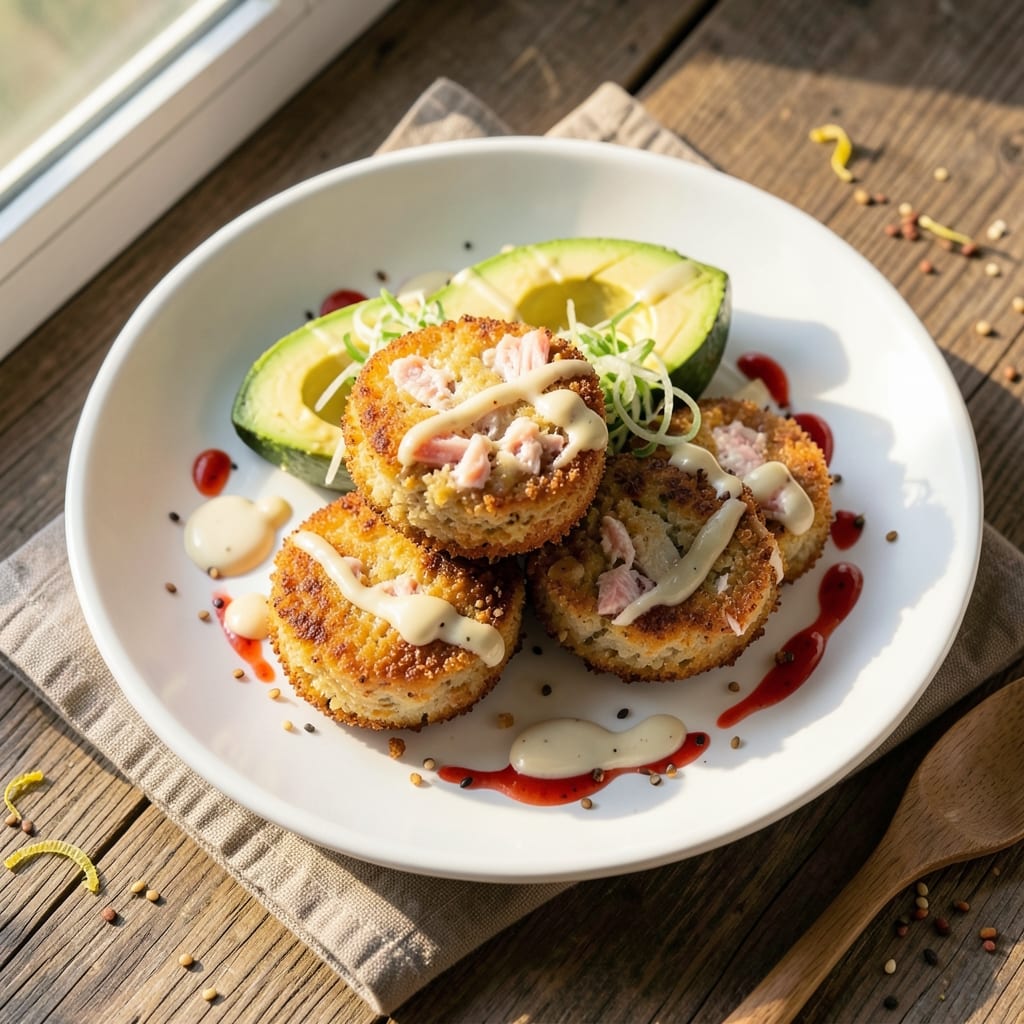
This Asian crab cake recipe delivers crispy edges and umami-packed fillings that will transform your seafood nights. The secret lies in balancing sweet and savory flavors through a blend of soy sauce, ginger, and sesame oil, creating a dish that's both restaurant-worthy and simple to make at home. I've perfected the technique for achieving that signature golden crust while keeping the crab mixture tender inside.
The foundation of these crab cakes starts with high-quality crab meat—either fresh lump or high-grade imitation—bound together with breadcrumbs, egg, and a touch of mayo for moisture. What sets them apart is the flavor infusion: minced garlic, grated ginger, and a splash of rice vinegar brighten the mix, while sesame oil adds depth. The result is a filling that's rich, aromatic, and perfectly balanced.
By pan-frying the cakes until golden brown, you'll achieve that coveted crispy exterior that contrasts beautifully with the tender, flavorful interior. The umami comes through in every bite, thanks to the soy sauce and a hint of chili flakes, while the sesame seeds add a subtle nutty finish. These crab cakes are perfect served with a light slaw or steamed rice, making them a complete meal.
For added authenticity, consider brushing the finished cakes with a quick spicy mayo drizzle or garnishing with sliced scallions. The recipe scales easily for gatherings, and leftovers reheat beautifully in the oven. Here's how to make them perfectly every time.
Ingredients for asian crab cake
High-quality crab, crispy panko, and aromatic sesame oil transform simple ingredients into restaurant-style crab cakes.
| Ingredient | Amount | Notes |
|---|---|---|
| Fresh Lump Crab Meat 🦀 | 1 ½ lb | High-quality, shell-free preferred |
| Panko Breadcrumbs 🍞 | 1 cup | Light and crispy for texture |
| Large Eggs 🥚 | 2 whole | Room temperature for even binding |
| Mayonnaise 🥫 | ¼ cup | Light mayo for moisture balance |
| Fresh Ginger Root 🌿 | 2 tbsp | Finely grated, aromatic base |
| Garlic Cloves 🧄 | 3 cloves | Minced, for umami depth |
| Sesame Oil 🫒 | 1 tbsp | Toasted sesame for nutty aroma |
| Soy Sauce 🍶 | 2 tbsp | Light soy for subtle saltiness |
| Rice Vinegar 🍶 | 1 tbsp | Brightens the crab mixture |
| Chili Flakes 🌶️ | ½ tsp | Optional for subtle heat |
| Sesame Seeds 🌰 | 1 tbsp | Toasted, for garnish |
| Vegetable Oil 🫒 | ½ cup | High smoke point for frying |
| Salt 🧂 | ½ tsp | Kosher or sea salt |
| Black Pepper 🌶️ | ¼ tsp | Freshly ground for warmth |
| Scallions 🧅 | 2 whole | Thinly sliced, for garnish |
The crab meat is the star—fresh lump or high-grade imitation makes all the difference. Costco or Whole Foods carry reliable brands like Snow Crab or Alaskan King Crab. If using imitation, check for minimal fillers like egg whites. Panko is non-negotiable here; its light texture creates that signature crispy crust. For the sesame oil, Kadoya or La Choy are reliable brands, but any toasted sesame oil works. The ginger should be fresh and vibrant—no powdered substitutes—and the garlic should be minced finely for even distribution.
No fresh ginger? Powdered ginger at half the amount works in a pinch, though it lacks the bright punch. Short on panko? Crushed cornflakes or matzo meal add crunch, but texture will differ. The mayo can be swapped for Greek yogurt or vegan mayo if preferred, though texture may be slightly denser. For extra umami, add 1 tsp fish sauce to the mix. The chili flakes are optional but recommended—they add subtle heat that balances the richness. If you're feeling adventurous, swap the soy sauce for dark soy sauce for deeper color, though flavor will shift slightly.
Store the crab mixture in an airtight container in the fridge for up to 2 days before frying. For best results, fry the cakes immediately, but they can be shaped and refrigerated for 1 day before cooking. Leftovers reheat beautifully in a 350°F oven for 10 minutes—just cover with foil to prevent drying. The crispy coating softens slightly when reheated, so enjoy them fresh for maximum texture. Garnish with sesame seeds and scallions just before serving to keep them vibrant.
Why You'll Love This Recipe
- No-Fuss Assembly: I swear by this recipe because it’s literally just mixing, shaping, and frying—no rolling, no intricate layering. The panko and mayo bind everything together while you’re still chopping the ginger, so cleanup is just a spatula scrape and a quick wipe.
- Ginger-Mayo Magic: That bright, zesty ginger cuts through the richness of the crab and mayo, while the panko gives it a satisfying crunch that disappears into flaky perfection. Honestly, the first bite makes me question why I ever bought pre-made crab cakes.
- Weeknight or Party Star: These work just as well for a lazy Tuesday dinner as they do for a last-minute appetizer spread. Pan-fry a batch ahead, reheat in the oven, and boom—elevated bites without the fuss. My book club now expects them at every meeting.
- Leftovers That Don’t Suffer: Unlike so many fried things, these actually improve the next day—crispier edges, flavors melded deeper. I make a double batch, freeze half, and pull them out for lazy lunches or game-day snacks. Zero waste, all win.
Step-by-step instructions for Asian crab cakes
Here's how to create golden, crispy crab cakes with a perfectly balanced umami filling.
Prepare the Crab Filling
In a large mixing bowl, combine the 1.5 lb fresh lump crab meat with the 0.25 cup mayonnaise, 2 tbsp finely grated fresh ginger root, 3 minced garlic cloves, 2 tbsp soy sauce, and 1 tbsp rice vinegar. The mixture should look moist but not soupy—if it's too dry, add 1 teaspoon water to help bind everything.
Gently fold in the 0.5 tsp salt and 0.25 tsp freshly ground black pepper, then stir in the 0.5 tsp chili flakes for subtle heat. The filling should be cohesive but still hold its texture—this ensures each bite stays tender while delivering bold Asian-inspired flavor. Set aside while you prepare the breading.
Create the Breading
In a separate bowl, whisk together the 1 cup panko breadcrumbs with the 1 tbsp toasted sesame oil and 1 tbsp sesame seeds. The panko should look evenly coated with oil, which helps create that signature crispy exterior. If you want extra crunch, lightly toast the panko in a dry skillet over medium heat for 1-2 minutes, stirring constantly, until it turns a deeper golden color.
Crack the 2 whole large eggs into a third bowl and whisk vigorously until the yolks and whites are fully combined. The eggs will help bind the crab mixture while adding moisture to prevent dryness during frying.
Assemble and Chill the Crab Cakes
Using a cookie scoop or your hands, portion the crab filling into 4 equal portions (about 4 ounces each) and shape them into ½-inch thick patties. Place each patty between two sheets of plastic wrap and gently flatten to an even thickness—this ensures even cooking and crisping.
Dip each patty into the beaten eggs, letting excess drip off, then roll in the panko mixture, pressing gently to adhere. Place the breaded crab cakes on a plate and refrigerate for at least 30 minutes (up to 2 hours). This chilling step is crucial—it firms up the crab meat, prevents crumbling during frying, and helps the breading stick better.
Fry to Golden Perfection
Heat the 0.5 cup vegetable oil in a large skillet over medium heat until it reaches 350°F—the oil should be hot enough to sizzle gently when a breaded crab cake touches it. Working in batches to avoid overcrowding, carefully place 2 crab cakes in the skillet and fry for 3-4 minutes per side, until they turn a deep golden brown and the edges are crispy.
Use a slotted spatula to transfer the fried crab cakes to a paper towel-lined plate to drain excess oil. The internal temperature should reach 145°F when checked with a meat thermometer. If the oil isn't hot enough, the crab cakes will absorb oil instead of crisping—watch for that telltale sizzle to know it's ready.
Serve Immediately
Top each crab cake with thinly sliced scallions and serve while still hot. The contrast of crispy, golden edges with tender, flavorful crab filling makes every bite satisfying. For extra brightness, drizzle with a sesame-ginger aioli or serve with a side of spicy mayo. These crab cakes are best enjoyed fresh—waiting too long risks losing that perfect crunch.
Pro Tips For Making Asian Crab Cake
- CHILL THE CRAB FIRST: Fresh lump crab meat releases water when mixed—skip the soggy mess by patting it very dry with paper towels, then refrigerating it uncovered for 20 minutes. This isn’t just about moisture; it’s about getting that meat to hold its shape when you form the cakes. (Yes, I know you’re eager, but trust the process.)
- GRATE GINGER FINE: Skip the food processor for ginger—it turns to paste. Use a microplane or the smallest holes of a box grater, then squeeze out excess liquid with your hands. Too much moisture from the ginger will make your panko turn to glue. I learned this the hard way after my first batch dissolved into a sad, sticky pancake.
- PRESS THE PANKO: Don’t just sprinkle panko on top—press it firmly into the sides of your pan before cooking. This creates a crust that actually sticks, instead of floating off like confetti. Use the back of a spoon or your palm; it takes 10 seconds and makes all the difference in texture.
- COOK IN BATCHES: Crowding the pan steams your crab cakes instead of searing them. Work in single layers, even if it means two rounds in the pan. The first batch will thank you with a golden crust, not a sad, limp center. (And yes, even if you’re impatient like me.)
Troubleshooting perfect results
Crumbly Crab Mixture
If your crab cakes fall apart during frying, the issue is likely overmixing the filling or using low-quality crab. Gently fold the ingredients just until combined—overworking releases crab juices that weaken the structure. For extra stability, add 1 tbsp cornstarch to the mixture or use fresh crab meat with minimal fillers (look for brands like Snow Crab or Alaskan King Crab). Chill the mixture for 30 minutes before shaping to firm up the proteins. 🦀
Soggy Breading
Damp breading happens when the oil isn't hot enough or the crab cakes are overcrowded in the pan. Maintain oil at 350°F—test with a breadcrumb: if it sizzles immediately, you're ready. Fry 2 cakes at a time to avoid temperature drops. For extra insurance, pat the breaded cakes dry with a paper towel before frying. I also recommend using panko (not regular breadcrumbs) for better moisture resistance. 🍞
Uneven Cooking
Uneven color or doneness means your cakes aren't uniform in thickness. Press each patty between plastic wrap to achieve ½-inch thickness consistently. For extra insurance, use a kitchen scale to portion 4-ounce cakes (about 113g each). If one side browns faster, reduce heat slightly or flip more frequently. A meat thermometer ensures accuracy—aim for 145°F internal temp. 🌡️
Oily Cakes
Oily crab cakes result from oil that's too cool or cakes that absorb excess fat. Keep oil between 350-375°F—if it's too hot, the exterior burns before the interior cooks. Use a deep skillet with sloped sides (like a cast iron) for better heat distribution. For extra crispiness without oiliness, try baking at 400°F for 12-15 minutes on a wire rack over a baking sheet. 🔥
Flavor Imbalance
If the umami isn't strong enough, boost the soy sauce to 3 tbsp or add 1 tsp fish sauce for depth. For brightness, increase the rice vinegar to 1.5 tbsp. The ginger and garlic should be freshly minced—pre-grated spices lose potency. For a smokier profile, add ½ tsp smoked paprika to the breading. Taste as you mix and adjust gradually. 🌶️
Reheating Disasters
Crab cakes lose crispiness when reheated improperly. For best results, reheat in a 350°F oven for 10 minutes covered with foil to retain moisture, then uncover for the last 2 minutes to restore some crunch. Avoid microwaving—it turns breading soggy. For extra insurance, broil for 1-2 minutes at the end to crisp the exterior. 💫
Nutrition facts
Frequently asked questions
Can I use imitation crab meat instead of fresh?
Yes! For this recipe, choose high-quality imitation crab with minimal fillers like egg whites. Brands like Kani or Surimi work well when drained completely to remove excess moisture. For extra flavor, add 1 tsp fish sauce to compensate for the milder taste. Just be sure to drain it thoroughly before mixing—this prevents soggy crab cakes.
How do I make these crab cakes gluten-free?
Replace panko with crushed gluten-free cornflakes or gluten-free breadcrumbs (like Bob's Red Mill). For binding, use 1 tbsp gluten-free flour or cornstarch mixed with the crab filling. The texture will be slightly different but still delicious. Always check labels to avoid hidden gluten in seasonings too!
What's the best way to store leftovers?
Store cooked crab cakes in an airtight container in the fridge for up to 2 days. To reheat, warm in a 350°F oven for 10 minutes covered with foil, then uncover for the last 2 minutes to restore crispiness. For freezing, place cooled cakes on a tray, freeze solid, then transfer to a bag for up to 1 month. Thaw overnight in the fridge before reheating.
Can I bake these instead of frying?
Preheat oven to 400°F and place crab cakes on a wire rack over a baking sheet. Bake for 12-15 minutes until golden and internal temp reaches 145°F. For extra crispiness, brush with a little oil before baking. The texture will be slightly less crisp than fried, but still delicious—great for a healthier option!
What sides pair best with these Asian crab cakes?
Try a cooling cucumber salad with rice vinegar and sesame seeds, or steamed jasmine rice with a drizzle of soy sauce. For a heartier meal, serve with miso soup or stir-fried greens. The crispy crab cakes also shine with a spicy mayo dipping sauce—mix mayo with sriracha, lime juice, and chopped scallions!