
Desserts
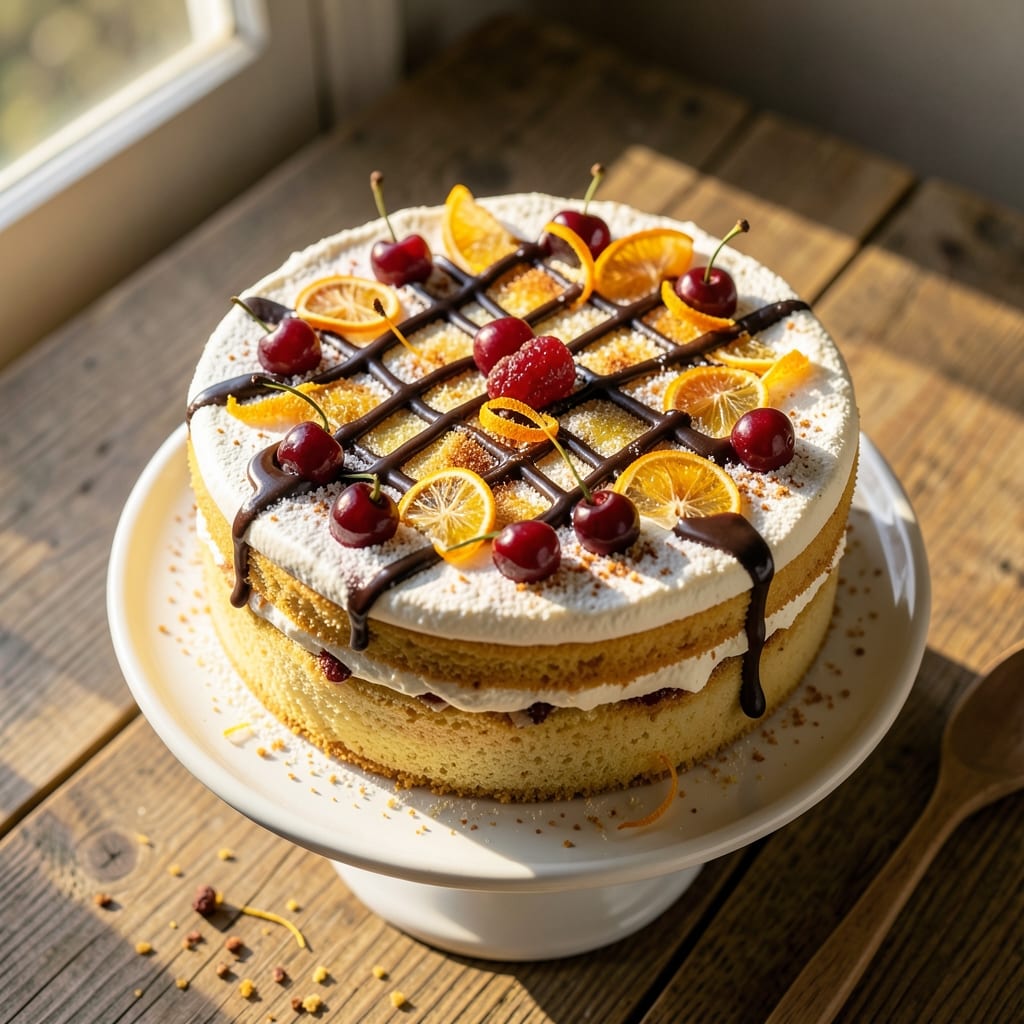
This authentic Italian cassata cake recipe brings the rich traditions of Sicilian pastry-making to your kitchen with precise layers of sponge cake, creamy ricotta filling, and candied fruit. The key to achieving that signature balance of textures and flavors lies in patience—allowing each component to set properly before assembly. I’ve perfected this recipe over years of baking, ensuring every slice delivers the perfect harmony of sweetness and citrusy brightness.
The foundation begins with a delicate sponge cake, baked just until tender, followed by a luscious ricotta filling infused with vanilla and citrus zest. Between the layers, candied fruit adds bursts of color and texture, while the marzipan coating gives it that iconic, velvety finish. Traditional methods like slow-chilled ricotta and meticulous fruit placement are essential for authentic results, though modern shortcuts (like reduced-sugar marzipan) can adapt it for dietary needs.
What makes this recipe stand out is the attention to detail—each layer must be perfectly set before adding the next, and the chilling process is non-negotiable for structure. By the time you’re done, you’ll have a showstopping dessert with crisp edges, creamy centers, and a glossy marzipan exterior that’s impossible to resist. The aroma alone will transport you to the streets of Palermo.
Whether you’re baking for a special occasion or simply indulging in a classic, this cassata cake is worth every effort. The process may require time, but the reward is a dessert that feels like a celebration in every bite. Let’s get started on creating your own piece of Sicilian tradition.
Ingredients for authentic italian cassata cake
Sponge layers, creamy ricotta, and citrus bursts—here’s what makes this Sicilian classic shine.
| Ingredient | Amount | Notes |
|---|---|---|
| All-Purpose Flour 🌾 | 2 ½ cups | Sifted for light texture |
| Unsalted Butter 🧈 | 1 cup | Room temperature, European preferred |
| Granulated Sugar 🍚 | 2 cups | Superfine for smoothness |
| Large Eggs 🥚 | 6 whole | Room temperature, separated |
| Whole Milk 🥛 | ½ cup | Warm for sponge |
| Vanilla Extract 🌿 | 1 tbsp | Pure Madagascar preferred |
| Baking Powder 🧂 | 1 tsp | Aluminum-free for tender crumb |
| Salt 🧂 | ¼ tsp | Fine sea salt |
| Whole-Milk Ricotta Cheese 🧀 | 2 lbs | Strained overnight for smoothness |
| Powdered Sugar 🍚 | 2 cups | For ricotta filling |
| Lemon Zest 🍋 | 1 tbsp | Fresh, organic preferred |
| Orange Zest 🍊 | 1 tbsp | Blood orange for depth |
| Candied Citrus Peel 🍊 | 1 ½ cups | Homemade or quality store-bought |
| Marzipan 🥜 | 1 ½ lbs | Almond-based, reduced-sugar |
| Dark Chocolate 🍫 | 6 oz | 70% cacao for coating |
The ricotta is non-negotiable here. Whole-milk ricotta from Trader Joe's or local Italian markets gives the best texture—none of that watery stuff. Strain it overnight for a silky finish, or use the whole-fat version for richness. For the sponge, European-style butter (like Plugrá) adds flavor, but regular unsalted works too. Candied fruit? Homemade is ideal, but the pre-made kind from Eataly or specialty stores cuts prep time dramatically. The marzipan should be almond-forward—check labels for almond content over 50% for that authentic taste.
No ricotta? Cottage cheese blended smooth works in a pinch, though texture won’t be identical. Short on citrus zest? Substitute with 1 tsp each of bottled lemon/orange zest, but fresh is worth the squeeze. The sponge can handle gluten-free flour at 1:1 ratio if needed, though texture will be denser. For the chocolate coating, 70% cacao is traditional, but 60% is more approachable. Pro tip: toast the almonds in the marzipan for 5 minutes at 350°F to deepen their flavor—trust me, it’s a game-changer.
Ricotta keeps 5 days in the fridge, marzipan lasts 3 months wrapped tightly. The sponge freezes beautifully—wrap tightly in plastic for up to 2 months. Assemble the cake the day you serve it; the flavors meld overnight in the fridge. Slice with a hot knife for clean cuts—dip it in hot water between slices. Leftovers? Store in an airtight container for 3 days—though they rarely last that long.
Why You'll Love This Recipe
- No-Fuss Layers: I swear by this recipe because it’s all about the process—whisk eggs and butter until they’re pale yellow, fold in flour like you’re tucking in a blanket, then bake. The sponge comes together faster than you’d think, and no one’s judging if your hands get a workout from mixing.
- Creamy-Sweet Magic: That first bite? The sponge soaks up the ricotta-sugar filling until it’s dangerously moist, but the candied fruit peeking through? It’s the little rebellion that makes this cake feel like a celebration. Honestly, the balance of buttery sponge and citrusy fruit is what keeps me coming back.
- Party in a Box: Between us, this is my go-to for birthdays, holidays, or when I just want to impress someone without slaving away. Slice it, serve it, and watch people forget it’s “just dessert.” (Yes, even on a Tuesday night.)
Step-by-step instructions for authentic Italian cassata cake
Let's create this classic Sicilian dessert layer by layer—just like they do in Palermo.
Prepare the Sponge Cake Layers
Preheat your oven to 350°F and grease three 8-inch round cake pans with butter. Sift together the 2.5 cups all-purpose flour, 1 teaspoon baking powder, and ¼ teaspoon salt in a bowl. Set aside.
In a separate large bowl, beat the 1 cup unsalted butter and 2 cups granulated sugar on medium speed until light and fluffy—about 3-4 minutes. Add the 6 whole large eggs, one at a time, beating well after each addition. Mix in the 1 tablespoon vanilla extract and ½ cup warm whole milk until fully combined.
Gradually add the dry ingredients to the wet mixture, mixing on low speed just until combined. Divide the batter evenly among the prepared pans. Bake for 25-30 minutes, or until a toothpick inserted into the center comes out clean. Let the layers cool in the pans for 10 minutes, then transfer to a wire rack to cool completely.
Make the Sicilian Ricotta Filling
In a large mixing bowl, combine the 2 pounds whole-milk ricotta cheese and 2 cups powdered sugar. Use a hand mixer to beat until smooth and fully incorporated—this should take about 2-3 minutes. Fold in the 1 tablespoon lemon zest, 1 tablespoon orange zest, and 1.5 cups candied citrus peel, mixing gently to distribute evenly.
This filling is the heart of cassata—don't rush the mixing. The ricotta should be completely smooth, with no lumps, and the citrus zest should be evenly distributed. Cover and refrigerate while you prepare the marzipan layer.
Assemble the Marzipan Layer
Roll out the 1.5 pounds marzipan on a lightly floured surface to form a ¼-inch thick sheet, about 12x10 inches. Place this sheet on top of one of the cooled sponge cake layers, pressing gently to adhere. Repeat with the remaining two cake layers, creating a stack with marzipan between each.
Spread the ricotta filling evenly over the top of the marzipan layer, creating a smooth surface. The filling should cover the entire top, extending slightly over the edges. Press down gently to ensure good contact between layers.
Create the Chocolate Coating
Melt the 6 ounces dark chocolate in a double boiler or microwave, stirring until completely smooth. Pour the melted chocolate over the ricotta filling, spreading it evenly with a spatula to create a thin, even layer. Use a fork to create a decorative pattern on the top surface.
Chill the assembled cake in the refrigerator for at least 4 hours, or preferably overnight. This allows all the layers to set properly and develop the signature texture. The chocolate will harden, creating a beautiful contrast with the creamy ricotta filling.
Serve with Authentic Presentation
Once fully chilled, slice the cassata into 8 even pieces using a sharp serrated knife. The cake should reveal distinct layers of sponge, marzipan, and ricotta filling with candied citrus peels peeking through. Serve at room temperature for the best texture and flavor experience.
This authentic cassata captures the essence of Sicilian dessert tradition—rich, creamy, and bursting with citrus flavor. The marzipan layer adds a delicate almond sweetness that balances the dense ricotta filling, while the chocolate coating provides a sophisticated finish. Enjoy with a cup of espresso for the perfect Italian dessert experience.
Pro Tips For Making Authentic Italian Cassata Cake
- Whisk Eggs Like a Pro: Separate yolks and whites, then whip whites to stiff peaks before adding sugar—this keeps the sponge light. I learned this the hard way when my first batch collapsed like a sad soufflé. For the yolks, temper them with warm milk to avoid scrambling them.
- Butter Should Be Cool: Take your butter out of the fridge 30 minutes before creaming—it should be soft but not greasy. Room-temperature butter blends better with sugar and eggs, but if it’s too soft, the batter will be dense. (Yes, even if you’re impatient like me.)
- Don’t Overmix the Batter: Fold dry ingredients into the wet just until combined—overmixing develops gluten, and your cassata will turn out tough instead of tender. Stop when there are no more flour streaks, then stop again. Trust me, your future self will thank you.
- Chill the Pan First: Grease your springform pan with butter, then dust with flour and chill it in the fridge for 10 minutes before baking. This prevents the sponge from sticking to the sides and ensures even rising. (Your grandmother wasn’t wrong about this one.)
Serving suggestions for authentic italian cassata cake
Espresso Pairing
Cassata pairs beautifully with a strong Italian espresso—the bitterness cuts through the richness of the ricotta and marzipan. I recommend a double shot of freshly brewed espresso from a La Marzocco Linea Mini or Rancilio Silvia machine for that authentic barista quality. For a sweeter touch, add a splash of amaretto liqueur to your espresso—just ½ teaspoon per cup enhances the almond notes in the marzipan. 💛
Seasonal Fruit Garnish
Brighten your presentation with fresh seasonal fruit on the side. In summer, blood orange slices and strawberries complement the candied citrus inside. For winter, dark chocolate-dipped figs or candied pomegranate seeds add a festive touch. Arrange fruit in a glass bowl with a gold leaf sprinkle for an elegant finish—this takes just 5 minutes but elevates the dish dramatically.
Warm Amaretti Cookies
Serve cassata with warm amaretti cookies for a textural contrast. I like to lightly toast 12 amaretti on a baking sheet at 325°F for 3-4 minutes until fragrant. Their almond flavor mirrors the marzipan, while the slight crunch balances the cake’s creaminess. Store-bought cookies work, but homemade (from almond flour, sugar, and Marsala wine) taste even better. 🍪
Citrus-Infused Syrup
Drizzle over slices with a lemon-orange syrup made by simmering ½ cup water, ½ cup sugar, and zest of 1 lemon + 1 orange for 10 minutes. Strain and cool before serving. This adds a bright, refreshing contrast to the rich dessert. Keep it in a small glass cruet on the table for guests to drizzle as they like.
Creamy Mascarpone Dip
For a decadent touch, serve with a mascarpone dip—whip ½ cup mascarpone, 1 tablespoon powdered sugar, and 1 teaspoon vanilla until smooth. Spoon it into a small bowl alongside the cake. The tangy creaminess pairs perfectly with the sweet layers, and it’s easier to make than you’d think—just 2 minutes with a hand mixer. 🥄
Presentation Platter
Slice the cassata into 8 even wedges and arrange on a large marble slab or gold-rimmed platter. Dust with powdered sugar using a fine-mesh sieve for a snowy effect. Add edible gold leaf or candied violets for a luxurious finish. Serve with small silver spoons for scooping the ricotta filling—this makes it feel like a restaurant-worthy dessert without the fuss. 💫
Nutrition facts
Frequently asked questions
Why does traditional cassata have marzipan between the layers?
The marzipan layer creates a delicate barrier that prevents the sponge from absorbing too much moisture from the ricotta filling. This keeps the cake structure crisp while maintaining that signature creamy texture. It also adds a subtle almond flavor that complements the citrus notes in the ricotta.
Can I make cassata without candied fruit?
Yes, but you'll lose the authentic Sicilian texture and visual appeal. For a substitute, try dried apricots or figs (chopped small) or candied ginger for a different flavor profile. Just reduce the ricotta filling slightly to maintain balance.
How do I fix cracks in my marzipan layer?
Cracks usually happen when the marzipan isn't rolled evenly or the cake isn't chilled properly. Warm your hands slightly and press the marzipan gently into place. For a quick fix, cover cracks with extra melted chocolate or a thin layer of whipped mascarpone. Always chill the cake for at least 4 hours before slicing.
Is there a gluten-free version of this recipe?
Yes! Replace the all-purpose flour with a 1:1 gluten-free baking flour blend** (like Bob's Red Mill) and add 1 extra tablespoon of xanthan gum. The texture will be slightly denser, but the flavor remains authentic. For the marzipan, ensure it's certified gluten-free (some contain wheat flour).
Why does my ricotta filling taste watery?
Watery ricotta usually means it wasn't strained long enough or was too cold when mixed. Always strain whole-milk ricotta overnight in a cheesecloth-lined colander. For a smoother texture, warm it slightly (to 70°F) before mixing with powdered sugar. If it's still too thin, add 1 extra tablespoon of powdered sugar to thicken it.