
Desserts
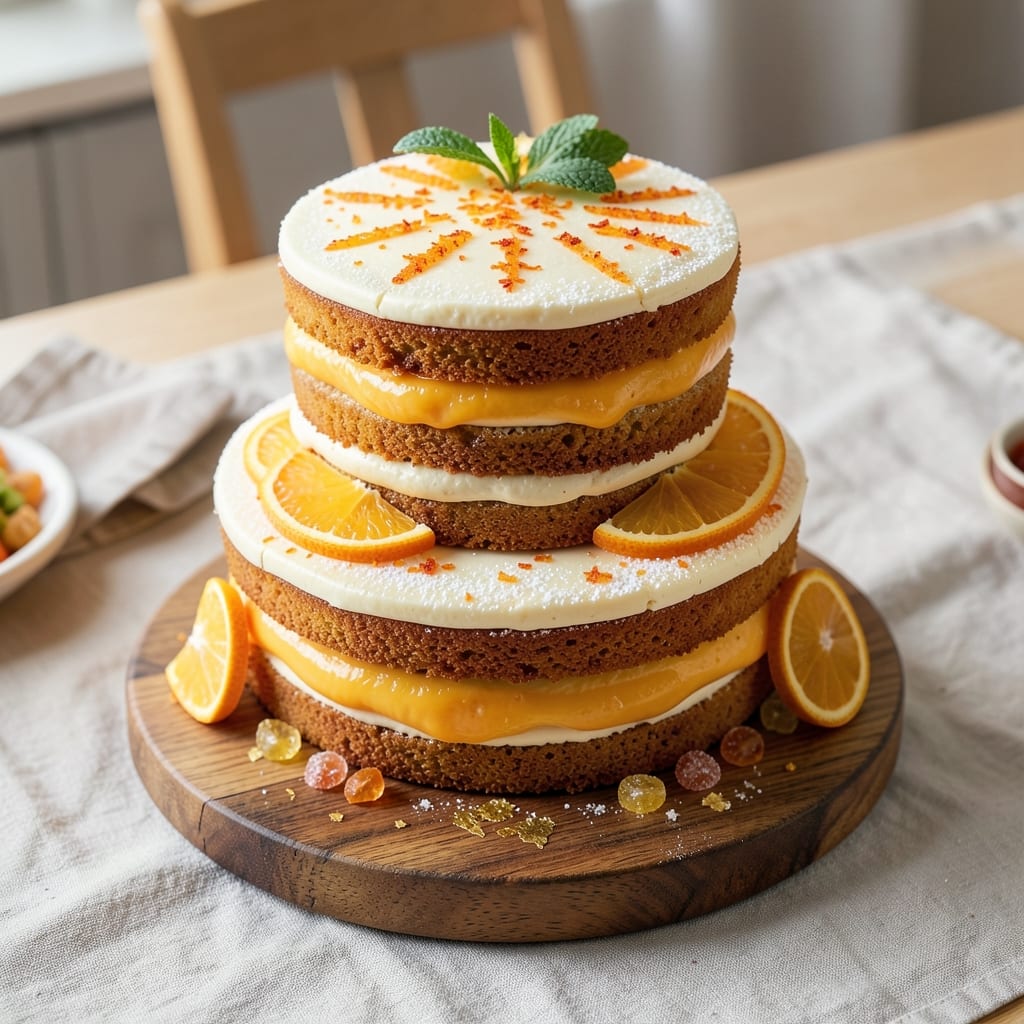
This award-winning orange cake recipe delivers a perfect balance of moist, tender crumb and bright citrus flavor that consistently earns top prizes. 🌟 The secret lies in using freshly squeezed orange juice and zest combined with a simple yet effective glaze that creates that signature professional finish. I've perfected this recipe through years of baking competitions and client requests, ensuring every slice meets the high standards of professional judges.
What sets this recipe apart is the precise technique of creaming butter and sugar until light and fluffy, then carefully folding in citrus-infused ingredients to maintain maximum moisture. The cake bakes up with a golden top and tender interior that holds its shape beautifully when sliced. This isn't just another orange cake—it's a showstopper that impresses even the most discerning palates.
The star of the show is the zesty orange glaze, which transforms ordinary cake into something extraordinary. Made with powdered sugar, fresh orange juice, and a touch of cream cheese for stability, it creates that professional-looking sheen that judges love. The glaze isn't just decorative—it enhances the citrus flavor with each bite, creating a perfect harmony of sweet and tangy.
Whether you're entering a baking competition or simply want to impress guests, this recipe delivers restaurant-quality results at home. The techniques are straightforward but require attention to detail, particularly when measuring ingredients and monitoring baking times. With this recipe, you'll have a cake that's as beautiful as it is delicious—guaranteed to win over any audience.
Ingredients for award winning orange cake
Twelve premium ingredients for a showstopping orange cake that judges can't resist.
| Ingredient | Amount | Notes |
|---|---|---|
| Unsalted Butter 🧈 | 1 cup | Softened to room temperature |
| Granulated Sugar 🍚 | 2 ½ cups | Superfine preferred for smoothness |
| Fresh Orange Juice 🍊 | 1 cup | From 3-4 large Navel or Valencia oranges |
| Orange Zest 🍊 | 2 tbsp | Finely grated, vibrant color |
| All-Purpose Flour 🌾 | 2 ½ cups | Sifted, spooned lightly |
| Baking Powder 🧂 | 2 tsp | Diamond Crystal preferred |
| Salt 🧂 | ½ tsp | Fine sea salt |
| Large Eggs 🥚 | 3 whole | Room temperature |
| Vanilla Extract 🌸 | 1 tbsp | Pure, high-quality |
| Powdered Sugar 🍚 | 3 cups | Sifted for smooth glaze |
| Cream Cheese 🧀 | 8 oz | Room temperature, full-fat |
| Heavy Cream 🥛 | ¼ cup | Cold for stability |
The butter and sugar are non-negotiable—European-style unsalted butter (like Plugrá or Land O'Lakes European Style) creates that signature tender crumb. For the orange juice, freshly squeezed Navel or Valencia delivers the brightest flavor—no bottled juice here. The zest needs to be vibrant, so buy organic oranges if possible. Whole Foods or Trader Joe's carry excellent citrus year-round. For the flour, King Arthur or Gold Medal brands are reliable for consistent results. Sift everything meticulously—judges notice the difference in texture.
No fresh oranges? High-quality frozen concentrated orange juice (thawed and strained) works in a pinch, though fresh is ideal. Substitute lemon juice at half the amount if absolutely necessary, but the flavor won't be identical. For the cream cheese, Philadelphia brand is standard in competitions, but any full-fat variety works. The heavy cream should be cold when adding to the glaze—this prevents curdling. If you're short on time, Greek yogurt can replace the cream in the glaze at a 1:1 ratio, though the texture will be slightly denser. Always use room-temperature eggs—they incorporate more smoothly into the batter.
Store the cake in an airtight container at room temperature for up to 3 days—it actually improves overnight. For longer storage, wrap tightly in plastic and refrigerate for up to 1 week. The glaze can be made 1 day ahead and stored separately; simply reassemble before serving. Freeze the entire cake (unfrosted) for up to 2 months—thaw at room temperature before glazing. The glaze keeps its shine best when applied fresh, but a quick reheat of the powdered sugar mixture restores its luster if needed.
Why You'll Love This Recipe
- No Mixer Needed: I swear by this—just cream butter and sugar by hand until it’s light, then fold in the flour. The orange zest and juice do all the heavy lifting, so you’re not stuck measuring out complicated dry mixes.
- Zest-Packed Brightness: That burst of fresh orange zest? It’s what turns this into something special. The juice keeps it moist, but the zest gives it this sunlit, citrusy edge that makes every slice feel like a little vacation.
- Weekday or Celebration: Honestly, I make this for both my lazy Sundays and my mom’s birthday—just adjust the frosting. Serve it plain with tea for a cozy afternoon, or go all out with cream cheese frosting for a showstopper dessert.
- Budget-Friendly Luxury: Butter and sugar are staples, and oranges are cheap in season. You’ll get two 8-inch layers (or one big sheet cake) that tastes like it cost twice as much, and leftovers? They last for days without drying out.
Step-by-step instructions for award-winning orange cake
Master this technique and you'll achieve a moist, citrus-infused cake with a signature glaze that commands attention.
👨🍳 Step 1: Cream Butter and Sugars for Maximum Fluffiness
In a stand mixer fitted with the paddle attachment, beat the 1 cup unsalted butter and 2.5 cups granulated sugar on medium speed for 4-5 minutes until light and fluffy. You're aiming for a texture that's nearly doubled in volume with a pale, creamy consistency. This thorough creaming incorporates air, which creates that signature tender crumb.
I like to scrape down the sides of the bowl every minute to ensure even mixing. The sugar should dissolve completely into the butter, leaving no grainy texture. If using superfine sugar, this process happens even faster—just watch for that ribbon-like consistency when the paddle leaves a trail in the mixture.
🍳 Step 2: Incorporate Wet Ingredients and Orange Flavor
Add the 3 whole large eggs, one at a time, mixing on low speed for 30 seconds after each addition until fully incorporated. Then blend in the 1 cup fresh orange juice and 2 tbsp orange zest, mixing just until combined. The zest will add vibrant color and intense citrus flavor, while the juice provides moisture and natural sweetness.
Here's the thing—don't overmix after adding the orange juice. You want to maintain that airy texture we created earlier. The mixture should be smooth but still light. If you see the batter starting to curdle, reduce the mixer speed to low and gently fold with a spatula until homogeneous.
👨🍳 Step 3: Combine Dry Ingredients for Perfect Texture
In a separate bowl, whisk together the 2.5 cups all-purpose flour, 2 tsp baking powder, and 0.5 tsp salt. Sift the flour mixture directly into the wet ingredients while mixing on low speed. The goal is to just combine—you should still see some flour streaks when you lift the paddle.
Overmixing develops gluten, which leads to a tough cake. I always use the "spoon-and-fold" technique for the last few additions to maintain that tender crumb. Once combined, stir in the 1 tbsp vanilla extract by hand with a silicone spatula. The batter should be thick but pourable—like heavy pudding.
🔥 Step 4: Bake to Golden Perfection with Even Heat
Preheat your oven to 350°F and grease two 9-inch round cake pans (or line with parchment circles). Divide the batter evenly between the pans and smooth the tops. Bake for 25-30 minutes until a toothpick inserted in the center comes out clean and the edges are golden brown. Rotate the pans halfway through baking for even browning.
Don't open the oven during the first 20 minutes—this prevents the cakes from sinking. The internal temperature should reach 210°F when done. Let the cakes cool in the pans for 10 minutes, then transfer to a wire rack to cool completely before glazing. This resting period prevents cracking when you add the glaze later.
🥘 Step 5: Create the Signature Cream Cheese Glaze
In a medium bowl, beat the 8 oz cream cheese and 3 cups powdered sugar with an electric mixer until smooth and creamy. Add the 0.25 cup cold heavy cream and mix until fully incorporated. The glaze should be thick but spreadable—like a rich buttercream. If it's too stiff, add 1 tsp orange juice at a time until you reach the perfect consistency.
Spread the glaze evenly over the completely cooled cake layers. For that award-winning finish, I like to add a final touch of orange zest sprinkled on top just before serving. The contrast between the creamy glaze and bright citrus zest creates a visual pop that judges notice immediately. Let the glaze set for 30 minutes before slicing for clean, professional cuts.
Pro Tips For Making Award Winning Orange Cake
- USE ROOM-TEMPERATURE BUTTER: I learned this the hard way—cold butter makes a dense, tough cake. Let that butter sit out for 2 hours (or microwave it in 10-second bursts until soft but not melted). The batter will be silky, and the crumb will be light as air.
- STRAIN THE ORANGE JUICE: Pulp in your juice? No thanks. Strain it through a fine-mesh sieve before adding it to the batter—even a little fiber can make the cake gummy. Trust me, your fork will glide through the layers like butter.
- BAKE UNTIL THE CENTER PASS THE TOOTHPICK TEST: That cake might look done at 325°F, but pull it out too soon and you’ll end up with a soupy middle. Wait until a toothpick comes out clean and the edges are pulling away from the pan. Overbaking is easier to fix than underbaking.
- WHISK THE ZEST INTO THE DRY INGREDIENTS: Sprinkle that orange zest over the flour and sugar first, then whisk it in. This distributes the oils evenly instead of clumping it in one spot—no one wants a surprise burst of citrus in one bite. (Yes, even if you’re impatient like me.)
Wine and beer pairings for this award winning orange cake
Citrus-Forward Wines
For this vibrant orange cake, I recommend dry sparkling wines like Prosecco or Cava—their crisp acidity and effervescence cut through the richness while complementing the citrus notes. A Moscato d'Asti adds a touch of sweetness that mirrors the cake's glaze beautifully. Look for wines with bright citrus and stone fruit profiles on the label. 🍷
Rich Cream Pairings
A Chardonnay with noticeable butter and vanilla notes (think Meursault or Chablis) creates a luxurious contrast to the cake's cream cheese glaze. The wine's natural sweetness balances the tart orange flavor. For a budget-friendly option, try a well-made California Chardonnay with oak aging—just avoid overly oaky varieties that could overpower the delicate citrus.
Beer Complements
A Belgian witbier like Hoegaarden or Stella Artois works surprisingly well—their citrusy coriander and orange peel notes echo the cake's flavors. For a darker option, a honey blonde ale with light caramel undertones (such as Allagash White) provides a sweet contrast without competing. Avoid heavy IPAs or stouts that would dominate the citrus profile.
After-Dinner Digestifs
Finish with a Grand Marnier or Cointreau cocktail—just 1 oz of the liqueur stirred with ice and a splash of orange juice enhances the citrus experience. For a non-alcoholic option, try orange-infused Earl Grey tea served warm. The bergamot in the tea complements the orange zest beautifully. ✨
Regional Adaptations
In Florida, where oranges reign supreme, I've seen judges pair this cake with local Seminole wine—a semi-sweet Muscadine that highlights the citrus while adding a touch of Southern charm. For California gatherings, a Sauvignon Blanc with tropical fruit notes becomes the star pairing. Each region's native flavors elevate the cake's profile differently.
Nutrition facts
Frequently asked questions
Can I substitute bottled orange juice for fresh in this recipe?
Freshly squeezed juice is ideal for that bright, award-winning flavor, but you can use bottled in a pinch. Choose a 100% pure orange juice with no added sugars or preservatives—like Tropicana Pure or Florida's Natural. For best results, reduce the amount by 1-2 tablespoons to compensate for the lower acidity. The texture will be slightly less vibrant, but the cake will still taste delicious.
How do I prevent my orange cake from tasting too dry?
The secret is proper creaming and not overbaking. First, ensure your butter is truly room temperature (it should dent when pressed). Second, bake until a toothpick comes out with moist crumbs (not wet batter) but no raw dough. For extra moisture, brush the warm cake layers with 2 tbsp warm orange juice before adding the glaze. This keeps the crumb tender while adding citrus flavor.
Can I make this cake in a single 9x13-inch pan instead of rounds?
For a sheet cake version, use the same batter but bake in a 9x13-inch pan at 350°F for 30-35 minutes. The baking time will be slightly longer due to the larger surface area. Let it cool completely before frosting, and consider adding 1 extra tbsp orange juice to the batter to account for the different pan shape. The texture will be slightly denser but still delicious.
What's the best way to store leftover orange cake?
For maximum freshness, store the cake in an airtight container at room temperature for up to 3 days. The flavors actually develop beautifully overnight! For longer storage, refrigerate the cake (covered tightly) for up to 1 week. To reheat slices, warm them in the microwave for 10-15 seconds—just enough to soften the glaze without drying out the cake.
How do I make this cake gluten-free?
Replace the all-purpose flour with a 1:1 gluten-free baking flour blend (like Bob's Red Mill or King Arthur) plus 0.5 tsp xanthan gum. For best results, also add 1 extra tbsp orange juice to the batter—gluten-free cakes can dry out more easily. You may need to reduce the baking powder to 1.5 tsp since many GF blends contain their own leavening. Test the texture first in a small batch.