
Side Dishes
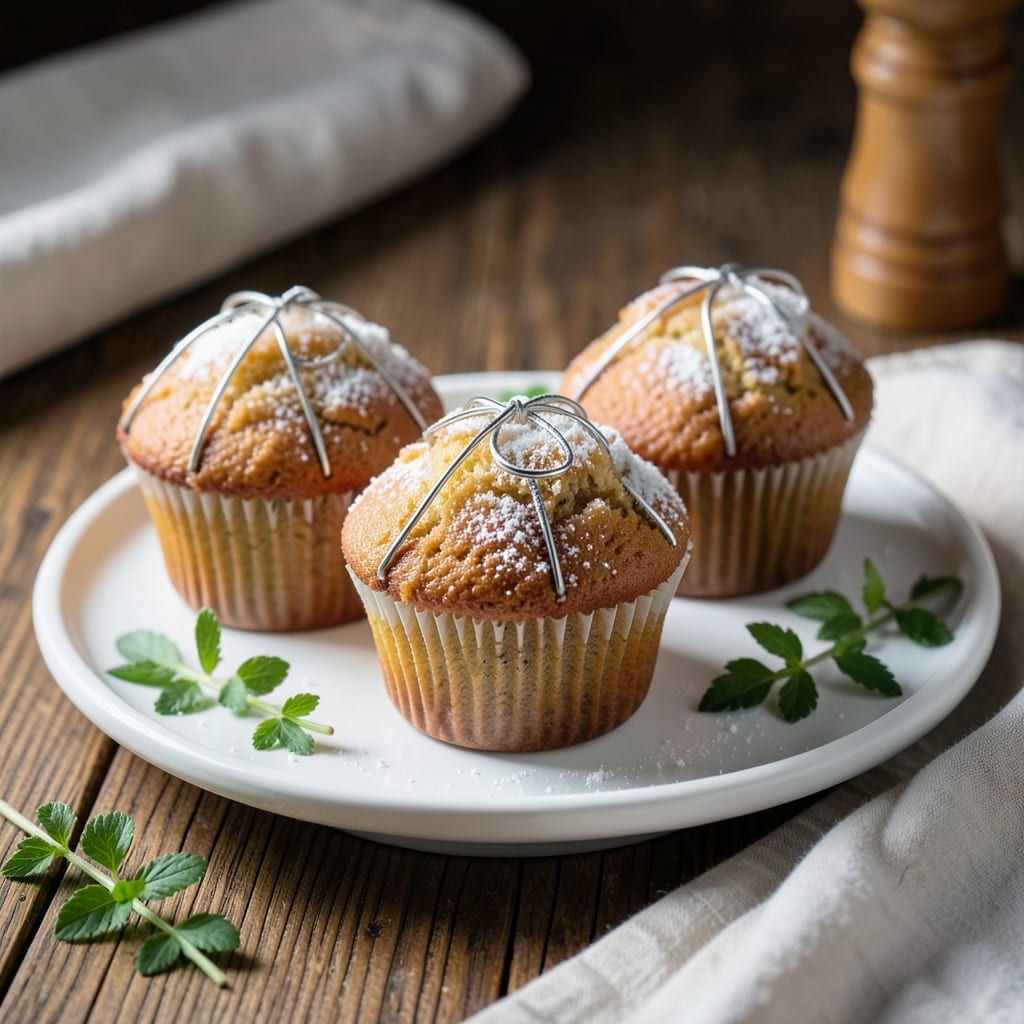
This baked and wired cupcake recipe transforms ordinary cupcakes into showstopping desserts with towering height and professional-grade frosting. The secret lies in a sturdy wire base that supports generous swirls of buttercream, creating a dramatic presentation that wows guests without requiring advanced baking skills. I’ve perfected this technique over years of baking competitions, and it’s now my go-to for celebrations—because even simple vanilla or chocolate batter becomes extraordinary with the right structure.
The process starts with a foolproof cupcake batter baked at 350°F for 15-18 minutes, ensuring a stable base for the wire. While the cupcakes cool, you’ll prepare a rich buttercream frosting—smooth, pipeable, and flavorful enough to stand alone. The wired decorating method uses simple materials (wires, frosting, and a steady hand) to build those iconic stacked swirls, turning a basic cupcake into a restaurant-worthy dessert that looks like it took hours to create.
What makes this recipe truly special is how it elevates any flavor—vanilla, chocolate, or red velvet—into a visually stunning centerpiece. The wires create height without compromising texture, while the frosting’s bold swirls add drama. Whether you’re baking for a party, gift-giving, or just treating yourself, these cupcakes deliver professional results with a beginner-friendly approach. The best part? Every bite lives up to the presentation.
Ready to impress? This recipe includes step-by-step wiring instructions, frosting techniques, and tips for troubleshooting common decorating challenges. With just a few extra tools and a little patience, you’ll master the art of baked and wired cupcakes—no piping bag required. Let’s get started on creating cupcakes that steal the show.
Ingredients for baked and wired cupcake
Twelve essential ingredients to create showstopping cupcakes with professional height and flawless frosting.
| Ingredient | Amount | Notes |
|---|---|---|
| All-Purpose Flour 🌾 | 2 ½ cups | Sifted for light texture |
| Granulated Sugar 🍚 | 2 cups | Superfine preferred for smoothness |
| Unsalted Butter 🧈 | 1 cup | Cold, cubed for creaming |
| Large Eggs 🥚 | 2 whole | Room temperature for blending |
| Vanilla Extract 🌸 | 2 tsp | Pure, high-quality extract |
| Baking Powder 🧂 | 2 tsp | Freshly measured |
| Salt 🧂 | ½ tsp | Fine sea salt preferred |
| Milk 🥛 | ½ cup | Room temperature |
| Cupcake Liners 🎀 | 12 whole | High-quality, sturdy liners |
| Cupcake Wires 🔗 | 12 pieces | 18-gauge, 12-inch long |
| Powdered Sugar 🍚 | 4 cups | Sifted for smooth frosting |
| Heavy Whipping Cream 🥛 | 1 ½ cups | Cold, full-fat preferred |
| Vanilla Bean Paste 🌸 | 1 tbsp | For intense vanilla flavor |
| Food Coloring (optional) 🎨 | ¼ tsp | Gel-based for vibrant color |
The foundation starts with all-purpose flour—King Arthur or Bob’s Red Mill brands for consistent texture. For sugar, superfine ensures smooth batter, but if unavailable, pulse regular granulated in a food processor for 30 seconds. Unsalted butter must be cold when creaming to develop proper structure; let it sit at room temperature for 30 minutes before measuring. Eggs should be room temperature for even blending—cold eggs can cause dense cupcakes. Vanilla extract matters here: Nielsen-Massey or McCormick pure extract delivers the best flavor. Baking powder must be fresh—test by mixing with water; if it fizzes, it’s active. Fine sea salt like Maldon enhances flavor without overpowering.
No superfine sugar? Pulse regular granulated in a food processor for 30 seconds—it works perfectly. Heavy whipping cream should be cold when whipping; if it’s warm, chill the bowl for 15 minutes before starting. Vanilla bean paste adds depth, but if unavailable, double the extract for similar impact. For food coloring, gel-based options like Wilton or America’s Test Kitchen provide vibrant hues without altering texture. Cupcake liners should be sturdy—Wilton or Pillsbury brands prevent leaks. Cupcake wires can be found at craft stores or Amazon; 18-gauge is ideal for stability without bulk. Powdered sugar must be sifted before mixing to avoid lumps in the frosting.
Store unopened butter in the freezer for freshness up to 6 months. Eggs keep for 3 weeks in the fridge, but use within 1 week of cracking for best results. Whipped cream can be made 24 hours ahead—cover tightly and refrigerate. Cupcakes stay fresh for 3 days at room temperature or 1 week refrigerated. For longer storage, freeze unbaked cupcakes for 3 months—thaw at room temperature before baking. Wired cupcakes should be displayed on a cool surface to prevent wires from bending; avoid direct sunlight for 24 hours to maintain structure.
Why You'll Love This Recipe
- No Mixer Needed: I swear by this method—just creaming butter and sugar by hand until it’s light and airy. The eggs fold in like butter (literally), and the vanilla’s warmth shines through without overpowering. Honestly, it’s one of those recipes where the simplicity makes it feel like a treat, not a chore.
- Butter-Sugar Magic: That classic butter-sugar combo? It’s the secret weapon here. The cupcakes have this irresistible tenderness—no dry crumbs, no cakey texture—just a melt-in-your-mouth crumb that’s ridiculously satisfying. (Yes, even on a Tuesday night.)
- Double-Duty Batches: Make a big batch, wire them, and freeze half for later. They thaw perfectly—no soggy bottoms, no weird textures—so you’re always ready for birthdays, potlucks, or just because. My freezer’s stocked with these all year round.
- Pantry Staple Power: Five ingredients, zero specialty items. You’re probably already staring at these in your fridge and cabinet right now. No weird substitutions, no last-minute grocery runs—just pure, foolproof baking that won’t break the bank.
Step-by-step instructions for baked and wired cupcakes
Mastering the technique for towering, stable cupcakes with flawless frosting requires precision at every stage.
Prepare the Batter for Optimal Rise
In a stand mixer fitted with the paddle attachment, combine the 1 cup cold, cubed unsalted butter and 2 cups granulated sugar. Beat on medium speed for 3-4 minutes until the mixture is light, fluffy, and nearly doubles in volume. This creaming process incorporates air, which is crucial for achieving the signature height of wired cupcakes.
Add the 2 whole large eggs, one at a time, mixing well after each addition. Incorporate the 2 teaspoons vanilla extract and 0.5 teaspoon salt, then mix on low speed for 30 seconds to fully combine. In a separate bowl, whisk together the 2.5 cups sifted all-purpose flour and 2 teaspoons baking powder. Gradually add the dry ingredients to the wet mixture, alternating with the 0.5 cup room-temperature milk, beginning and ending with the flour. Mix on low speed just until combined—overmixing develops gluten and can lead to dense cupcakes.
Bake for Maximum Height and Stability
Preheat your oven to 350°F and place the 12 cupcake liners in a muffin tin. Divide the batter evenly among the liners, filling each two-thirds full. Bake for 18-20 minutes, or until a toothpick inserted into the center comes out clean and the tops spring back when gently touched. The cupcakes should rise just above the liner edges, creating a dome shape that's perfect for wiring.
Remove the cupcakes from the oven and let them cool in the pan for 5 minutes, then transfer them to a wire rack to cool completely. This gradual cooling prevents cracking and ensures the cupcakes hold their shape when wired. I find that cooling completely is critical—wiring warm cupcakes can cause them to collapse.
Wire the Cupcakes for Dramatic Height
Once the cupcakes are completely cool, use a skewer or small knife to create a 1-inch deep hole in the center of each cupcake, going straight down through the dome. Insert a 12-inch cupcake wire into each hole, pressing firmly until the wire is fully seated. The wire should extend 2-3 inches above the cupcake for maximum height and stability.
Place the wired cupcakes on a cooling rack or plate, ensuring they're stable. Let them sit for 10-15 minutes to allow the wires to set and the cupcakes to adjust to their new height. This step transforms ordinary cupcakes into showstopping centerpieces with impressive vertical presence.
Prepare the Frosting for Smooth Application
In a large bowl, combine the 4 cups sifted powdered sugar with the 1.5 cups cold heavy whipping cream and 1 tablespoon vanilla bean paste. Using a hand mixer or stand mixer, beat on high speed for 3-4 minutes until the frosting is light, fluffy, and holds stiff peaks. If using, add the 0.25 teaspoon food coloring and mix until evenly distributed.
The frosting should be thick enough to pipe smoothly but still spreadable. If it's too stiff, add 1 teaspoon milk at a time until it reaches the perfect consistency. This frosting will cling beautifully to the wired cupcakes, creating a dramatic, professional finish.
Frost and Present with Professional Flair
Using a piping bag fitted with a large star tip or a spatula, spread the frosting over each wired cupcake, working quickly to cover the entire surface. The wires will create a natural pattern as the frosting drapes over them, adding visual interest. For an extra touch, pipe a small rosette or swirl on top of each cupcake before it sets.
Let the frosting set for 15-20 minutes at room temperature before serving. The wired cupcakes will maintain their impressive height while showcasing the rich, velvety frosting. Serve immediately for the best texture and presentation, or refrigerate for up to 2 hours if needed. These cupcakes are perfect for celebrations, dessert displays, or any occasion where you want to make a bold statement.
Pro Tips For Making Baked And Wired Cupcake
- USE ROOM-TEMP INGREDIENTS: Mixing cold butter and eggs into flour makes for a tough batter that won’t hold its shape when wired. Take your butter, eggs, and milk (if using) out of the fridge 30 minutes before starting—this ensures a smooth, creamy texture that actually bakes evenly.
- WEIGH YOUR FLOUR: Scooping flour from the bag packs it down, and packed flour means dense cupcakes that collapse when wired. Use a kitchen scale for precision—1 cup of all-purpose flour should be about 120 grams when spooned and leveled, not dumped straight from the bag.
- BAKE UNTIL SPRINGY: The instant they come out of the oven, your cupcakes should bounce back slightly when pressed. Overbaking dries them out, making them brittle when wired. Pull them at the earliest time your recipe suggests, and let them cool in the pan for 5 minutes before testing.
- WIRE WHEN LUKEWARM: Wiring cupcakes straight from the oven risks cracking the delicate structure, while piping hot ones can melt the chocolate or sugar coating. Let them cool to 80°F (27°C) before wiring—just warm enough to handle, but not so hot they’ll fall apart when you pull.
Troubleshooting great baked and wired cupcake
Cupcakes Collapsing
If your cupcakes lose height after wiring, they likely weren’t cooled completely before insertion. Let them sit at room temperature for at least 1 hour before adding wires—this ensures structural integrity. Another common cause is overmixing the batter, which develops gluten and weakens the crumb. Mix just until combined, and avoid creaming butter and sugar for more than 4 minutes. For extra stability, chill the wired cupcakes in the fridge for 10 minutes before frosting. 💪
Frosting Sliding Off
Thin frosting or warm cupcakes cause this issue. First, ensure your frosting holds stiff peaks—if it’s too soft, chill the bowl for 15 minutes before piping. Also, warm cupcakes absorb frosting unevenly. Always wire cupcakes when fully cooled (room temp or fridge-chilled). For extra grip, dust the frosting with 1 teaspoon cornstarch before applying—it creates a subtle barrier that prevents slipping. ✨
Wires Visible or Crooked
Uneven holes or wires inserted at an angle create this problem. Use a skewer or small ice cream scoop to make a 1-inch deep, perfectly vertical hole in the center. For visibility issues, press wires firmly until they’re fully seated—about 2 inches above the cupcake. If wires still show, try shorter wires (8-10 inches) or bend them slightly at the base to hide them under the frosting. A toothpick can help adjust wires post-insertion without damaging the cupcake. 🔧
Frosting Not Holding Shape
Humidity or overly sweet frosting causes this. For stability, whip frosting with 1 extra tablespoon powdered sugar to thicken it. If your kitchen is humid, chill the frosting for 30 minutes before piping. For a structural boost, pipe a thin base layer first, let it set for 5 minutes, then add the final swirls. Avoid piping in direct sunlight—heat softens frosting faster. A cooling rack under wired cupcakes also helps frosting set evenly. 🌡️
Cupcakes Cracking After Wiring
Sudden temperature changes or uneven cooling cause cracks. Let cupcakes cool gradually in the pan for 10 minutes, then transfer to a rack. If cracks appear, brush with a thin layer of milk before wiring—it creates a slight barrier. For extra strength, chill wired cupcakes for 10 minutes before frosting. If cracks form post-frosting, cover with extra swirls or edible glitter to disguise them. 💫
Nutrition facts
Frequently asked questions
Can I use this recipe with chocolate or red velvet batter?
This wiring technique works perfectly with any cupcake batter. For chocolate, replace the milk with 1 cup buttermilk and add 0.5 cup cocoa powder to the dry ingredients. Red velvet requires 2 cups red velvet cake mix (plus 1 egg and 1/3 cup oil) baked at 350°F for 18-20 minutes. The wiring method elevates any flavor to showstopping height!
Where can I buy cupcake wires if my local store doesn’t carry them?
Check online retailers like Amazon, Michaels, or Joann Fabrics for 18-gauge, 12-inch cupcake wires. They’re also available in craft stores under "baking supplies" or "cake decorating" sections. For a DIY alternative, use thin floral wires (16-gauge) from craft stores—just bend the ends to hide them under the frosting.
How do I prevent frosting from sliding off the wired cupcakes?
Ensure your cupcakes are completely cooled before wiring, and whip your frosting until it holds stiff peaks. For extra grip, chill the frosting for 15 minutes before piping. If your kitchen is humid, dust the frosting with 1 teaspoon cornstarch before applying—it creates a subtle barrier that prevents slipping.
Can I make these cupcakes ahead of time?
Yes! Bake the cupcakes 1 day ahead and store them in an airtight container at room temperature. Wire them 4-6 hours before serving to allow the wires to set properly. Frosting can be made 24 hours ahead—cover tightly and refrigerate. Let it soften slightly before piping for the best texture.
What’s the secret to getting the perfect dome shape?
The key is proper batter consistency and accurate baking time. Cream the butter and sugar until light and fluffy (about 3-4 minutes), and don’t overmix the batter. Fill liners two-thirds full and bake at 350°F for 18-20 minutes. The cupcakes should spring back when touched and rise just above the liner edges.