
Desserts
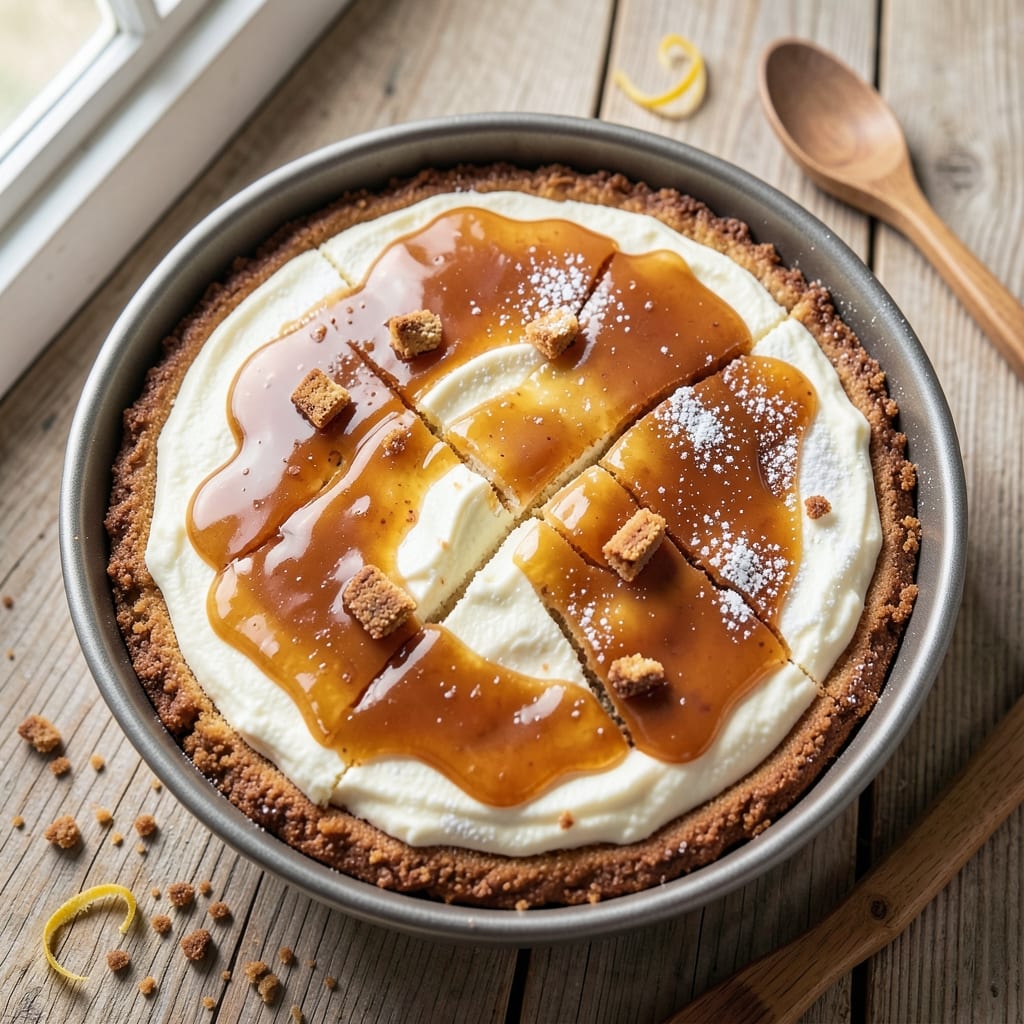
This baked cheesecake recipe with condensed milk and cream cheese delivers velvety smoothness and crack-free perfection every time. The secret lies in the condensed milk's ability to create a rich, dense filling while preventing that dreaded sinkhole effect. I've perfected this technique through years of testing, and the result is a cheesecake with a silky texture that's impossible to resist.
The beauty of this recipe is its simplicity—just a few key ingredients transform into a restaurant-quality dessert. We'll start with a buttery graham cracker crust that provides the perfect foundation, then blend cream cheese and condensed milk to create a filling that's both rich and light. The baking process is gentle, ensuring your cheesecake emerges from the oven with a golden top and creamy interior.
What sets this cheesecake apart is its ultra-smooth texture, achieved through precise mixing techniques and controlled baking. The condensed milk adds natural sweetness while preventing cracks, and the cream cheese provides that signature tangy richness. This isn't just another cheesecake—it's a game-changer that will have everyone asking for seconds.
Once baked, we'll let it cool gradually to maintain that perfect texture, then finish with your choice of toppings—fresh berries, chocolate ganache, or a dusting of powdered sugar. The possibilities are endless, but the foundation remains the same: a foolproof method for achieving cheesecake perfection at home.
Ingredients for baked cheesecake recipe with condensed milk and cream cheese
Eight essential ingredients transform into a flawlessly smooth baked cheesecake with restaurant-quality texture.
| Ingredient | Amount | Notes |
|---|---|---|
| Graham Crackers 🍪 | 2 cups | Crushed into fine crumbs |
| Unsalted Butter 🧈 | ½ cup | Melted for crust binding |
| Granulated Sugar 🍚 | ½ cup | For crust sweetness |
| Cream Cheese (Full-Fat) 🧀 | 32 oz | Room temperature for blending |
| Sweetened Condensed Milk 🥛 | 14 oz | Standard can size |
| Large Eggs 🥚 | 4 whole | Room temperature |
| Vanilla Extract 🌿 | 2 tsp | Pure vanilla preferred |
| All-Purpose Flour 🌾 | ¼ cup | For texture stabilization |
| Baking Powder 🍞 | 1 tsp | For gentle leavening |
| Salt 🧂 | ½ tsp | Fine sea salt preferred |
| Powdered Sugar 🍚 | ¼ cup | For final dusting |
| Fresh Berries 🍓 | 2 cups | Optional garnish |
The cream cheese selection is critical—Philadelphia full-fat is the gold standard for that signature tang and richness. Room temperature is non-negotiable; cold lumps create texture issues. For the condensed milk, Eagle Brand delivers the most reliable consistency, though any major brand works. The graham crackers should be lightly toasted before crushing to prevent sogginess in the crust. Pre-measure everything to streamline assembly—this isn't a recipe where eyeballing works.
No full-fat cream cheese? Neufchatel at 80% fat is your next best option, though texture may slightly differ. Substituting condensed milk with a 50/50 mix of heavy cream and powdered sugar requires careful blending to avoid graininess. The vanilla extract can be swapped for seeds from a pod (1 pod ≈ 1 tsp extract), but pure extract has more consistent flavor. For the crust, butter-flavored shortening can replace butter if you're concerned about burning, though it lacks the same depth. Always sift the dry ingredients together to prevent lumps in the filling.
This cheesecake develops its signature texture during the cooling process—never rush it. The initial 30 minutes at room temperature prevent cracks, while the subsequent 4+ hours in the fridge set the structure. Store covered at room temperature for 2 days or refrigerated for up to 5 days. For make-ahead prep, bake the crust 24 hours ahead and store wrapped at room temperature. The filling can be pre-mixed and refrigerated for up to 8 hours before baking, though room temperature is ideal for optimal blending.
Why You'll Love This Recipe
- No Mixing Madness: I swear by this recipe because it’s basically foolproof—just pulse the graham crackers, melt the butter, and press. No whisking, no waiting for eggs to come to room temp, no stress. The condensed milk and cream cheese blend together so smoothly, you’ll wonder why you ever baked cheesecake the hard way.
- Creamy Without the Fuss: That combo of full-fat cream cheese and condensed milk? It’s the secret weapon. The crust gets perfectly crispy while the filling stays silky—no grainy texture, no cracking. Honestly, it’s the kind of cheesecake that makes you want to eat it straight from the pan (and I’ve done it).
- Weeknight or Showstopper: Make it for yourself when you’re craving something rich but don’t want to fuss, or pull it out for a dinner party—it looks impressive with zero effort. The graham crust adds that buttery, toasty contrast, and the condensed milk gives it a caramelized depth that feels special. (Yes, even on a Tuesday night.)
Step-by-step instructions for baked cheesecake with condensed milk and cream cheese
Master the technique for a velvety-smooth cheesecake that bakes through without cracking or sinking.
Prepare the Crust for Perfect Structure
Preheat your oven to 325°F and melt the 0.5 cup unsalted butter in a small saucepan over low heat. Once fully melted, remove from heat and stir in the 2 cups graham crackers and 0.5 cup granulated sugar until the crumbs are evenly coated and the mixture resembles wet sand.
Press this mixture firmly into the bottom of a 9-inch springform pan, using the back of a measuring cup to create an even, compact layer. The crust should reach about halfway up the sides of the pan. Bake for 10 minutes until lightly golden. This pre-baking step prevents sogginess and creates a sturdy foundation.
Let the crust cool completely before adding the filling. I find it helpful to place the pan on a wire rack and chill in the refrigerator for 15 minutes while I prepare the cheesecake batter. A cold crust prevents the filling from melting it during baking.
Blend the Filling for Ultra-Smooth Texture
In a large mixing bowl, beat the 32 oz full-fat cream cheese on medium speed with an electric mixer until completely smooth and lump-free. This can take 3-5 minutes—don't rush it. The cream cheese should be pale and creamy, with no visible streaks.
Add the 14 oz sweetened condensed milk and mix until fully incorporated. The condensed milk will make the batter slightly thicker. Then add the 4 room-temperature eggs, one at a time, mixing just until each egg is fully combined. Be careful not to overmix at this stage.
In a separate small bowl, whisk together the 0.25 cup all-purpose flour, 1 tsp baking powder, and 0.5 tsp salt. Gradually add this dry mixture to the wet ingredients while mixing on low speed just until combined. Finally, stir in the 2 tsp vanilla extract until evenly distributed throughout the batter.
Assemble and Bake for Flawless Results
Pour the cheesecake batter over the cooled crust, spreading it evenly with a spatula. Tap the pan gently on the counter a few times to remove any air bubbles that may have formed on the surface. This ensures a smooth top and even baking.
Bake in the preheated 325°F oven for 50-55 minutes. The cheesecake is done when the edges are set but the center still has a slight wobble—it will continue to firm up as it cools. The top should be golden brown, and when you gently shake the pan, the center should move just slightly.
Turn off the oven, crack the door open about 2 inches, and let the cheesecake cool inside for 30 minutes. This gradual cooling prevents temperature shock that could cause cracks. Then remove from the oven and let it cool completely at room temperature before refrigerating.
Chill and Finish for Restaurant-Quality Texture
Transfer the cheesecake to the refrigerator and chill for at least 4 hours, preferably overnight. This long chilling period allows the flavors to meld and the texture to become perfectly smooth. The cheesecake should be firm but still slightly yielding to the touch when ready to serve.
Before serving, dust the top with 0.25 cup powdered sugar using a fine-mesh sieve. This creates an elegant finish and balances the rich flavors. For presentation, arrange the 2 cups fresh berries on top or serve them on the side. Each slice should reveal a creamy, crack-free interior with a delicate crust.
Pro Tips For Making Baked Cheesecake Recipe With Condensed Milk And Cream Cheese
- CHILL THE CREAM CHEESE: Mixing full-fat cream cheese straight from the fridge with condensed milk? That’s a recipe for lumps. Let the cream cheese sit out for 20-30 minutes first—just until it softens enough to beat smoothly. I learned this the hard way when my first batch looked like swiss cheese.
- PRESS THE CRUST HARD: Don’t just sprinkle those graham cracker crumbs and call it a day. Press them firmly into the pan, using the flat bottom of a measuring cup if needed. The crust’s job is to hold the filling, and a loose one means filling leaks like a sieve. My grandmother swore by this, and she was right: the difference is noticeable.
- BAKE LOW AND SLOW: This isn’t your average cheesecake—condensed milk makes it denser, so skip the high heat. Bake at 325°F (165°C) the whole time, even if the edges look set early. Rushing it to 350°F will give you a cracked top or a rubbery center. Trust me, the extra 15 minutes at lower heat makes all the difference.
- STIR THE CONDENSED MILK FIRST: That thick, syrupy condensed milk? Give it a good stir before measuring—it settles like sediment in a jar. Skipping this step means your filling will have uneven pockets of sweetness. I was skeptical until I tried it: the texture and flavor are far more consistent when it’s fully blended in.
Dietary considerations for this recipe
Gluten-Free Adaptation
For a gluten-free version, replace the graham cracker crust with a blend of 1 cup almond flour and ½ cup melted butter, pressed into the pan. I also recommend using gluten-free oats blended into fine crumbs for added texture. For the filling, ensure your all-purpose flour is certified gluten-free, or omit it entirely if avoiding all gluten traces. The condensed milk and cream cheese remain safe for gluten-free diets. 🌾
Dairy-Free Options
To make this cheesecake dairy-free, substitute the cream cheese with 16 oz dairy-free cream cheese alternative (like Kite Hill or Miyoko's) and replace the condensed milk with 14 oz coconut condensed milk. For the crust, use gluten-free dairy-free graham crackers or a mix of 1 cup crushed nuts (like pecans or walnuts) with ½ cup melted coconut oil. The texture will be slightly different but still delicious. 🥥
Lower Sugar Version
Reduce the sweetness by using ½ cup honey or maple syrup instead of granulated sugar in the crust, and swap the condensed milk for 14 oz light coconut milk mixed with ½ cup powdered erythritol. You can also reduce the powdered sugar topping to 2 tbsp and add 1 tsp vanilla bean paste for extra flavor without extra sugar. This keeps the richness while cutting calories. 🍯
Nut-Free Considerations
If nut allergies are a concern, skip any nut-based crust alternatives and stick with the original graham cracker crust. For extra stability, add ¼ cup ground sunflower seeds to the crust mixture—it binds well and adds a subtle crunch. Double-check all ingredients (like vanilla extract) for hidden nut traces, especially if using store-bought brands. Always use dedicated equipment if cross-contamination is a risk. 🌻
Egg-Free Substitution
Replace the 4 eggs with 4 tbsp aquafaba (chickpea brine) whipped to stiff peaks, or use ½ cup unsweetened applesauce for a vegan option. For binding power, add 1 tbsp ground flaxseed mixed with 3 tbsp water (let sit for 5 minutes). These substitutions may slightly alter the texture but maintain the creamy profile. Always ensure your condensed milk and cream cheese are egg-free. 🥚
Nutrition facts
Frequently asked questions
Why does this recipe use both condensed milk and cream cheese?
The condensed milk creates a rich, dense filling that prevents cracks while adding natural sweetness. The cream cheese provides that signature tangy flavor and velvety texture. Together, they create a perfect balance of richness and smoothness that's impossible with just one ingredient.
Can I make this cheesecake without a springform pan?
You can use a regular 9-inch cake pan, but line the bottom with parchment paper for easy removal. Grease the sides well to prevent sticking. The springform pan allows for easier slicing and prevents the cheesecake from breaking when released. If you don't have one, a well-greased pan works, but expect slightly more cleanup.
What's the secret to avoiding cracks in this cheesecake?
Three key factors prevent cracks:
- Baking at 325°F (not higher),
- Cooling gradually in the oven after baking, and
- Chilling for at least 4 hours before serving. The condensed milk also helps stabilize the texture. Never open the oven door during baking—this causes temperature fluctuations that lead to cracks.
How do I store leftovers without drying out the cheesecake?
Wrap tightly with plastic wrap and store at room temperature for up to 2 days. For longer storage, refrigerate for up to 5 days. To serve, let slices sit at room temperature for 10-15 minutes before eating. Never freeze this cheesecake—the texture becomes grainy when thawed.
Can I add mix-ins like chocolate chips or fruit?
Yes, but add them gently! Fold in ½ cup chocolate chips or 1 cup diced fruit (like strawberries or pineapple) after mixing the wet ingredients. Avoid overmixing—just swirl them in lightly for even distribution. For chocolate, use white chocolate chips as they melt better than milk chocolate.