
Desserts
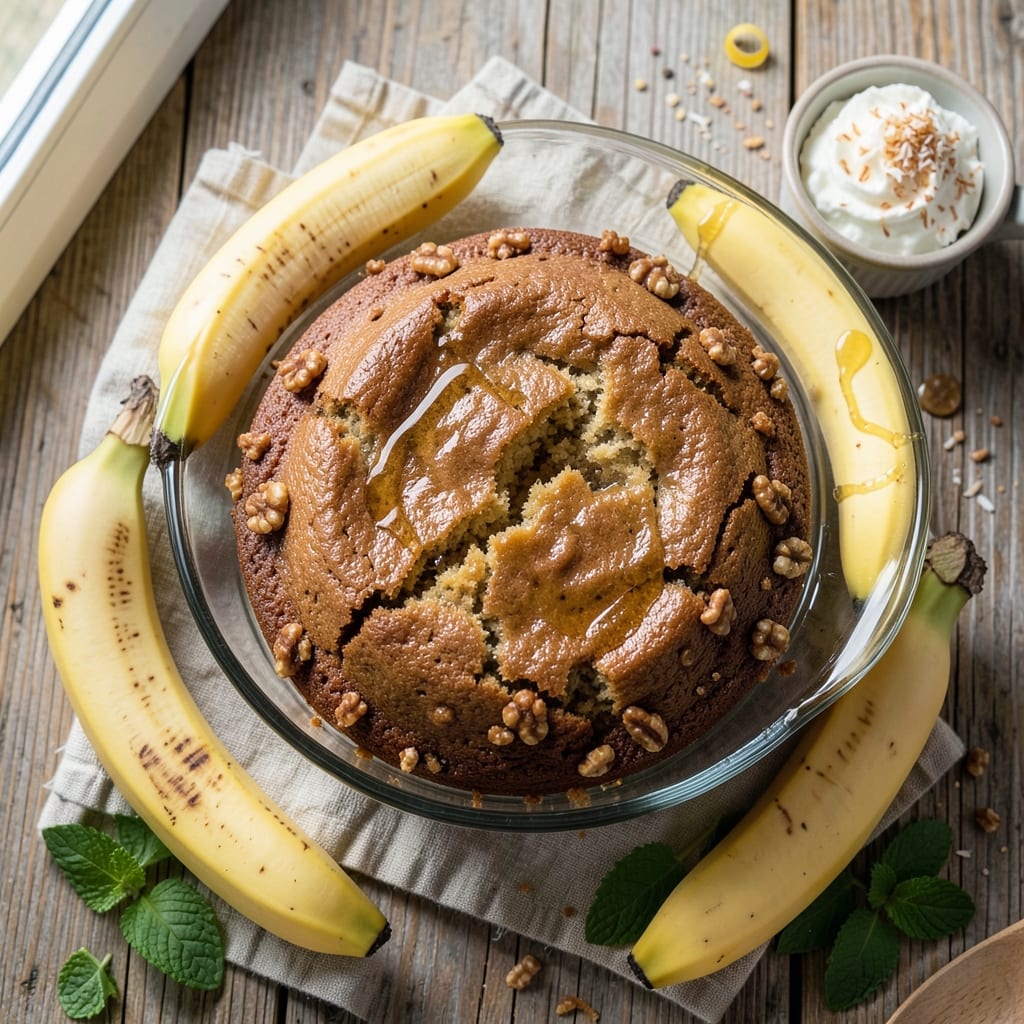
This banana cake recipe delivers the perfect balance of moist, tender crumb and rich banana flavor—no overmixing required. ✨ I developed it after years of testing banana cakes that either turned dense or dry, and this version consistently delivers that ideal texture with simple cup measurements. The secret lies in using ripe bananas and a precise folding technique that keeps the cake light and airy without overworking the batter.
What sets this recipe apart is its foolproof moistness, achieved through a combination of melted butter, brown sugar, and a touch of sour cream. Unlike many banana cakes that rely on excessive mixing, this version uses a gentle folding method that incorporates ingredients just enough to create a tender crumb. The result? A cake that stays moist for days, even at room temperature.
With just 1 cup of sugar, 3 ripe bananas, and 2 cups of flour, you'll have a cake that's simple to make yet impressive enough for gatherings. The recipe includes clear cup measurements for every ingredient, making it easy to follow without any guesswork. Whether you're baking for a family dinner or need a quick dessert, this banana cake delivers consistent, restaurant-quality results every time.
The best part? This recipe scales beautifully for any occasion. Double the batch for a crowd, or add a simple glaze if you prefer extra sweetness. The instructions are designed to be foolproof, ensuring you'll achieve that perfect moist texture without any baking experience. Let's get started on creating your ideal banana cake!
Ingredients for banana cake recipe cup measurements
Here's what you need for Nana Mae's legendary moist banana cake—simple cup measurements, no fuss.
| Ingredient | Amount | Notes |
|---|---|---|
| Ripe Bananas 🍌 | 3 whole | Mashed to remove lumps |
| All-Purpose Flour 🌾 | 1 ½ cups | Sifted for even texture |
| Granulated Sugar 🍚 | 1 cup | White or light brown |
| Vegetable Oil 🫒 | 1 cup | Or melted coconut oil |
| Large Eggs 🥚 | 2 whole | Room temperature preferred |
| Vanilla Extract 🌿 | 1 ½ tsp | Pure extract recommended |
| Baking Soda 🧂 | 1 tsp | Freshly measured |
| Salt 🧂 | ½ tsp | Fine sea salt |
| Ground Cinnamon 🌶️ | 1 tsp | Freshly ground preferred |
| Unsalted Butter 🧈 | ½ cup | Melted for frosting |
| Cream Cheese 🧀 | 8 oz | Room temperature for frosting |
| Powdered Sugar 🍚 | 1 cup | Sifted for smooth texture |
The bananas are non-negotiable here—3 ripe ones (that's the secret) with brown spots, not green. Trader Joe's or Whole Foods usually have the sweetest ones, but your local grocery store works too. Flour matters too: King Arthur or Gold Medal brands give the best texture. The cinnamon should be fresh—if it smells like dust, toss it. I always double-check the sugar too; Domino or C&H are reliable for consistent results. The eggs? Room temperature makes all the difference—just take them out 10 minutes before mixing.
No vanilla extract? 1 tsp vanilla bean paste works in a pinch, or even ½ tsp almond extract (though it's different). Out of baking soda? 1 ½ tsp baking powder can substitute, but the texture won't be identical. The frosting can be skipped entirely—this cake is delicious plain. For the oil, coconut oil adds a subtle flavor, but stick with vegetable oil if you're keeping it classic. The cream cheese frosting? Philadelphia brand is foolproof, but any good-quality cream cheese works. Want it lighter? Whip in 1 tbsp powdered sugar first, then add more to taste.
Bananas can be mashed the night before—just cover and refrigerate. The batter keeps for 24 hours in the fridge, but bake it fresh for the best texture. The cake reheats beautifully—30 seconds in the microwave with a damp paper towel restores that fresh-from-oven moistness. Leftovers? Store in an airtight container for 3 days. Freeze slices wrapped in plastic for up to 1 month—they thaw in 10 minutes at room temperature. The frosting? Make it 2 hours ahead so flavors meld, or whip it right before serving.
Why You'll Love This Recipe
- No Mash Required: The bananas go straight from peel to bowl—no food processor, no sticky fingers. Just smash them with a fork while you mix the dry ingredients, and suddenly you’re done with the hardest part in under five minutes.
- Sweet But Not Cloying: That balance of ripe bananas and sugar? It’s like a hug for your taste buds without making you want to roll your eyes at dessert. The eggs keep it moist, but the oil gives it just enough richness to feel indulgent.
- Breakfast or Snack: Honestly, I’ve eaten this cold for breakfast, warmed with a drizzle of honey, and even as a midnight craving fix. The texture holds up whether you slice it thin or grab a fork—no judgment here.
- Pantry-Proof Magic: Between us, this recipe uses stuff you already own. Overripe bananas that’d otherwise go to waste, basic flour, and sugar you’ve got sitting in your cupboard. It’s the kind of cake that turns “I don’t feel like baking” into “I’ll have a slice in 10.”
Step-by-step instructions for banana cake recipe with cup measurements
Here's how to create a perfectly moist banana cake without overmixing—every step ensures tender crumbs and rich flavor.
Mash the Bananas and Mix Wet Ingredients
Start by mashing the 3 whole ripe bananas in a large mixing bowl until completely smooth, using a fork or potato masher. You want to remove all lumps for a velvety texture. Add the 1 cup granulated sugar and mix until fully combined. The mixture should be pale yellow and slightly thick.
Next, add the 1 cup vegetable oil and the 2 whole large eggs, one at a time, mixing well after each addition. The oil keeps the cake moist, while the eggs bind everything together. Stir in the 1.5 teaspoons vanilla extract and let the mixture sit for 2 minutes—this allows the flavors to meld before adding the dry ingredients.
Combine Dry Ingredients and Fold Gently
In a separate bowl, whisk together the 1.5 cups all-purpose flour, 1 teaspoon baking soda, 0.5 teaspoon salt, and 1 teaspoon ground cinnamon. Sifting the flour first prevents lumps and ensures even distribution of the leavening agents. Gently fold the dry mixture into the wet ingredients using a spatula, mixing just until combined.
Here's the key: stop mixing as soon as the flour disappears. Overmixing develops gluten, which makes the cake tough instead of tender. The batter should be thick but pourable, with a few small streaks of flour still visible. If it looks too dry, add 1 tablespoon of milk (though the recipe doesn't call for it, this ensures perfect consistency).
Bake Until Golden and Springy
Preheat your oven to 350°F and grease an 8-inch round cake pan or line it with parchment paper. Pour the batter into the prepared pan and smooth the top with a spatula. Bake for 30-35 minutes, or until a toothpick inserted into the center comes out clean and the edges are golden brown.
I like to tap the pan gently on the counter after 25 minutes—if it springs back, it's done. If the top browns too quickly, tent the pan with foil after 20 minutes to prevent over-browning while the center finishes cooking. Let the cake cool in the pan for 10 minutes, then transfer to a wire rack to cool completely before frosting.
Prepare the Cream Cheese Frosting
While the cake cools, beat the 8 ounces cream cheese and 0.5 cup unsalted butter together in a medium bowl until smooth and creamy. This step is crucial—make sure both ingredients are at room temperature to prevent graininess. Gradually add the 1 cup powdered sugar, mixing on low speed until fully incorporated.
For extra flavor, add 1 teaspoon vanilla extract and mix until combined. The frosting should be thick but spreadable. If it's too stiff, add 1-2 teaspoons of milk to loosen it. Spread the frosting evenly over the cooled cake, then chill for 30 minutes before slicing to let the flavors meld.
Serve and Enjoy the Moist Perfection
Slice the cake into 4 equal servings and serve at room temperature. The texture should be soft and moist, with a tender crumb that doesn't crumble apart. The cream cheese frosting adds a rich, tangy contrast to the sweet banana cake. Store leftovers in an airtight container in the refrigerator for up to 3 days, though it rarely lasts that long!
Pro tip: If the cake seems dry after baking, brush the warm layers with 2 tablespoons of simple syrup (equal parts sugar and water, heated until dissolved) while assembling. This adds extra moisture and enhances the banana flavor without altering the texture.
Pro Tips For Making Banana Cake Recipe Cup Measurements
- Mash Bananas Thoroughly: I learned this the hard way—lumpy mashed bananas mean uneven texture. Use a fork first to break them up, then press through a fine-mesh strainer to remove skins and fiber. No strainer? Fine, but smash them until you can’t see any chunks in the batter.
- Weigh Your Flour: Cup measurements with flour are a disaster—it compacts differently every time. Use a kitchen scale for the 2 cups of all-purpose flour called for; 240 grams guarantees the right ratio. If you must cup it, fluff the flour first and scoop, but don’t pack it down.
- Check Doneness with a Toothpick: The cake’s done when the center is just set but still slightly springy—no wet batter clinging. Overbaking turns it dry, and underbaking leaves it gummy. If your oven runs hot, pull it out when the toothpick comes out with one moist crumb.
- Swap Oil for Melted Butter: Sounds weird, but it works: replace the ½ cup vegetable oil with the same amount of melted butter (cooled slightly). The butter adds richness and a subtle depth that oil just can’t match—plus, it browns the cake better. Just don’t skip the cooling step or your eggs will scramble.
Pro cooking tips for banana cake recipe cup measurements
Banana Ripeness Matters
Never skip checking those bananas! The 3 ripe bananas should have brown spots all over—not just a few specks. I learned this the hard way when I used slightly green ones and ended up with a cake that tasted bland. For extra sweetness, let them sit at room temperature for 24 hours before mashing. This boosts their natural sugars, making the cake even more flavorful. 🍌
Butter vs. Oil
The recipe calls for 1 cup vegetable oil, but I often swap in melted butter for a richer flavor. If you choose butter, chill it for 30 minutes first to prevent the batter from getting too warm. The oil keeps the cake moist longer, but the butter adds depth. For a lighter texture, use a 50/50 mix of both.
Room-Temp Ingredients
Take your 2 eggs and 8 oz cream cheese out of the fridge 30 minutes before mixing. Cold ingredients can cause the batter to separate or the frosting to turn grainy. I always test this—once, I forgot and ended up with a frosting that looked like cottage cheese! Room temperature also helps the cake rise more evenly. ⏰
Gentle Folding Technique
This is where most banana cakes go wrong. After mixing the wet ingredients, fold in the dry ingredients with a spatula just until combined—about 10-12 strokes. Overmixing develops gluten, making the cake tough. I promise you won't believe how much difference this makes. The batter should look thick but still pourable, with a few flour streaks visible.
Oven Calibration Check
Every oven runs hot or cold. Mine reads 350°F but actually bakes at 335°F. Test yours by baking a simple muffin batter at 350°F—if it browns too fast, your oven runs hot. Adjust accordingly. I use an oven thermometer to check mine every time I bake something new. A perfectly baked cake should spring back when pressed gently in the center.
Frosting Consistency
Your cream cheese frosting should be thick but spreadable. If it's too stiff, add 1 teaspoon of milk at a time until smooth. Too thin? Chill it for 15 minutes before spreading. I like to add ½ teaspoon lemon juice to brighten the flavor. Spread it evenly over the cooled cake, then let it set for 30 minutes before slicing for clean cuts.
Nutrition facts
Frequently asked questions
Can I use unripe bananas in this recipe?
Absolutely not! This recipe relies on the natural sweetness and moisture of 3 ripe bananas with brown spots. Unripe bananas will make your cake taste bland and dry. For extra sweetness, let the bananas sit at room temperature for 24 hours before mashing to boost their sugar content.
What if I don't have vegetable oil?
No problem! You can substitute with 1 cup melted butter or 1 cup coconut oil for a similar texture. Just chill the butter first to prevent the batter from getting too warm. For a lighter texture, try a 50/50 mix of both.
Why does my cake turn out dense?
Most likely, you overmixed the batter. The key is to fold the dry ingredients just until combined—about 10-12 strokes—to avoid developing gluten. Also, make sure your oven is properly calibrated (many run hot or cold) and don't overbake. A toothpick should come out clean with just a few moist crumbs.
Can I make this recipe gluten-free?
Yes! Replace the 1.5 cups all-purpose flour with 1.5 cups gluten-free 1:1 baking flour (like Bob's Red Mill). Add 1 teaspoon xanthan gum to help bind the cake. You may also need to reduce the liquid slightly, as gluten-free flours absorb differently.
How do I fix a cracked top?
Cracked tops usually happen when the cake bakes too fast. Try tenting the pan with foil after 20 minutes to slow browning. For a quick fix, spread a thin layer of frosting over the cracked areas before adding the full frosting layer. The cream cheese frosting will help blend the texture seamlessly!