
Desserts
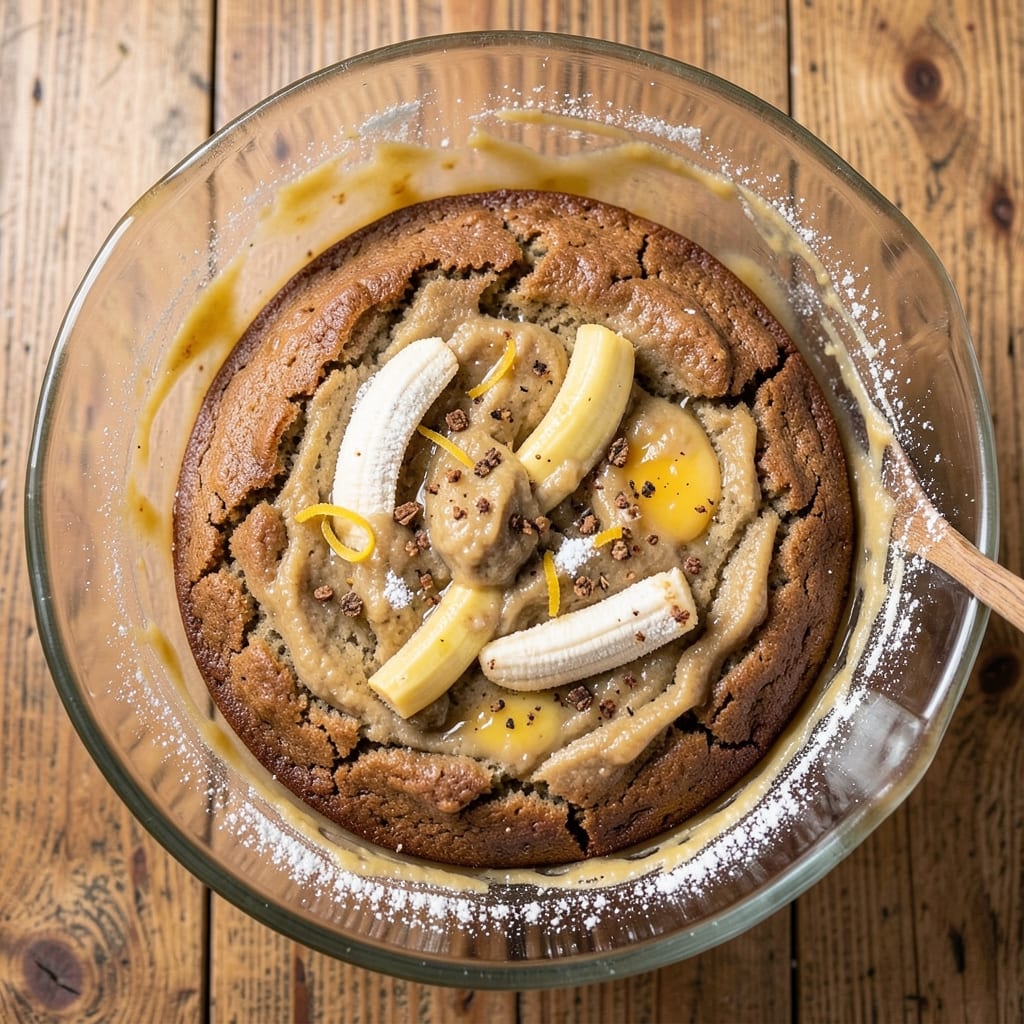
This banana cake recipe using oil—not butter— delivers the same ultra-moist crumb you love—without butter’s richness or potential for dryness. The secret lies in vegetable oil’s ability to tenderize while keeping the texture light and fluffy, even after days of baking. I perfected this version after years of testing, ensuring every slice stays perfectly moist with just the right balance of sweetness and banana flavor.
The substitution of oil for butter transforms this into a foolproof recipe that’s both beginner-friendly and restaurant-worthy. Unlike traditional banana cakes that rely on butter for flavor, this version uses oil to create a tender crumb that stays soft for days. The cake bakes up golden with a fine crumb and just the right amount of banana sweetness—no one will guess it’s made without butter.
What makes this recipe truly special is its versatility. Whether you prefer a classic vanilla frosting, a tangy cream cheese glaze, or a rich chocolate drizzle, this cake provides the perfect base. The oil-based batter ensures it stays moist even when topped, making it ideal for celebrations or quick treats when you need something delicious without the fuss.
Ready in just 350°F for 30–40 minutes, this banana cake is perfect for any occasion. The ingredients are simple, the method straightforward, and the results consistently impressive. Let’s get baking!
Ingredients for banana cake recipe using oil not butter
Simple pantry staples and ripe bananas transform into a moist, buttery-tasting cake—no butter needed.
| Ingredient | Amount | Notes |
|---|---|---|
| Ripe Bananas 🍌 | 3 whole | Mashed until smooth |
| All-Purpose Flour 🌾 | 2 cups | Sifted for even texture |
| Granulated Sugar 🍚 | 1 ½ cups | White or light brown |
| Vegetable Oil 🫒 | 1 cup | Light or canola preferred |
| Large Eggs 🥚 | 2 whole | Room temperature for blending |
| Baking Soda 🧂 | 1 tsp | Pure baking soda |
| Salt 🧂 | ½ tsp | Fine sea salt |
| Vanilla Extract 🌸 | 2 tsp | Pure vanilla preferred |
| Milk 🥛 | 1 cup | Any kind works fine |
| Unsweetened Applesauce 🍎 | ½ cup | For extra moisture |
| Walnuts 🌰 | ½ cup | Chopped, optional topping |
| Powdered Sugar 🍚 | 1 cup | For dusting (optional) |
The bananas are the heart of this cake, so pick ones that are truly ripe—think black spots and soft to the touch. The oil does the heavy lifting for moisture, but vegetable or canola oil works best for that neutral flavor. I always grab the lightest oil from Trader Joe's—it's consistent and affordable. For the flour, King Arthur brand is my go-to; it's sifted and ready to use. The baking soda is non-negotiable—it's what gives this cake that classic banana cake rise without relying on butter's leavening power. Store your baking soda in an airtight container to keep it fresh.
No vegetable oil? Avocado or coconut oil works in a pinch, but the flavor might be slightly different. Running short on eggs? Flax eggs (1 tbsp ground flax + 3 tbsp water per egg) keep the texture intact. The applesauce is a secret weapon—it adds moisture without altering the flavor. Want extra richness? Add 1 tbsp of melted coconut oil to the batter. For the walnuts, toast them first—they add a nice crunch that contrasts perfectly with the soft cake. If you're avoiding nuts, skip them entirely; the cake still shines without them.
This cake keeps beautifully—3-4 days at room temperature wrapped in plastic, or up to 5 days in the fridge. For longer storage, freeze slices wrapped individually for up to 3 months. I always bake two pans at once—one for immediate enjoyment, one to freeze for lazy days. The frosting? Save that for another day; this cake tastes just as good plain with a sprinkle of powdered sugar or a drizzle of honey.
Why You'll Love This Recipe
- No Butter? No Problem: I swear by this oil-based version—it’s just as moist, and honestly, the bananas shine even more. The oil blends into the batter so smoothly, there’s no need to fuss with melting butter or worrying about lumps.
- Sweet & Spiced Magic: That caramelized banana flavor? Chef’s kiss. The ripe fruit breaks down into the batter, creating a tender crumb with pockets of sweetness, while the sugar keeps it from tasting too heavy. (Yes, even on a Tuesday night.)
- Leftovers That Don’t Suck: This cake stays fresh for days—slice it up for breakfast, pack it in lunches, or reheat a portion in the microwave. Between us, it’s the only cake I make when I’m lazy but still want something good.
- Budget Meets Comfort: Flour, sugar, oil, eggs—these are pantry staples you already have. No fancy ingredients, no last-minute store runs. Plus, the oil keeps the cost lower than butter-based cakes while delivering the same cozy, homey vibe.
Step-by-step instructions for banana cake using oil
Here's how to create a tender, moist banana cake that stays fresh for days—no butter needed.
Mix Wet Ingredients for Maximum Moisture
In a large mixing bowl, mash the 3 whole ripe bananas until completely smooth—no lumps should remain. This is your base for moisture and natural sweetness. Add the 1 cup vegetable oil, 1.5 cups granulated sugar, and 2 whole large eggs, mixing until fully combined. The oil replaces butter while keeping the crumb tender, so don't skip this step.
Next, stir in the 1 cup milk and 0.5 cup unsweetened applesauce—these ingredients work together to create an ultra-moist texture. The applesauce adds natural sweetness and helps bind the batter. Finally, add the 2 teaspoons vanilla extract and mix well. The batter should be thick but pourable, like pancake batter. If it looks too thick, add a splash more milk.
Combine Dry Ingredients for Light Texture
In a separate bowl, sift together the 2 cups all-purpose flour, 1 teaspoon baking soda, and 0.5 teaspoon salt. Sifting ensures an even distribution of ingredients, which prevents dense spots in the cake. Gently fold the dry ingredients into the wet mixture using a spatula, mixing just until combined—overmixing develops gluten and makes the cake tough.
I like to fold in the dry ingredients in two additions to avoid overworking the batter. The goal is to maintain a light, airy texture. Stop mixing as soon as the flour disappears—you should still see streaks of flour in the batter. This step is critical for achieving that perfect, tender crumb.
Fold in Walnuts for Texture and Flavor
Chop the 0.5 cup walnuts into small pieces if they're not already pre-chopped. Fold them gently into the batter using a spatula, being careful not to overmix. The walnuts add a delightful crunch and nutty flavor that contrasts beautifully with the soft cake. If you prefer a smoother texture, you can skip this step entirely—it's completely optional.
Once the walnuts are evenly distributed, give the batter one final stir to ensure everything is well combined. The batter should be thick but still able to hold its shape when dropped from a spoon. This is the perfect consistency for a moist, tender cake that won't dry out quickly.
Bake to Golden Perfection
Preheat your oven to 350°F and grease a 9-inch round cake pan or line it with parchment paper for easy removal. Pour the batter into the prepared pan and smooth the top with a spatula. Bake for 35-40 minutes, or until a toothpick inserted into the center comes out clean. The cake should be golden brown on top and slightly springy to the touch.
I like to check for doneness at the 30-minute mark—every oven is different, so start testing early. If the top browns too quickly, tent the cake with foil to prevent overbrowning while it finishes cooking. Once done, remove the cake from the oven and let it cool in the pan for 10 minutes before transferring it to a wire rack to cool completely.
Dust with Powdered Sugar (Optional)
While the cake cools, dust the top with 1 cup powdered sugar using a fine-mesh sieve for a beautiful, professional finish. This step is optional but adds a touch of elegance and balances the rich flavors of the cake. The powdered sugar also helps create a barrier that keeps the cake moist for longer.
Slice the cake into 4 equal servings and enjoy it warm or at room temperature. The texture should be soft and moist, with a tender crumb that melts in your mouth. Serve with a dollop of whipped cream or a scoop of vanilla ice cream for the ultimate banana cake experience.
Pro Tips For Making Banana Cake Recipe Using Oil Not Butter
- Mash Bananas Thoroughly: Skip the lazy half-mashing—break open the bananas and press them through a fork or potato masher until completely smooth. Lumps turn into dry pockets in the cake, and you’ll end up with a denser result. I learned this the hard way after pulling out a cake with banana chunks that hadn’t fully integrated.
- Use Warm Oil: Heat your vegetable oil to just above room temperature (about 10 seconds in the microwave) before mixing it into the wet ingredients. Cold oil blends unevenly, leaving streaks in the batter, while warm oil emulsifies better with the eggs and bananas—resulting in a lighter, more uniform crumb.
- Don’t Overmix the Batter: Stir the flour into the wet ingredients just until combined—about 15-20 strokes with a spatula. Overmixing develops gluten, which makes the cake tough. I used to mix until the batter looked "perfect," only to end up with a dense, bread-like texture instead of a tender crumb.
- Check Doneness at 325°F: Bake at 325°F (not 350°F) for even cooking—this prevents a domed top or dry edges while keeping the center moist. Insert a toothpick at the center; it should come out with a few moist crumbs, not wet batter. If it’s browned too soon, tent with foil and let it cook low and slow.
Common mistakes when making this recipe
Overmixing the Batter
I cannot stress enough how critical it is to avoid overmixing once you add the dry ingredients. The moment you see flour streaks disappear, stop mixing immediately. Overmixing develops gluten, which creates a tough, dense cake instead of the tender crumb we want. I’ve ruined more banana cakes this way than I’d like to admit—just give it 10-12 strokes after combining. The batter should look slightly lumpy, not smooth. 💫
Skipping the Room-Temp Eggs
Room-temperature eggs blend more smoothly into the batter, creating a lighter texture. Cold eggs can cause pockets of air to form, leading to uneven baking or a cake that’s slightly dense. Take your eggs out of the fridge 30 minutes before mixing. If you’re in a rush, run them under warm water for 2 minutes to speed up the process. Trust me, this small step makes a noticeable difference.
Using the Wrong Oil
Not all oils are created equal when it comes to baking. While vegetable or canola oil is ideal for this recipe, using coconut oil (especially unrefined) can give the cake a slight coconut flavor. If you must substitute, use avocado oil or light olive oil—both have neutral flavors. Avoid heavy oils like coconut or sesame, which can alter the taste. Stick to the 1 cup vegetable oil called for in the recipe for the best results.
Overbaking or Underbaking
Banana cakes have a tendency to look done before they actually are. The toothpick test is your best friend—insert it into the center and wait 5 seconds before pulling it out. If moist crumbs cling to the toothpick, bake for another 5 minutes. Overbaking dries out the cake, while underbaking leaves it gummy. I recommend checking at 30 minutes and tenting with foil if the top browns too quickly. Every oven behaves differently, so don’t rely solely on the timer.
Ignoring the Banana Ripeness
This is a classic mistake that throws off the whole recipe. Overripe bananas (black spots, mushy texture) add natural sweetness and moisture, while underripe bananas make the cake dense and bland. Choose bananas with black speckles and slight softness—these are perfect for baking. If your bananas aren’t ripe enough, let them sit on the counter for 1-2 days to ripen. The flavor difference is night and day. 🍌
Not Greasing the Pan Properly
A poorly greased or lined pan can cause the cake to stick, especially since this recipe relies on oil for moisture. Use vegetable oil or nonstick spray to coat the pan thoroughly, then dust with flour or cocoa powder for extra insurance. I also recommend lining the bottom with parchment paper for easy removal. If the cake sticks, you’ll end up with a sad, uneven slice. Take the 2 extra minutes to prep the pan right—it’s worth it.
Nutrition facts
Frequently asked questions
Why does this banana cake use oil instead of butter?
The oil creates a moist, tender crumb without butter's richness, making the cake stay soft for days. Oil also prevents the dryness that can happen with butter-based banana cakes, especially in humid climates. The texture remains light and fluffy while keeping the classic banana flavor intact.
Can I substitute applesauce with something else?
Yes! Try 1/2 cup yogurt or 1/4 cup melted coconut oil for extra moisture. Greek yogurt adds protein, while coconut oil enhances richness. Just adjust liquid amounts if your substitution changes the batter's consistency. The applesauce keeps the cake naturally sweet without added sugar.
How do I make this cake egg-free?
Replace the 2 eggs with 2 flax eggs (2 tbsp ground flaxseed + 6 tbsp water) or 1/4 cup applesauce + 1 tsp baking soda. Let flax eggs thicken for 5 minutes before mixing. The cake will still rise but may be slightly denser. Test doneness with a toothpick—it should come out clean after 40-45 minutes.
What's the best way to store leftover cake?
Wrap tightly in plastic wrap and store at room temperature for 3-4 days, or refrigerate for 5 days. For longer storage, freeze slices wrapped individually for up to 3 months. Thaw at room temperature for 1-2 hours before serving. The oil-based batter keeps it moist even after freezing.
Can I add chocolate chips to this recipe?
Fold in 1 cup chocolate chips when adding the walnuts. Use semi-sweet or dark chocolate for balance. For extra decadence, melt 1/2 cup chocolate and drizzle over the cooled cake. The oil-based batter prevents the chocolate from sinking too much, keeping the texture even throughout.