
Desserts
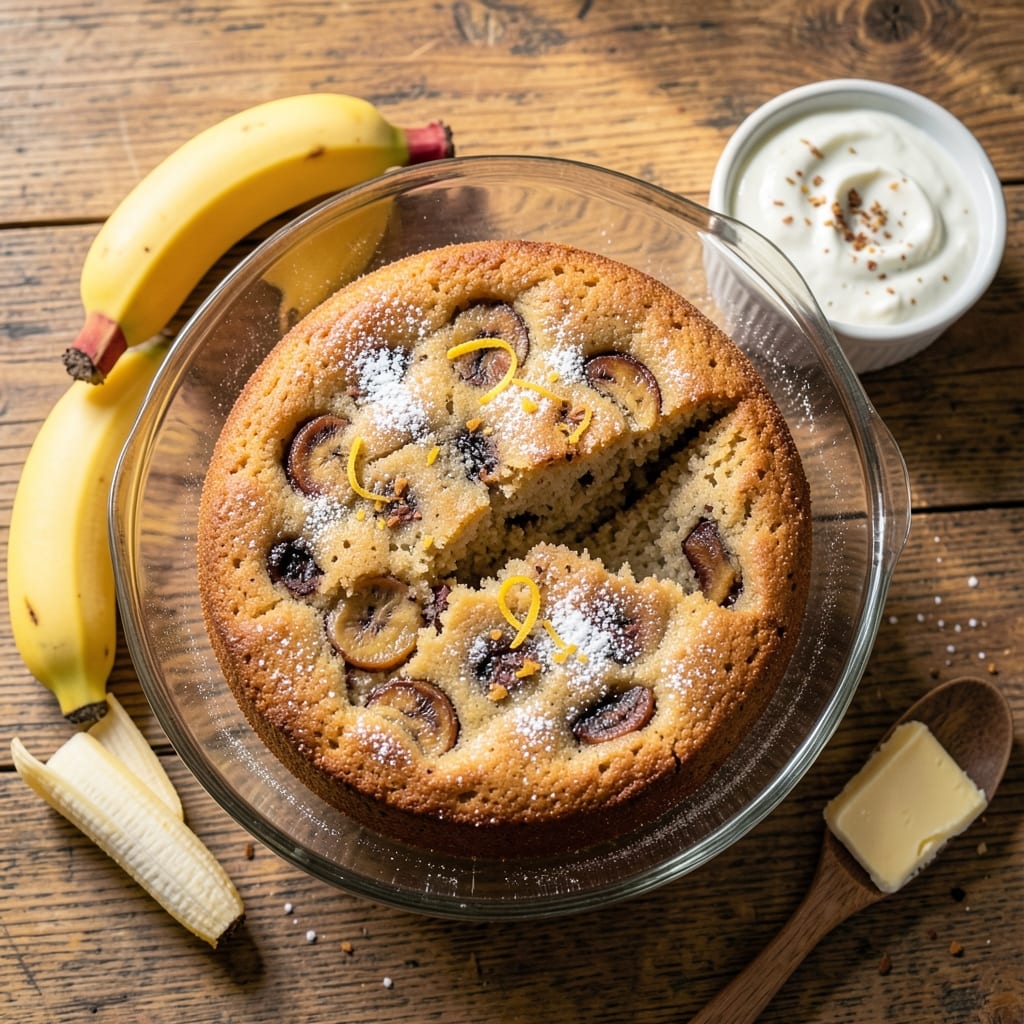
This gluten-free banana cake using rice flour delivers the perfect balance of moist texture and subtle nutty depth—without sacrificing flavor. The secret lies in rice flour's ability to absorb moisture while maintaining a tender crumb, making every slice rich and satisfying. Unlike traditional wheat-based cakes, this version stays light yet hearty, ideal for those avoiding gluten or seeking a naturally dense dessert.
With ripe bananas as the star, this cake combines simple ingredients for a foolproof bake that's naturally sweetened and packed with warmth. The nutty undertones from rice flour complement the bananas beautifully, while a touch of cinnamon and baking powder ensures a perfectly risen, golden-brown top. Serve it warm with a dollop of yogurt or fresh berries for a dessert that feels indulgent yet wholesome.
Ingredients for banana cake recipe using rice flour
Ripe bananas and rice flour create a gluten-free cake with nutty depth and perfect moistness.
| Ingredient | Amount | Notes |
|---|---|---|
| Ripe Bananas 🍌 | 2 ½ cups | Mashed, about 3-4 medium |
| Rice Flour 🌾 | 2 ½ cups | Fine grind preferred |
| Granulated Sugar 🍚 | 1 cup | Or coconut sugar |
| Light Brown Sugar 🍚 | ½ cup | Packed for moisture |
| Unsalted Butter 🧈 | ¾ cup | Room temperature |
| Large Eggs 🥚 | 2 whole | Room temperature |
| Vanilla Extract 🍯 | 2 tsp | Pure extract preferred |
| Baking Powder 🧂 | 2 tsp | Diamond Crystal preferred |
| Ground Cinnamon 🌿 | 1 ½ tsp | Freshly ground ideal |
| Salt 🧂 | ½ tsp | Fine sea salt |
| Plain Greek Yogurt 🥛 | ½ cup | Full-fat for richness |
| Chopped Walnuts 🌰 | ½ cup | Optional for texture |
| Extra-Virgin Olive Oil 🫒 | 1 tbsp | For greasing pan |
Rice flour is the star here—look for fine grind at specialty stores like Whole Foods or Bob's Red Mill online for consistent results. The flour absorbs moisture differently than wheat, so don't substitute with almond or coconut flour unless you're prepared for texture changes. For bananas, overripe (black spots) yields the sweetest flavor and richest texture—those are the ones to grab. The Greek yogurt adds moisture and protein without dairy heaviness, while walnuts provide that subtle crunch. If you can't find rice flour locally, Amazon delivers quickly, but plan ahead as it's a pantry staple worth stocking.
No Greek yogurt? Plain dairy yogurt or sour cream works in a pinch, though the texture will be slightly denser. Substituting applesauce for half the yogurt keeps it lighter. For the sugar, maple syrup can replace up to 25% of the granulated sugar, but reduce other liquids slightly to maintain balance. The baking powder must be fresh—test by mixing 1 tsp with water; if it fizzes vigorously, it's good. For extra nutty flavor without walnuts, toasted pecans or hazelnuts work beautifully. The olive oil should be light for greasing, but any neutral oil will do.
Store the cake in an airtight container at room temperature for up to 3 days, or in the fridge for 5 days to preserve moisture. For longer storage, freeze slices wrapped in plastic for up to 3 months. Reheat frozen slices in the microwave for 20-30 seconds or bake at 300°F for 10 minutes for best texture. The rice flour-based cake reheats beautifully—this is when the nutty depth truly shines. Portion before freezing for easy single-serving treats.
Why You'll Love This Recipe
- No Muffin Tin Needed: I swear by this—just mix, pour, and bake. The rice flour gives it that tender crumb without needing to fuss over layers or frosting. Honestly, my 10-year-old could do it (and has, more than once).
- Banana Butter Magic: That combo of ripe bananas and brown sugar? It’s like dessert hugs your taste buds. The butter keeps it moist without being greasy, and the rice flour adds a subtle nuttiness that makes it taste way more gourmet than it is.
- Breakfast or Snack: Slice it warm with a smear of cream cheese for breakfast, or pack it in lunchboxes—it’s that adaptable. Even my picky husband grabs a piece when he’s craving something sweet but not cake-y.
- Budget-Friendly Staples: Rice flour and overripe bananas? Those are pantry gold. No fancy ingredients, no waste—just pure, satisfying cake that doesn’t break the bank. Leftovers? They vanish faster than I can say “second slice.”
Step-by-step instructions for banana cake using rice flour
Here's the method for a perfectly moist, gluten-free banana cake with nutty depth and ideal texture.
Prepare the Banana Mixture
In a large mixing bowl, combine the 2.5 cups ripe bananas with the 0.5 cup plain Greek yogurt and 2 tsp vanilla extract. Mash the bananas thoroughly with a fork or potato masher until completely smooth—no lumps should remain. This step ensures even distribution of moisture throughout the batter, which is critical for that signature tender crumb.
The yogurt adds protein and acidity that reacts with the baking powder, while the vanilla extract enhances the natural sweetness of the bananas. At this stage, you should have a thick, pudding-like consistency. If the mixture appears too thin, let it sit for 5 minutes while you prepare the dry ingredients—this allows the starches to slightly thicken.
Mix Wet Ingredients with Butter and Sugars
In a separate medium bowl, cream together the 0.75 cup unsalted butter (at room temperature), 1 cup granulated sugar, and 0.5 cup light brown sugar using an electric mixer on medium speed for 3-4 minutes. The mixture should become pale and fluffy, nearly doubling in volume. This aeration is essential for creating a light, airy texture in the final cake.
Add the 2 whole large eggs, one at a time, mixing well after each addition. Scrape down the sides of the bowl to ensure all ingredients are fully incorporated. The butter should be completely emulsified with the sugars by this point—you'll see ribbons form when the mixer is lifted. This step forms the structural foundation of your cake, ensuring it rises properly in the oven.
Combine Wet and Dry Ingredients
Gradually add the 2.5 cups rice flour, 2 tsp baking powder, 1.5 tsp ground cinnamon, and 0.5 tsp salt to the wet mixture. Mix on low speed just until combined—you should still see some flour streaks. Overmixing develops gluten, which would make the cake dense rather than tender. The rice flour provides that signature moistness while maintaining a gluten-free structure.
Fold in the 0.5 cup chopped walnuts (if using) and the banana mixture from Step 1 using a spatula. Mix gently until just combined—you're looking for a thick batter that holds its shape when spooned. The walnuts add a delightful crunch and nutty depth that complements the sweetness. If the batter appears too thick, add 1-2 tablespoons of water to achieve a smooth, pourable consistency.
Prepare and Bake the Cake
Preheat your oven to 350°F. Lightly grease an 8-inch round cake pan or 9x13-inch baking dish with 1 tablespoon extra-virgin olive oil, then line the bottom with parchment paper for easy removal. Pour the batter into the prepared pan and smooth the top with a spatula. Tap the pan gently on the counter to release any air bubbles that may have formed.
Bake for 35-40 minutes until a toothpick inserted in the center comes out clean or with just a few moist crumbs. The edges should be golden brown while the center remains slightly springy to the touch. Rice flour cakes tend to brown more slowly than wheat flour cakes, so keep an eye on them starting at the 30-minute mark. The cake is done when it passes both the toothpick test and the visual golden-brown checkpoint.
Cool and Serve
Remove the cake from the oven and let it cool in the pan for 10 minutes. Then transfer it to a wire rack to cool completely. The cooling process is crucial—it allows the cake to set properly and prevents a gummy texture. For best results, serve the cake at room temperature, which enhances its natural sweetness and moist texture.
This banana cake using rice flour delivers on its promises: a gluten-free structure with exceptional moisture and nutty depth from the walnuts. The combination of ripe bananas and Greek yogurt creates that signature tender crumb, while the cinnamon adds warmth that complements the natural sweetness. Each slice should be soft yet sturdy, with a delicate crumb that practically melts in your mouth.
Pro Tips For Making Banana Cake Recipe Using Rice Flour
- Mash Bananas Roughly: Skip the food processor—hand-mashing with a fork leaves just enough texture to keep the cake tender. Over-blending turns bananas into glue, and this batter needs grip to hold its shape. (Yes, even if you're impatient like me.)
- Weigh Your Rice Flour: Rice flour is deceptive—scooping it by volume leads to dry, crumbly cake. Use a kitchen scale for 1:1 accuracy, especially if your recipe calls for 1½ cups. Trust me, the difference in moisture retention is night and day.
- Brown the Butter First: Nutty, caramelized butter elevates this cake way beyond basic. Swap 2 tablespoons of the unsalted butter for browned—just let it cool slightly before mixing into the batter. The flavor payoff is worth the 5 extra minutes.
- Test Doneness with a Toothpick: Rice flour cakes set differently than wheat-based ones—pull the cake when the toothpick comes out with moist crumbs, not wet batter. Overbaking turns it into a rubbery brick. (I learned this after a sad, gummy first attempt.)
Make-ahead tips for this banana cake recipe using rice flour
Prep Ahead Strategy
Make the batter up to 24 hours in advance and store it in an airtight container in the fridge. The flavors deepen overnight, and the rice flour absorbs moisture more evenly, resulting in an even moister cake. When ready to bake, let the batter sit at room temperature for 30 minutes before pouring into the pan—this prevents cold spots in the oven. 🌟
Freezer-Friendly Layers
Bake the cake fully, then cool completely before wrapping each layer tightly in plastic wrap followed by aluminum foil. Store in the freezer for up to 3 months. To serve, thaw at room temperature for 2 hours or warm slices in the microwave for 20 seconds—this reactivates the nutty depth from the rice flour. Perfect for last-minute gatherings!
Portion Control
Slice the cake into 8 equal servings while still warm (about 1 hour after baking) for clean cuts. Wrap individual slices in parchment paper and store in a freezer bag for 1 month. Reheat frozen slices in a 350°F oven for 10 minutes or microwave for 25 seconds—they'll be just as moist as fresh!
Make-Ahead Frosting
Prepare a simple cream cheese frosting (mix 4 oz cream cheese, 2 tbsp butter, 1 cup powdered sugar, and 1 tsp vanilla) up to 3 days ahead. Store in an airtight container in the fridge. Spread on cooled cake layers just before serving—this keeps the texture light and fluffy. The contrast of the nutty cake with the tangy frosting is unbeatable. ✨
Banana Prep Shortcut
Peel and slice 3-4 bananas the night before, then store in a sealed container with a paper towel to absorb excess moisture. This prevents browning and makes morning prep a breeze. The bananas will be perfectly ripe for mashing—no last-minute scrambling! 🍌
Oven Prep Tip
Preheat your oven 15 minutes early to ensure it reaches 350°F consistently. Place a baking sheet on the lower rack to catch any drips, especially if using a 9x13-inch pan. The rice flour can create a slightly sticky batter, so this prevents messes. Trust me, this small step saves cleanup time later! 🔥
Nutrition facts
Frequently asked questions
Why use rice flour instead of regular flour in banana cake?
Rice flour creates a naturally gluten-free, moist texture with subtle nutty depth that complements bananas beautifully. It absorbs moisture differently than wheat flour, resulting in a tender crumb that stays soft longer. The cake also has a delicate, slightly chewy quality that's perfect for those avoiding gluten or looking for a lighter dessert.
Can I substitute rice flour with another gluten-free flour?
While possible, results vary significantly. Almond flour creates a denser cake, while coconut flour requires more liquid and baking time. For best texture, stick with rice flour—it's specifically chosen for its ability to maintain moisture while keeping the cake light. If you must substitute, try a 1:1 blend of rice flour with 1 tsp xanthan gum per cup to improve structure.
How do I know when my bananas are ripe enough?
Look for bananas with black spots and slightly soft skin—these are perfect for baking. The darker the spots, the sweeter and more flavorful the cake will be. For extra insurance, refrigerate the bananas for 24 hours before using to enhance their natural sweetness. Overripe bananas work best—they're the secret to that rich, caramel-like flavor in every bite.
Why did my cake turn out dense instead of moist?
This usually happens from overmixing the batter (which develops gluten) or not creaming the butter and sugars properly. For rice flour cakes, mix dry ingredients just until combined and avoid overworking the batter. Also ensure your butter is fully softened—it should be smooth when pressed but not melted. The cake should be tender, not gummy, when properly baked.
Can I make this cake without yogurt?
Yes! Replace the yogurt with 0.5 cup applesauce or 0.5 cup melted butter (reduced by 2 tbsp from the recipe). The yogurt adds moisture and protein that helps create the signature tender crumb, but these substitutes work in a pinch. For best results, use a mix of 0.25 cup yogurt substitute + 0.25 cup extra mashed banana to maintain balance.