
Desserts
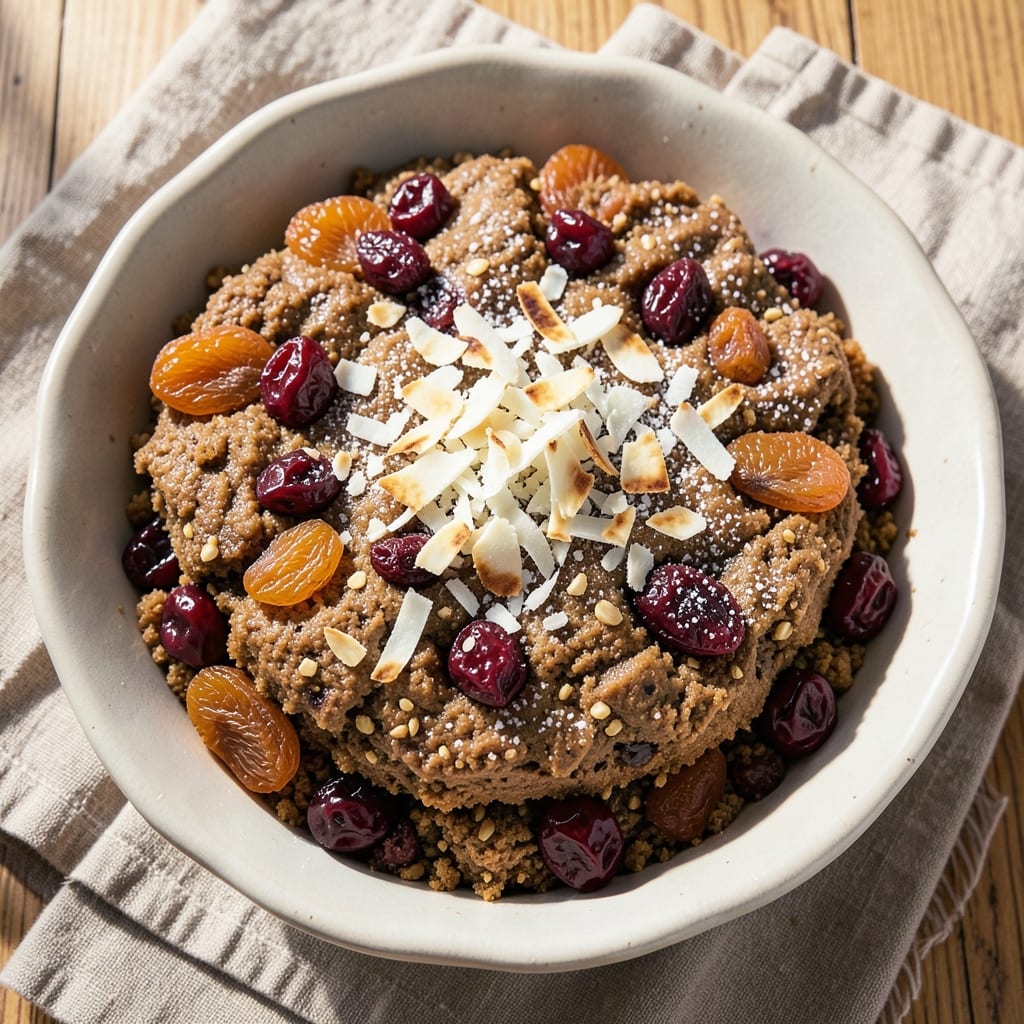
This almond flour fruit cake delivers all the moist, nutty richness of classic fruit cake—without the gluten or heavy texture. The secret lies in almond flour's natural moisture retention and the perfect balance of dried fruit, citrus zest, and warm spices that keep every slice tender for days. After years of perfecting this recipe, I've finally cracked the code for a cake that's light enough to eat fresh but still holds up beautifully when stored.
What sets this recipe apart is the combination of almond flour and a touch of coconut oil, which creates a delicate crumb that's neither dry nor crumbly. The fruit—traditionally a mix of dried apricots, cherries, and cranberries—absorbs the moist batter beautifully, while a splash of brandy adds depth that makes this cake taste like a bakery specialty. The citrus zest brightens the nutty base, ensuring each bite is balanced and vibrant.
By the time it emerges from the oven, you'll have a golden-domed cake with a tender crumb and just the right amount of chew from the fruit. The aroma alone—warm spices, toasted almonds, and caramelized fruit—will have everyone gathering around the kitchen. This is the kind of dessert that's perfect for holidays, gifts, or simply treating yourself to something truly special.
The best part? It keeps getting better with age. The flavors deepen and the texture becomes even more moist as it sits, making it ideal for baking ahead. Serve it plain, with a dusting of powdered sugar, or with a light cream cheese frosting for an extra layer of indulgence. Here's how to make it—your taste buds will thank you.
Ingredients for almond flour fruit cake
Eight slices of nutty, moist perfection—no gluten, all flavor. Here’s how to make it happen.
| Ingredient | Amount | Notes |
|---|---|---|
| Almond Flour 🌰 | 2 ½ cups | Finely ground, unsweetened |
| Dried Apricots 🍑 | 1 cup | Chopped into small pieces |
| Dried Cherries 🍒 | 1 cup | Pitted and chopped |
| Dried Cranberries 🍇 | ½ cup | Chopped for texture |
| Unsweetened Coconut Flakes 🥥 | ½ cup | Toasted for extra flavor |
| Granulated Sugar 🍚 | 1 cup | For sweetness balance |
| Light Brown Sugar 🍯 | ½ cup | Packed, for moisture |
| Large Eggs 🥚 | 4 whole | Room temperature preferred |
| Unsweetened Almond Milk 🥛 | 1 cup | For moisture and richness |
| Melted Coconut Oil 🫒 | ½ cup | Cool before using |
| Pure Vanilla Extract 🌿 | 1 tbsp | High-quality preferred |
| Brandy 🍷 | ¼ cup | Optional for depth |
| Ground Cinnamon 🌶️ | 1 ½ tsp | Freshly ground preferred |
| Ground Nutmeg 🌿 | ½ tsp | Freshly grated preferred |
| Ground Cloves 🌶️ | ¼ tsp | Freshly ground for warmth |
| Orange Zest 🍊 | 1 tbsp | Freshly grated |
| Baking Powder 🍞 | 1 tsp | For lightness |
| Salt 🧂 | ½ tsp | Fine sea salt |
Almond flour is the star here, so don’t skimp on quality. Bob’s Red Mill or Anthony’s Goods are my go-tos—they’re finely ground and consistently flavorful. If you’re buying in bulk, check the expiration date; almond flour goes rancid fast. For the dried fruit, Trader Joe’s has the best selection of organic, unsulfured varieties—look for plump, vibrant pieces. The coconut flakes? Toast them in a dry pan for 2-3 minutes until golden—that extra crunch and aroma make all the difference. If you can’t find unsweetened, use regular and reduce the granulated sugar by 1 tbsp.
No brandy? Substitute apple cider or orange juice—it’ll still add brightness, just without the boozy depth. Freshly grated citrus zest is non-negotiable here; bottled zest tastes like sad, dusty memories. Running low on vanilla? Split a vanilla bean and scrape the seeds into your extract—game changer. The spices? Penzeys sells pre-ground blends, but if you’ve got whole spices, toast and grind them fresh. For the coconut oil, Virginians brand is my favorite—it’s organic and has a neutral flavor. If you accidentally grab sweetened coconut flakes, just reduce the sugar by 1 tbsp to balance.
This cake only gets better with time—3-4 days is ideal for maximum flavor development. Wrap tightly in plastic wrap, then foil, and store at room temperature. For longer storage, freeze slices individually wrapped for up to 3 months. The brandy-infused version? Wait 48 hours before slicing—it needs time to mellow. Dust with powdered sugar right before serving, or pair with a light cream cheese glaze for extra indulgence. Leftovers? Toss them in the toaster for a quick, moist breakfast treat.
Why You'll Love This Recipe
- No Mixer Needed: I swear by this recipe when my hands are full—just toss the almond flour, dried fruit, and coconut flakes into a bowl, stir, then press into a pan. The texture comes together like magic, no electric appliances required.
- Fruit-Packed Richness: Those dried apricots, cherries, and cranberries aren’t just decoration—they burst with concentrated sweetness and chewy texture in every bite, while the almond flour keeps it moist without being heavy. Honestly, it’s the kind of flavor that makes you want to bake it twice in one week.
- Holiday or Snack Attack: This cake is my go-to for Christmas gifts (it travels well!) but also for when I’m craving something sweet mid-afternoon. Slice it thin for tea sandwiches or serve it warm with coconut whipped cream—it’s that adaptable.
- Budget-Friendly Pantry Staple: I’ve made this with store-brand dried fruit and bulk almond flour, and it’s still delicious. The coconut flakes add a luxurious touch for pennies, and leftovers keep for weeks in an airtight container. Not to mention, it’s way cheaper than buying fancy bakery cakes.
Step-by-step instructions for almond flour fruit cake
This cake delivers rich, moist texture without a crumb of gluten—here's how to make it perfect every time.
Prep the Dried Fruits for Maximum Flavor
In a medium bowl, combine the 1 cup dried apricots, 1 cup dried cherries, and 0.5 cup dried cranberries. Pour the 0.25 cup brandy over them and let soak for at least 30 minutes (or overnight for deeper flavor). This step ensures the fruits rehydrate and absorb all that boozy richness.
After soaking, drain the fruits in a fine-mesh strainer, pressing gently to remove excess liquid. Then, roughly chop them into small, even pieces—this prevents large chunks from sinking to the bottom during baking. Toss the chopped fruits with the 0.5 cup toasted unsweetened coconut flakes and set aside. The coconut adds a lovely crunch that balances the cake's tender crumb.
Mix Wet Ingredients for Perfect Texture
In a large mixing bowl, whisk together the 4 whole large eggs (room temperature if possible) with the 1 cup granulated sugar and 0.5 cup packed light brown sugar until fully combined and slightly thickened. This mixture should be smooth and pale yellow—no streaks of sugar should remain.
Next, stir in the 0.5 cup melted coconut oil (cooled to room temperature), 1 tbsp pure vanilla extract, and the 1 tbsp freshly grated orange zest. The orange zest adds a bright, citrusy note that cuts through the richness of the almond flour. Mix until everything is homogenous and the batter looks like a silky custard. This step ensures the cake stays moist without becoming dense.
Combine Dry Ingredients and Fold in Fruits
In a separate bowl, sift together the 2.5 cups almond flour, 1.5 tsp ground cinnamon, 0.5 tsp ground nutmeg, 0.25 tsp ground cloves, 1 tsp baking powder, and 0.5 tsp salt. Whisk gently to distribute the spices evenly—this prevents pockets of dry flour that could make the cake crumbly.
Gradually add the dry mixture to the wet ingredients, mixing on low speed with a hand mixer or spatula until just combined. Avoid overmixing—you should still see some streaks of flour. Finally, gently fold in the prepared fruit mixture, being careful not to deflate the batter. The goal is to distribute the fruits evenly without tearing the cake's structure.
Bake to Golden Perfection
Preheat your oven to 350°F and grease an 8-inch round cake pan or line it with parchment paper. Pour the batter into the prepared pan and smooth the top with a spatula. Bake for 45-50 minutes, until a toothpick inserted into the center comes out clean and the edges are golden brown. The cake should spring back slightly when pressed gently in the center.
If the top browns too quickly, tent the cake with aluminum foil after 25 minutes to prevent over-browning while ensuring the center cooks through. The almond flour can dry out faster than traditional flour, so keep an eye on it during the last 10 minutes of baking. Let the cake cool in the pan for 10 minutes, then transfer to a wire rack to cool completely before slicing.
Serve with Confidence
Once fully cooled, slice the cake into 8 equal wedges and serve. The texture should be moist and tender with a delicate crumb, while the dried fruits add bursts of sweet-tart flavor in every bite. The brandy-infused fruits and warm spices make this cake especially comforting—perfect with a cup of tea or coffee.
For extra indulgence, dust the top with powdered sugar or drizzle with a simple almond milk glaze (mix 0.25 cup powdered sugar with 1 tbsp almond milk). Store leftovers in an airtight container for up to 5 days or freeze for 3 months. This cake keeps beautifully and tastes even better the next day as the flavors meld!
Pro Tips For Making Almond Flour Fruit Cake
- Soak the Fruit Overnight: I learned this the hard way—dried fruit in almond flour cake needs hydration, or you’ll end up with a dense, chewy mess. Toss the apricots, cherries, and cranberries in warm tea (or fruit juice) for at least 8 hours. The extra moisture keeps the cake tender without making it soggy, and the fruit plumps up beautifully. (Yes, even if you’re impatient like me.)
- Mix Dry Ingredients First: Almond flour loves air—whisk it with your sweetener and leavening before adding wet ingredients. This prevents lumps and ensures the coconut flakes distribute evenly. I skip the food processor here; a fork works fine, but don’t overmix or you’ll develop gluten and ruin the texture.
- Bake Low and Slow: Almond flour cakes dry out fast, so resist the urge to crank the oven to 350°F. Start at 325°F for 30 minutes, then drop to 275°F for the remaining 45–55 minutes. A toothpick should come out clean, but the center might still feel slightly moist—let it cool completely before slicing.
- Toast the Coconut Flakes: Unsweetened coconut flakes taste bland straight from the bag. Pulse them in a food processor for 10 seconds to break up clumps, then toast in a dry pan over medium heat for 2–3 minutes until golden and fragrant. The aroma alone makes the cake taste richer, and they add a pleasant crunch. (No, you don’t need to caramelize them—just warm and nutty.)
Troubleshooting great almond flour fruit cake
Cake Too Dense
If your cake turns out denser than expected, it’s likely due to overmixing the batter or using almond flour that’s too coarse. To fix this, mix the dry ingredients and wet ingredients separately until just combined, then gently fold in the fruit mixture—overmixing develops gluten-like proteins in almond flour, making the texture heavy. Also, ensure your almond flour is finely ground; if it’s clumpy, pulse it in a food processor for 30 seconds before measuring. 💫
Dry or Crumbly Texture
A dry or crumbly cake usually means the almond flour absorbed too much moisture or the oven temperature was too high. First, check your oven’s accuracy—use an oven thermometer to confirm it’s hitting 350°F. If your cake still dries out, reduce the baking time by 5 minutes and tent it with foil after 25 minutes to retain moisture. For extra insurance, brush the cooled cake with 1 tbsp almond milk before serving—it’ll revive the crumb instantly.
Fruits Sink to Bottom
Large, uneven fruit pieces can sink during baking, creating a heavy bottom layer. To prevent this, chop the dried fruit into small, even pieces (about ¼ inch) before folding them into the batter. If you notice sinking after baking, slice the cake horizontally to create two layers, then flip the top layer to the bottom for a uniform texture. For future bakes, toss the fruit with 1 tbsp flour before adding it to the batter—this helps them distribute evenly. 🍑
Overly Sweet or Bitter Taste
An unbalanced sweetness or bitterness often comes from using too much sugar or almond flour that’s gone rancid. Start by measuring your sugars precisely—1 cup granulated and ½ cup brown sugar are the sweet spot for this recipe. If the cake tastes bitter, your almond flour may be old; store-bought almond flour typically lasts 3 months in the pantry or 6 months in the freezer. For a quick fix, add ½ tsp extra vanilla extract or a pinch of salt to balance flavors.
Cake Sticks to Pan
Almond flour cakes are prone to sticking because they lack gluten’s structure. To prevent this, grease your 8-inch pan thoroughly with coconut oil and line it with parchment paper, ensuring the paper extends up the sides. If the cake still sticks, let it cool in the pan for the full 10 minutes before transferring to a wire rack—this helps the edges set. For stubborn cakes, run a thin knife around the edges before inverting onto a plate. 🧂
Uneven Baking or Raw Center
An uneven bake usually means the oven wasn’t preheated long enough or the cake pan wasn’t placed on the middle rack. Preheat your oven for 15 minutes before baking, and use an oven thermometer to confirm the temperature. If the center stays raw, increase the bake time by 5-minute increments until a toothpick comes out clean. For future bakes, try rotating the pan halfway through cooking to ensure even heat distribution.
Nutrition facts
Frequently asked questions
Can I make this almond flour cake without eggs?
Yes! For a vegan version, replace the 4 eggs with 4 tbsp ground flaxseed mixed with 10 tbsp water (let sit for 5 minutes to thicken). Alternatively, use 1 cup unsweetened applesauce or 1 silken tofu puree for moisture. The texture will be slightly denser but still moist. Let the cake bake 5-10 minutes longer to ensure doneness.
What's the best way to store leftover almond flour cake?
Wrap tightly in plastic wrap, then foil, and store at room temperature for up to 5 days. For longer storage, freeze slices individually wrapped for 3 months. The flavors actually improve with time—wait 3-4 days before slicing for maximum depth. If the cake dries out, brush with 1 tbsp almond milk before serving to revive the moisture.
Can I substitute other nuts for almond flour?
While almond flour works best for its fine texture, you can try hazelnut or cashew flour in a 1:1 ratio. Hazelnut adds a deeper flavor, while cashew flour makes the cake slightly richer. Avoid walnut flour—it's too coarse and can make the cake crumbly. If substituting, reduce the coconut oil by 1 tbsp since nut flours vary in fat content.
How do I adjust the recipe for a 9-inch cake pan?
For a 9-inch pan, reduce the oven temperature to 325°F and bake for 50-55 minutes. The larger surface area means slower cooking. Line the pan with parchment paper and grease well—almond flour cakes are prone to sticking. You may need to tent with foil after 30 minutes to prevent over-browning while ensuring the center cooks through.
What fruits work best in this recipe?
The classic combo of dried apricots, cherries, and cranberries works perfectly, but