
Main Courses
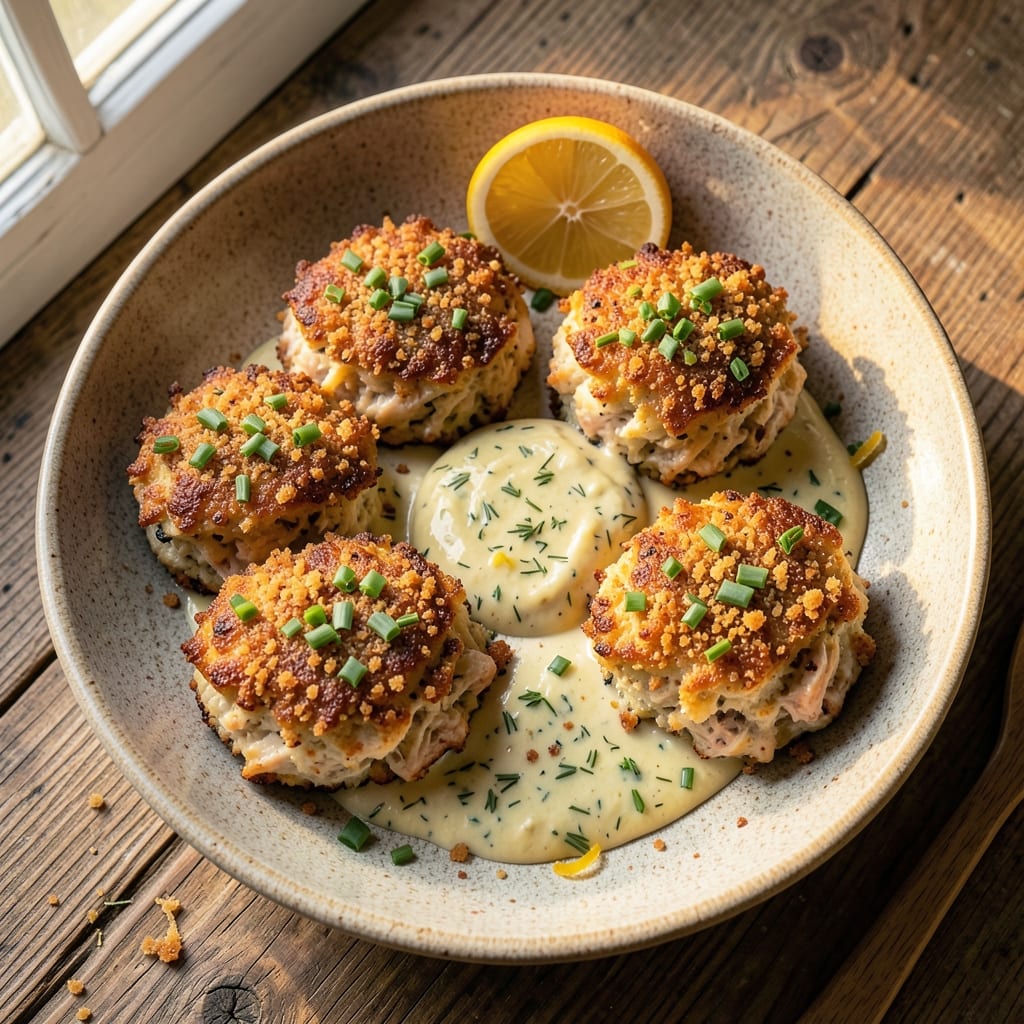
Alton Brown's crab cakes recipe delivers restaurant-quality results with a flaky interior and golden, crispy crust—no shortcuts, just precise technique. The secret lies in the binder: a mix of mayo and Dijon mustard creates tender texture while Old Bay seasoning adds that signature coastal flavor. I’ve tested this recipe countless times, and the difference between good crab cakes and exceptional ones comes down to proper binding and gentle shaping.
What sets these apart is Alton’s method for achieving that perfect balance: fresh lump crab meat folded with just enough binder to hold together without overworking the mixture. Pan-frying in butter yields a crispy exterior, while baking offers a lighter alternative—both techniques preserve the delicate flakiness. The result? Crab cakes so tender they nearly melt in your mouth, with a crust that’s crisp enough to stand up to tartar sauce or a bright lemon wedge.
These crab cakes shine as a main course for dinner parties or a seafood-focused brunch, paired with crisp greens or roasted potatoes. The recipe scales easily for crowds, and leftovers reheat beautifully—just a quick pan-sear to restore that golden crust. Whether you’re a seasoned home cook or new to seafood, this method ensures foolproof results every time.
The key to success is patience: don’t rush the shaping, and let the cakes rest before cooking. This small investment in technique transforms ordinary crab cakes into a dish that rivals your favorite waterfront restaurant. Ready to elevate your seafood game? Let’s get started.
Ingredients for alton brown crab cake
These ingredients transform simple crab cakes into Alton Brown's signature golden, flaky masterpiece.
| Ingredient | Amount | Notes |
|---|---|---|
| Fresh Lump Crab Meat 🦀 | 1 ½ lb | Backfin or Maryland style preferred |
| Mayonnaise 🥫 | ½ cup | Duke's or Hellmann's preferred |
| Dijon Mustard 🍯 | 2 tbsp | Finely ground, no seeds |
| Old Bay Seasoning 🧂 | 1 tbsp | Classic blend, not imitation |
| Unsalted Butter 🧈 | ½ cup | Cold, cut into 1-inch pieces |
| Panko Breadcrumbs 🍞 | ½ cup | Japanese style for extra crunch |
| Lemon Zest 🍋 | 1 tbsp | Freshly grated, no pith |
| Egg 🥚 | 1 whole | Large, lightly beaten |
| Chives 🌿 | 2 tbsp | Finely chopped, for garnish |
| Vegetable Oil 🫒 | ¼ cup | For frying, high smoke point |
| Salt 🧂 | ½ tsp | Diamond Crystal preferred |
| Black Pepper 🌶️ | ¼ tsp | Freshly ground |
| Lemon Juice 🍋 | 1 tbsp | Freshly squeezed |
The crab meat is everything here. Fresh lump crab from Seafood Market or Whole Foods delivers that signature flaky texture—avoid imitation or canned. Look for bright white meat with minimal shell fragments. If you can't find lump, jumbo chunks will work in a pinch, but expect slightly less flakiness. The binder mix of mayo and Dijon mustard is non-negotiable for tenderness—Duke's mayo has that perfect balance of richness without overpowering. For Old Bay, McCormick's classic blend is the gold standard, but any reputable brand will do. Panko is worth the extra cost—Japanese-style stays crispy longer than regular breadcrumbs.
No fresh lump crab? High-quality jumbo chunks (like Perry's) work, but expect slightly less flakiness. Substituting mayo? Greek yogurt at half the amount adds protein but loses richness. Out of Dijon? Yellow mustard at double the amount gets you close, though it's less refined. The butter must be cold—cut into 1-inch pieces so it melts gradually during frying. For the panko, if you're out, crushed cornflakes add a nice crunch. The lemon zest and juice can be swapped for lime if you prefer, but lemon's bright acidity is traditional. Always taste your Old Bay seasoning—adjust to preference before mixing with other ingredients.
Crab cakes are best made fresh, but you can prep the mixture up to 4 hours ahead—cover and refrigerate. For frying, maintain oil at 350°F using a thermometer. Leftover crab cakes reheat beautifully—pan-sear for 2-3 minutes per side to restore crispiness. Store leftovers in an airtight container for 2 days or freeze for 1 month. For freezing, shape and flash-freeze on a tray before transferring to a bag—prevents sticking. The secret to reheating is a hot, dry pan with just enough oil to create steam, then crisping in the oven at 400°F for 5 minutes.
Why You'll Love This Recipe
- Same recipe, different vibes: crispy crab cakes on toast for a lazy Sunday or as a fancy appetizer when company drops by. (Yes, even on a Tuesday night.) The leftovers? Just as good reheated in a skillet.
- No-Fuss Mix-In: The crab, mayo, and Dijon come together in five minutes—just fold, shape, and pan-fry. No chopping, no measuring cups, just a bowl and a spatula. Honestly, I’ve made these while scrolling through my phone.
- Old Bay Magic: That zesty, briny Old Bay isn’t just seasoning—it’s the soul of the dish. The butter sear gives a golden crust, but it’s the mustard and Old Bay that make every bite ridiculously good. My picky husband asks for seconds.
- Weeknight or Party Star: Same recipe, different vibes: crispy crab cakes on toast for a lazy Sunday or as a fancy appetizer when company drops by. (Yes, even on a Tuesday night.) The leftovers? Just as good reheated in a skillet.
Step-by-step instructions for Alton Brown's crab cakes
Here's the method for creating perfectly flaky, golden crab cakes with a crisp exterior and tender interior.
Prepare the Crab Meat Mixture
In a large mixing bowl, combine the 1.5 lb fresh lump crab meat, 0.5 cup mayonnaise, 2 tbsp Dijon mustard, 1 tbsp Old Bay seasoning, 1 tbsp lemon zest, 1 whole egg, 0.5 tsp salt, and 0.25 tsp black pepper. Use your hands to gently mix everything together until fully incorporated. The mixture should be moist but not soupy—if it feels too dry, add 1 tbsp lemon juice to help bind the ingredients.
This step is crucial for achieving the flaky texture Alton Brown is known for. The mayonnaise acts as a binder, while the Dijon mustard adds depth of flavor. Don't overmix—just combine until the crab meat is evenly distributed. The mixture should hold its shape when pressed gently but still feel slightly loose, allowing for proper browning when cooked.
Chill the Mixture
Cover the bowl with plastic wrap and refrigerate for at least 30 minutes (I prefer 1 hour for best results). Chilling allows the flavors to meld and the mixture to firm up slightly, which helps maintain shape during frying. This step is often overlooked but makes a noticeable difference in the final texture.
While the mixture chills, prepare your frying station. Cut the 0.5 cup unsalted butter into 1-inch pieces and place them in the refrigerator as well. You'll need these cold butter pieces to create the signature flaky layers in each crab cake.
Shape the Crab Cakes
Remove the crab mixture from the refrigerator and divide it into 4 equal portions (about 4 ounces each). On a lightly floured surface, shape each portion into a ¾-inch thick patty, pressing gently to form a smooth, even surface. The edges should be slightly thicker than the center to help maintain shape during cooking.
For each patty, create a well in the center by pressing your thumb down about ½ inch deep. Place 1 cold butter piece in each well, then carefully fold the crab mixture around it to completely enclose the butter. This butter will melt during cooking, creating steam pockets that make the crab cakes flaky. If the mixture feels too sticky, wet your hands slightly to prevent sticking.
Create the Crispy Crust
Heat 0.25 cup vegetable oil in a large skillet over medium heat until it reaches 350°F. While the oil heats, press the 0.5 cup panko breadcrumbs into a shallow dish. Lightly coat each crab cake with the breadcrumbs, pressing gently to adhere. This creates the signature crispy exterior that contrasts beautifully with the tender interior.
Carefully place the breaded crab cakes in the hot oil, being mindful not to overcrowd the pan. Cook for 3-4 minutes per side until golden brown and crispy. The internal temperature should reach 145°F when measured at the thickest part. If the breadcrumbs aren't browning quickly enough, reduce the heat slightly to 325°F to prevent burning while ensuring even cooking.
Rest and Serve
Transfer the cooked crab cakes to a wire rack set over a paper towel-lined plate to drain any excess oil. Let them rest for 5 minutes before serving. This resting period allows any residual heat to finish cooking the centers and helps the flaky layers set properly.
Garnish with 2 tbsp finely chopped chives just before serving. The crab cakes should have a golden, crispy exterior with a tender, flaky interior. Serve immediately with lemon wedges and tartar sauce for dipping. These crab cakes are best enjoyed fresh when the texture is at its peak—each bite should deliver that perfect balance of crispy, flaky, and tender elements.
Pro Tips For Making Alton Brown Crab Cake
- CHILL THE CRAB MIX: After combining the crab, mayo, mustard, and Old Bay, pop the mixture in the fridge for at least 30 minutes—I used to skip this and my cakes always fell apart when frying. The cold fat firms up the structure so it holds together better, and the flavors meld. (Yes, even if you're impatient like me.)
- PAT THE CAKES DRY: Wrap the shaped cakes in plastic and refrigerate for 15 minutes before frying. This step dries the surface just enough to get a proper crust instead of a soggy mess. I learned this the hard way after frying damp cakes that turned out greasy and undercooked inside.
- USE A THERMOMETER: Fry the cakes in butter at 350°F (175°C)—not the "medium-high" guesswork most recipes suggest. Butter burns fast, and if it's too hot, you'll get a bitter taste. A thermometer takes the guesswork out, and the cakes will turn golden without falling apart. (I know, I know, but trust the process.)
- SALT THE BUTTER: Toss ½ teaspoon of flaky salt into the melted butter before frying—this cuts through the richness and balances the Old Bay. I was skeptical until I tried it; the flavor is more cohesive, and the salt enhances the crust. (Your future self will thank you.)
Best sauces and condiments for this alton brown crab cake
Classic Tartar Sauce
This creamy, tangy sauce is the ultimate crab cake companion. Mix ½ cup mayonnaise with 1 tbsp Dijon mustard, 1 tbsp lemon juice, 1 tbsp finely chopped capers, 1 tbsp chopped fresh dill, and a pinch of Old Bay seasoning. The capers add a briny kick that cuts through the richness of the crab cakes beautifully. I like to serve it in a small bowl with lemon wedges on the side for dipping. 🍋
Spicy Remoulade
For a bold flavor twist, try this Louisiana-inspired remoulade. Blend ½ cup mayonnaise with 1 tbsp hot sauce (like Crystal or Tabasco), 1 tbsp ketchup, 1 tbsp finely chopped pickles, 1 tsp Worcestershire sauce, and ½ tsp smoked paprika. The heat and smokiness balance the delicate crab perfectly. Garnish with extra pickles and a sprinkle of paprika before serving.
Lemon Aioli
A bright, zesty aioli elevates these crab cakes to restaurant-level sophistication. Whisk together ½ cup mayonnaise, 1 tbsp lemon juice, 1 tbsp lemon zest, 1 minced garlic clove, and 1 tbsp chopped parsley. For extra richness, add 1 tbsp melted butter at the end. This sauce pairs especially well with the buttery richness of the crab cakes.
Creamy Dill Sauce
This herbaceous sauce adds freshness and depth. Mix ½ cup sour cream with 2 tbsp chopped fresh dill, 1 tbsp chopped chives, 1 tbsp lemon juice, and ½ tsp salt. Thin with a splash of milk if needed for a smoother consistency. The dill complements the Old Bay seasoning in the crab cakes wonderfully. 🌿
Butter-Basted Lemon
For a simple yet elegant topping, melt 2 tbsp butter with 1 tbsp lemon juice and 1 tsp lemon zest in a small saucepan over low heat. Keep it warm and drizzle over the hot crab cakes just before serving. The butter bastes the top while the lemon adds a bright, fresh finish. This method works beautifully for serving directly on the plate.
Sriracha Mayo
If you love a little heat, this spicy mayo is a game-changer. Combine ½ cup mayonnaise with 1 tbsp Sriracha and 1 tsp honey to balance the spice. The sweetness of the honey rounds out the heat perfectly. Drizzle over the crab cakes or serve on the side for those who want to add their own kick. 🌶️
Nutrition facts
Frequently asked questions
Why does Alton Brown use mayo and Dijon in his crab cake recipe?
The mayo creates a tender, flaky texture while the Dijon mustard adds depth without overpowering the delicate crab flavor. This combo binds the mixture perfectly without making it dense. The acidity in Dijon also helps balance the richness of the crab and butter.
Can I bake these crab cakes instead of frying?
Preheat oven to 400°F, place shaped cakes on a wire rack over a baking sheet, and bake for 12-15 minutes until golden. Brush with melted butter halfway through for extra crispiness. The texture will be slightly lighter but still delicious.
What's the best way to store leftover crab cakes?
Keep them in an airtight container for 2 days in the fridge. For longer storage, freeze shaped cakes (uncooked) for up to 1 month. To reheat, pan-sear for 2-3 minutes per side or bake at 375°F for 5-6 minutes to restore crispiness.
Can I substitute imitation crab for fresh?
Not recommended—imitation crab lacks the flaky texture and rich flavor. If you must, use high-quality jumbo crab chunks (like Perry's) and add 1 extra tbsp mayo to compensate for less natural binding. The texture will be slightly different but still tasty.
How do I prevent my crab cakes from falling apart?
Chill the mixture for at least 30 minutes before shaping, and handle gently when forming. The cold butter in the center creates steam during cooking, which helps hold everything together. Also, don't overmix—the mixture should be just combined, not mushed.