
Desserts
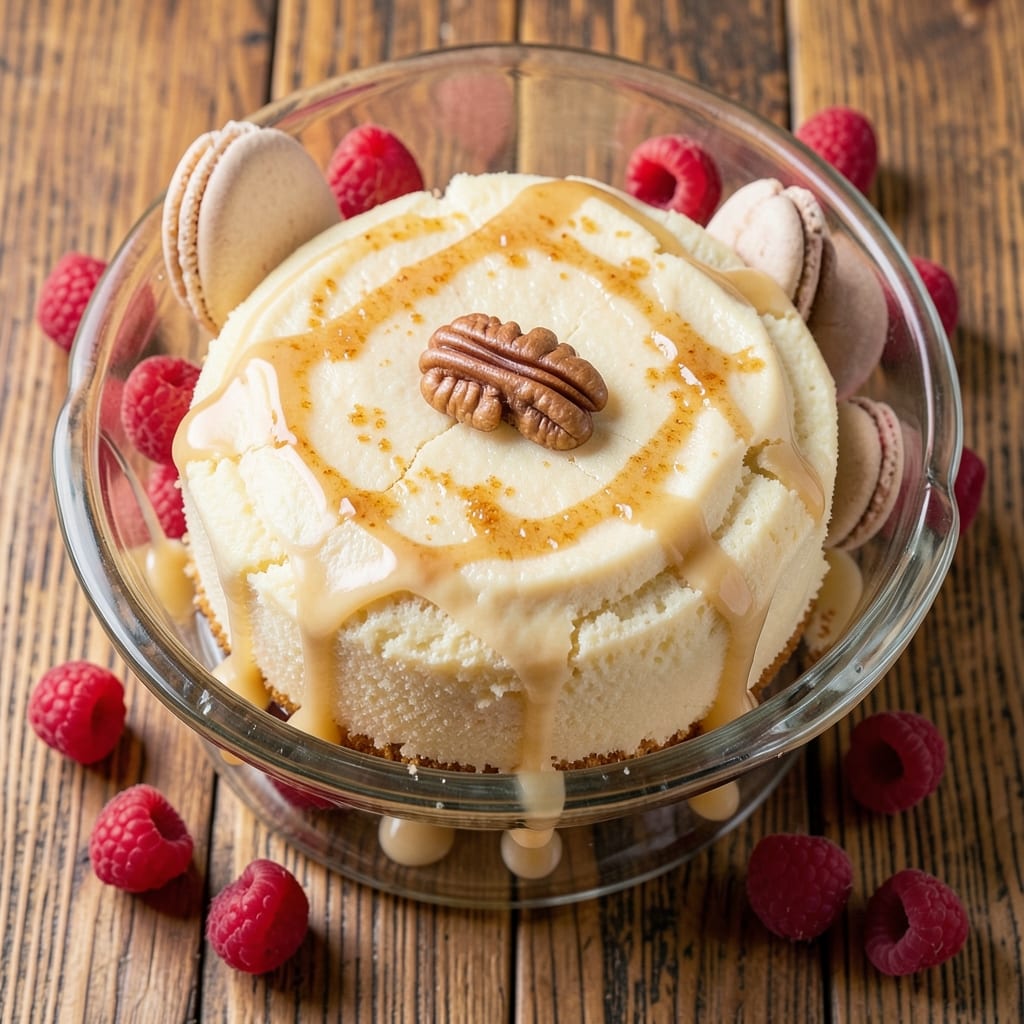
This Amish yellow cake recipe delivers the perfect balance of buttery richness and tender moisture—no fancy techniques required. The secret lies in a simple moisture trick that keeps every slice perfectly soft for days, a hallmark of traditional Amish baking. What makes this recipe special is its reliance on basic pantry staples and minimal mixing, just like the recipes passed down through generations.
What sets this cake apart is the foolproof method that ensures moist layers without dense texture. A touch of sour cream and vegetable oil creates that signature Amish-style tenderness, while vanilla extract adds that warm, comforting flavor. The cake bakes up with a golden crust and fine crumb, making it ideal for celebrations or everyday treats.
Once baked, you'll have a cake that stays moist for days—no drying out, no gummy texture. The buttery vanilla layers pair beautifully with classic Amish-style frosting, whether you prefer a simple vanilla buttercream or a rich cream cheese glaze. This recipe is designed to impress with its simplicity and reliability, just like the recipes that have been cherished in Amish communities for generations.
Perfect for birthdays, church gatherings, or family dinners, this cake delivers restaurant-quality results with minimal effort. The secret moisture trick ensures every slice is tender and flavorful, making it a favorite for both beginners and experienced bakers alike.
Ingredients for amish yellow cake
Twelve simple ingredients create the signature Amish yellow cake—moisture secrets included.
| Ingredient | Amount | Notes |
|---|---|---|
| All-Purpose Flour 🌾 | 2 ½ cups | Sifted for even texture |
| Granulated Sugar 🍚 | 2 cups | White granulated preferred |
| Vegetable Oil 🫒 | 1 cup | Light, neutral flavor |
| Sour Cream 🥛 | ½ cup | Full-fat for moisture |
| Unsalted Butter 🧈 | 1 cup | Softened to room temperature |
| Pure Vanilla Extract 🍯 | 2 tsp | High-quality, pure vanilla |
| Baking Powder 🍞 | 2 tsp | Double-acting preferred |
| Baking Soda 🍞 | ½ tsp | Freshly opened package |
| Salt 🧂 | ½ tsp | Diamond Crystal kosher |
| Large Eggs 🥚 | 2 whole | Room temperature |
| Milk 🥛 | ½ cup | Whole milk preferred |
| White Vinegar 🍶 | 1 tbsp | For moisture activation |
The sour cream and vegetable oil duo is non-negotiable for that signature Amish tenderness. Look for full-fat sour cream—the fat content is what keeps this cake moist for days. For the oil, light vegetable oil (like Crisco) works best, though some bakers prefer melted butter for extra richness. The Diamond Crystal kosher salt is a must—it dissolves completely, unlike table salt. If you're baking in a high-altitude area, increase the baking powder by 0.25 tsp for proper rise. For the vanilla extract, Nestlé Pure or McCormick Pure are reliable brands that deliver authentic flavor.
No sour cream? Plain Greek yogurt works in a pinch, though the texture will be slightly denser. Short on oil? Melted butter can substitute at a 1:1 ratio, but expect a slightly richer flavor. The white vinegar might seem odd, but it reacts with the baking soda to create extra lift—don't skip it. For the flour, sift it before measuring to avoid dense layers. If you're using a mix of all-purpose and cake flour, the ratio should be 2 cups all-purpose to 0.5 cup cake flour for the best crumb. The eggs should be at room temperature—cold eggs can cause the cake to sink in the center.
This cake stays fresh for 5-6 days when wrapped tightly in plastic wrap at room temperature. For longer storage, freeze the entire cake (unfrosted) for up to 3 months. To reheat, wrap the slices in a damp paper towel and microwave for 10-15 seconds—this restores moisture without making the cake gummy. The secret moisture trick means you can frost this cake 24 hours after baking without worrying about soggy layers. For best results, use a vanilla buttercream or cream cheese frosting—both pair perfectly with the cake's tender crumb.
Why You'll Love This Recipe
- No Mixer Needed: I swear by this one—just a bowl and a whisk. The sour cream keeps it tender without overworking, and the oil cuts down on grease mess. Honestly, it’s the kind of cake I make when I’m too tired to measure flour precisely.
- Butter-Soft Moisture: That combo of butter and oil? Chef’s kiss. The cake stays rich and dense for days, not dry or crumbly. Between us, I’ve had it last a week in the fridge—still perfect for breakfast toast.
- Birthday to Picnic: Slather it with frosting for a crowd, or cut it into squares for a potluck. I’ve even served it warm with ice cream at summer gatherings. It’s the one cake that works for anything—no fuss, just flavor.
- Pantry Staples Only: Three ingredients from my basic shelf: sugar, flour, and oil. The sour cream adds richness without costing extra. I’ll be real: this is my go-to when I’m low on fancy ingredients but still want something special.
Step-by-step instructions for Amish yellow cake
Master this classic recipe with professional techniques that guarantee a tender crumb and perfect rise.
Prepare the Moisture Base
In a medium bowl, whisk together the 0.5 cup sour cream, 0.5 cup milk, and 1 tablespoon white vinegar until completely smooth. This combination creates the cake's signature moisture through a chemical reaction that activates the baking powder and soda. Let the mixture sit for 5 minutes to thicken slightly—this ensures even distribution when mixed with other ingredients.
Here's the secret: the vinegar reacts with the milk proteins, creating a subtle tang that enhances the vanilla flavor while preventing dryness. Don't skip this step—it's what makes this cake stay moist for days. The mixture should thicken to a pudding-like consistency, indicating it's ready for the next stage.
Cream Butter and Sugar
In a stand mixer fitted with the paddle attachment, beat the 1 cup softened unsalted butter and 2 cups granulated sugar on medium speed for 3-4 minutes until light and fluffy. You'll know it's ready when the mixture nearly doubles in volume and becomes pale yellow. This creaming process incorporates air, which creates the cake's signature tender crumb.
The butter should be at room temperature but not greasy—press your finger into it and it should leave a slight indentation. If it's too cold, the cake will be dense; if too soft, it may not rise properly. Scrape down the sides of the bowl occasionally to ensure even mixing. This step is crucial for achieving that classic Amish cake texture.
Combine Wet and Dry Ingredients
Add the 2 whole large eggs, one at a time, mixing on low speed after each addition until fully incorporated. Then add the 2 teaspoons pure vanilla extract and mix for 30 seconds. In a separate bowl, whisk together the 2.5 cups all-purpose flour, 2 teaspoons baking powder, 0.5 teaspoon baking soda, and 0.5 teaspoon salt.
With the mixer on low speed, gradually add the dry ingredients to the wet mixture in three additions, mixing just until combined after each addition. Be careful not to overmix—the batter should be smooth with a few small lumps remaining. The flour mixture should be sifted first to prevent clumping, which ensures an even texture throughout the cake.
Fold in the Moisture Mixture
Gently fold the prepared moisture mixture from Step 1 into the batter using a silicone spatula, mixing just until no streaks remain. The batter will be thick but pourable. This folding technique preserves the air incorporated during creaming while ensuring even distribution of the moisture components.
Here's the professional tip: don't overmix at this stage. The batter should hold its shape when spooned—if it flows like pancake batter, you've mixed too much. The cake's moisture comes from this careful combination of ingredients, and overmixing develops gluten, leading to a tougher texture. The final batter should be smooth with a slight sheen from the oil.
Bake to Golden Perfection
Preheat your oven to 350°F and grease two 9-inch round cake pans thoroughly with vegetable oil, then line the bottoms with parchment paper. Divide the batter evenly between the pans. Bake for 25-30 minutes or until a toothpick inserted in the center comes out clean and the tops spring back when touched.
The cake should have a golden brown top with a slightly domed center—this indicates proper baking. Rotate the pans halfway through baking for even heat distribution. The secret to this cake's moisture lies in the baking time: slightly underbaking by 2-3 minutes ensures a tender crumb. Let the cakes cool in the pans for 10 minutes before transferring to a wire rack to cool completely before frosting.
Pro Tips For Making Amish Yellow Cake
- Whisk Butter First: Don’t just dump everything in the bowl—beat the butter and sugar together until they’re light and fluffy (about 3-4 minutes). I learned this the hard way when my cake turned out dense; the air from whisking is what makes this yellow cake tender. Use room-temperature butter (yes, even in winter) so it blends smoothly.
- Measure Sour Cream Cold: Grab the sour cream straight from the fridge—it should be thick and cool, not room temp. Warmth thins it out, and you’ll end up with a cake that’s more like a sponge than the moist, rich texture you want. Stick to the recipe’s amount (usually ½ cup), but don’t skimp—it’s what keeps this cake from drying out.
- Don’t Overmix the Batter: Once you fold in the dry ingredients, stop mixing the second everything’s just combined. Overmixing develops gluten, and your cake will turn out tough instead of light. The batter should look slightly lumpy—yes, even if it’s not perfect. I used to panic and keep going, and my cakes paid the price.
- Grease Pans Like You Mean It: This isn’t the time to be lazy—coat your pans with butter, then dust them heavily with flour, tapping out the excess. I skip this step sometimes, and the cake sticks like glue. For extra insurance, line the bottom with parchment paper before pouring. Trust me, it’s worth the 30 seconds.
Flavor customization for this amish yellow cake
Classic Vanilla Variations
Swap the pure vanilla extract for vanilla bean paste (like Wilton Vanilla Bean Paste) to add flecks of vanilla bean throughout each slice. For a deeper flavor, infuse the batter with 1 teaspoon vanilla bean seeds scraped from a split pod. I also love adding ½ teaspoon almond extract alongside the vanilla for a subtle nutty note that pairs beautifully with the cake’s buttery richness. 💛
Citrus Brightness Twist
Add 1 tablespoon fresh lemon zest and 1 teaspoon lemon juice to the batter for a bright, citrusy kick. The acidity cuts through the richness while keeping the cake moist. For a more dramatic twist, replace ½ cup of the milk with orange juice—this adds a subtle floral note that complements the vanilla. Always use fresh citrus for the best flavor impact.
Spiced Warmth Options
Incorporate ½ teaspoon ground cinnamon or ¼ teaspoon nutmeg into the dry ingredients for a cozy, spiced variation. For a deeper warmth, add ½ teaspoon pumpkin pie spice (a mix of cinnamon, nutmeg, ginger, and cloves). These spices enhance the cake’s natural sweetness without overpowering it. I recommend using McCormick Ground Spices for consistent flavor.
Chocolate-Inspired Layers
For a decadent twist, fold in ½ cup cocoa powder (like Hershey’s Special Dark into the batter after mixing the dry ingredients. This creates a marbled effect with rich chocolate pockets. Alternatively, add ½ cup semi-sweet chocolate chips (like Ghirardelli Squares) to the batter for a classic chocolate chip variation. The chocolate intensifies the cake’s moisture while adding a luxurious texture.
Fruit-Infused Moisture
Replace ½ cup of the milk with pureed raspberries or blueberries for a fruity depth. The fruit adds natural sweetness and moisture while keeping the cake tender. For a more dramatic effect, fold in ½ cup finely chopped fresh berries (like strawberries or raspberries) just before baking. The fruit will release its juices during baking, creating a lightly fruity cake with bursts of flavor. 🍓
Nutty Crunch Additions
Fold in ½ cup chopped pecans or walnuts into the batter for a delightful crunch. Toast the nuts in a dry skillet over medium heat for 3-4 minutes until fragrant, then chop them finely. For a more subtle texture, use ½ cup crushed graham crackers instead—this adds a buttery crunch that pairs perfectly with the cake’s moisture. Always toast nuts to enhance their flavor before adding them to the batter.
Nutrition facts
Frequently asked questions
Why does this Amish yellow cake stay moist for days?
The secret lies in the combination of sour cream, vegetable oil, and white vinegar—these create a moisture-locking effect. The vinegar reacts with baking soda to activate lift while the fats keep the crumb tender. Unlike many cakes, this recipe avoids butter as the sole fat source, which can dry out over time. The 5-minute rest for the moisture mixture ensures even distribution for maximum tenderness.
Can I make this cake in a bundt pan instead of round pans?
This batter works beautifully in a 10-12 cup bundt pan. Reduce baking time to 40-45 minutes at 350°F and check for doneness with a toothpick. The cake's moisture formula prevents cracking in bundt shapes. Grease the pan thoroughly with oil and dust with flour for easy release. For extra security, use parchment paper for the center tube.
What's the best frosting for this cake?
Classic Amish-style frostings work perfectly: vanilla buttercream or cream cheese frosting complement the cake's tenderness. For a lighter option, try Italian meringue buttercream—its stability handles the cake's moisture well. Avoid overly sweet frostings; this cake's natural richness shines with 2-3 cups of medium-thickness frosting. Chill the cake layers for 1 hour before frosting to prevent melting.
Why did my cake sink in the middle?
This usually happens from one of three issues: overmixing (developing too much gluten), underbaked center, or cold eggs/butter. The batter should hold its shape when spooned—if it flows like pancake batter, you've mixed too much. Bake 2-3 minutes longer if the center seems underdone, and always use room-temperature ingredients. The vinegar-milk mixture must sit for 5 minutes before combining to activate properly.
Can I substitute the vegetable oil with butter?
Yes, but expect a slightly richer flavor and denser texture. Replace the 1 cup vegetable oil with 1 cup melted butter, cooled to 90°F. Reduce the milk by 2 tablespoons to maintain moisture balance. The butter adds wonderful flavor but lacks the neutral fat profile of oil. For best results, use European-style butter (like Plugrá) which has higher fat content.