
Desserts
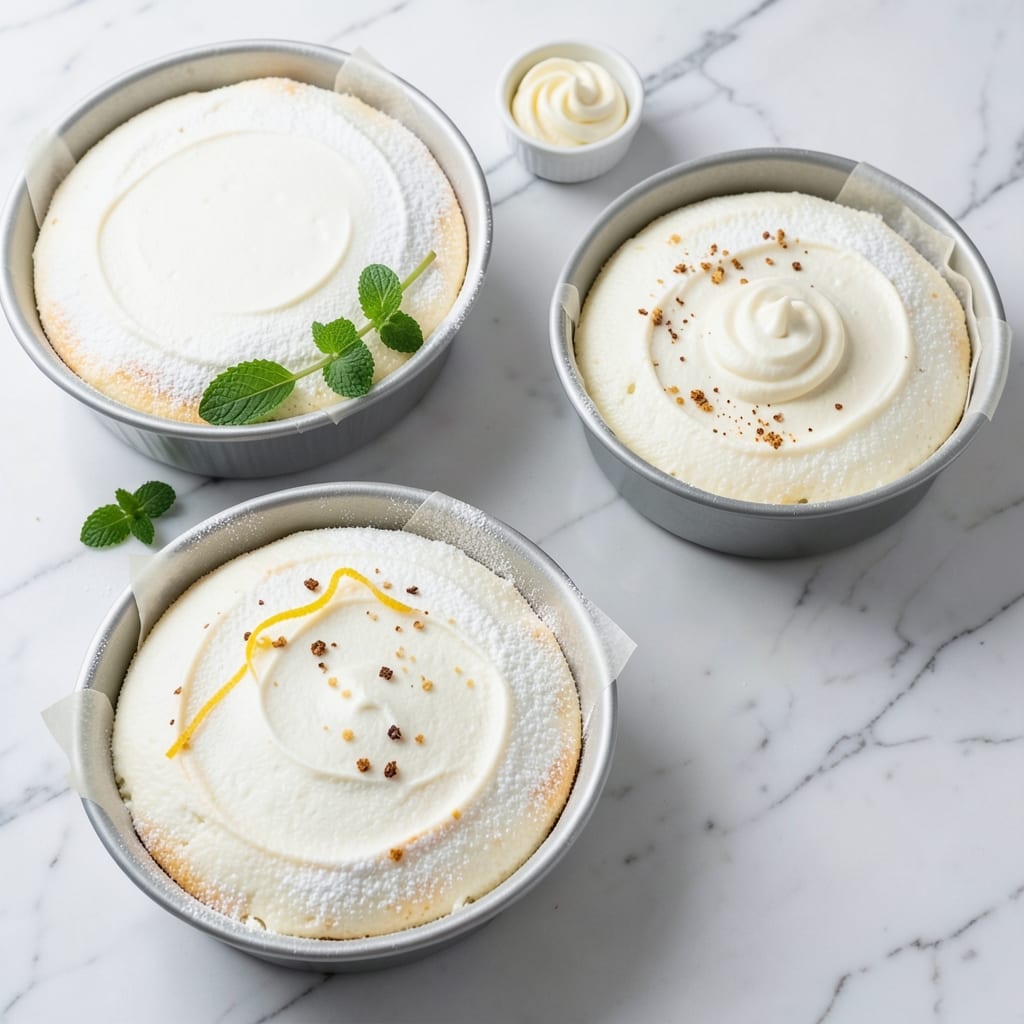
A classic American white cake delivers that perfect balance of tender crumb and delicate sweetness—without the heaviness of dense batters. This recipe has been tested over generations to achieve a light, fluffy texture that pairs beautifully with buttercream frosting, making it ideal for birthdays, weddings, or any celebration. The secret lies in proper mixing techniques and precise ingredient ratios that create air pockets for that signature softness.
The cake itself is simple yet foolproof, requiring just basic pantry staples like all-purpose flour, baking powder, and vanilla extract. What sets this recipe apart is the buttercream frosting, which is rich yet light enough to complement rather than overpower the cake’s delicate flavor. The frosting’s smooth, velvety texture is achieved through careful whipping, ensuring it stays spreadable without becoming too heavy.
Once baked, this cake yields a golden, even-topped loaf with a tender crumb that’s neither dry nor gummy. The frosting, when applied, creates a glossy finish that’s both visually appealing and delicious. Whether you’re a beginner or an experienced baker, this recipe delivers consistent results every time—no advanced techniques required.
Perfect for layering, filling cupcakes, or serving as a standalone dessert, this American white cake is a timeless classic that never goes out of style. The frosting can be customized with flavors like vanilla, lemon, or even chocolate, making it versatile for any occasion. Let’s get started on creating a cake that’s as beautiful as it is delicious.
Ingredients for american white cake
Twelve essential ingredients transform into a classic white cake with light, fluffy layers and velvety buttercream.
| Ingredient | Amount | Notes |
|---|---|---|
| All-Purpose Flour 🌾 | 2 ½ cups | Sifted for even texture |
| Granulated Sugar 🍚 | 2 cups | White granulated preferred |
| Unsalted Butter 🧈 | 1 cup | Room temperature, cubed |
| Large Eggs 🥚 | 4 whole | Room temperature, separated |
| Pure Vanilla Extract 🌿 | 2 tsp | Imitation-free preferred |
| Baking Powder 🧂 | 2 tsp | Aluminum-free for stability |
| Salt 🧂 | ½ tsp | Fine sea salt preferred |
| Milk 🥛 | ½ cup | Whole milk preferred |
| Powdered Sugar 🍚 | 4 cups | For frosting, sifted |
| Heavy Whipping Cream 🥛 | 1 cup | Cold for whipping |
| Vanilla Bean Paste 🌿 | 1 tbsp | Or 1 tsp pure extract |
The flour and butter form the foundation of this recipe—King Arthur all-purpose flour yields the best texture, while Land O'Lakes unsalted butter (or Plugrá for European-style) ensures rich flavor without altering the delicate balance. For the eggs, room temperature is critical; cold eggs create air pockets that collapse during baking. Pure vanilla extract (like McCormick or Lake Champlain) delivers authentic flavor—never imitation. Diamond Crystal baking powder is preferred over aluminum-containing brands for consistent rise. Whole milk enhances moisture without altering the cake's delicate structure.
No powdered sugar? Granulated sugar mixed with 1 tsp cornstarch works in a pinch. Heavy whipping cream can be substituted with cold heavy cream or Greek yogurt for a tangier frosting. Vanilla bean paste adds depth—if unavailable, 1 tsp pure extract suffices. For a vegan adaptation, replace butter with vegan butter (like Miyoko's) and use flax eggs (1 tbsp ground flax + 3 tbsp water per egg). Sift all dry ingredients to prevent dense layers. Room temperature eggs and butter are non-negotiable for optimal texture.
Store cake layers in an airtight container with parchment between them for 3 days at room temperature. Frosting keeps 5 days refrigerated, covered. For longer storage, freeze layers (unfrosted) for 3 months. Re-whip frosting before serving if it separates. Portion into cupcake wrappers for easy serving. Double batches freeze beautifully for future celebrations—just thaw overnight before frosting.
Why You'll Love This Recipe
- No-Fuss Mixing: I swear by the creamy butter-egg combo—just fold, don’t overthink it. That vanilla extract? A splash is all you need for real flavor without fussing.
- Buttery Sweet Magic: The sugar and butter create this melt-in-your-mouth tenderness that’s dangerously addictive. Honestly, I’ve made cakes before, but this one? It’s the kind people finish before dessert even hits the table.
- Versatile Showstopper: Slice it for breakfast, frost it for birthdays, or serve it plain with tea—it’s the blank canvas of cakes. I’ve used it for everything from potlucks to my kid’s school bake sale, and it never disappoints.
- Budget-Friendly Staples: Flour, sugar, butter—these are pantry basics you already own. No specialty ingredients, no wasted money. I’ll be real: this cake costs next to nothing but tastes like you spent hours on it.
Step-by-step instructions for classic American white cake
This method delivers a tender, moist crumb and light-as-air vanilla frosting that stays fresh for days.
Prepare the Cake Batter with Precision
Preheat your oven to 350°F and grease two 9-inch round cake pans with butter, then line the bottoms with parchment paper. In a medium bowl, whisk together the 2.5 cups all-purpose flour, 2 tsp baking powder, and 0.5 tsp salt. Sift the mixture directly into a large mixing bowl to aerate the flour—this prevents dense cake.
In a separate large bowl, cream the 1 cup unsalted butter and 2 cups granulated sugar on medium speed with a mixer until light and fluffy, about 3-4 minutes. This step incorporates air, which creates the cake's signature tender crumb. Add the 4 whole large eggs, one at a time, mixing well after each addition. Scrape down the sides of the bowl to ensure even incorporation.
Gradually add the dry ingredients to the butter mixture, alternating with the 0.5 cup milk. Begin and end with the dry ingredients, mixing on low speed until just combined. Fold in the 2 tsp pure vanilla extract until evenly distributed. The batter should be smooth and slightly thick—if it looks too thin, let it rest for 10 minutes before baking.
Bake for Even Rise and Golden Crust
Divide the batter evenly between the prepared cake pans. Tap each pan gently on the counter to remove any air bubbles. Bake for 25-30 minutes or until a toothpick inserted into the center comes out clean. The cakes should spring back slightly when pressed in the center and have a golden crust.
I recommend rotating the pans halfway through baking to ensure even heat distribution. Overbaking dries out the cake, so remove it from the oven as soon as the toothpick test passes. Let the cakes cool in their pans for 10 minutes before transferring to a wire rack to cool completely. This gradual cooling prevents cracking.
Create the Signature Vanilla Frosting
In a medium bowl, whip the 1 cup heavy whipping cream to soft peaks using a mixer fitted with the whisk attachment. In a separate large bowl, sift the 4 cups powdered sugar to remove any lumps. Add the 1 tbsp vanilla bean paste to the powdered sugar and whisk until fully dissolved.
Gradually fold the whipped cream into the powdered sugar mixture, beginning with half the cream and mixing gently to avoid deflating the whipped cream. Add the remaining cream and mix until smooth and fluffy. The frosting should hold its shape when spread but remain light enough to pipe or spread easily. Chill the frosting in the refrigerator for 15 minutes before using to make it more stable.
Assemble the Cake with Professional Finish
Once the cakes are completely cool, level the tops if necessary using a serrated knife. Place one cake layer on a cake stand or plate and spread a thin layer of frosting over the top to create a "crumb coat." This step prevents crumbs from mixing into the final frosting layer.
Chill the cake for 15 minutes to set the crumb coat, then apply the remaining frosting evenly over the top layer. Place the second cake layer on top and gently press down to secure. Frost the sides of the cake smoothly, using a spatula to create clean, straight edges. For a classic finish, pipe a simple border around the edges or add a swirl pattern for decoration.
Let the cake rest at room temperature for 1 hour before slicing to allow the frosting to set completely. This ensures clean slices and prevents the frosting from sliding off. Store any leftovers in an airtight container in the refrigerator for up to 5 days, bringing to room temperature before serving.
Pro Tips For Making American White Cake
- Weigh the Butter: I learned this the hard way—packing butter cups with a spoon leads to inconsistent volume. Use a kitchen scale for 225g (or 1 cup packed) of unsalted butter. The difference in texture is noticeable, especially when creaming with sugar.
- Mix Dry Ingredients First: Sift flour, baking powder, and salt together before adding wet ingredients. This prevents lumps and ensures even distribution—no one likes a cake with flour pockets. I skip sifting when lazy, but the batter is smoother when I don’t.
- Room-Temp Eggs Matter: Cold eggs? They’ll curdle when hitting warm butter. Let eggs sit in warm water for 10 minutes before cracking. The batter will emulsify better, and your cake won’t have that weird, grainy texture.
- Bake Until Slightly Under: Pull the cake out when the center reads 210°F (93°C) on an instant-read thermometer—it’ll keep rising as it cools. Overbaking dries it out, and no one wants a white cake that tastes like cardboard. (Yes, even if it looks done.)
Troubleshooting this recipe
Cake Too Dense
Overmixing the batter is the #1 cause of dense white cake. Once you've combined all ingredients, stop mixing immediately—just until combined. I use a hand mixer on low speed and stop when no flour streaks remain. Also, ensure your butter and eggs are at room temperature; cold ingredients prevent proper aeration. If your cake still feels dense, try adding 1 extra tablespoon of milk to the batter next time. 💡
Dry or Crumbly Texture
Overbaking is usually the culprit here. Remove your cake from the oven as soon as a toothpick comes out clean—don't wait for it to pull out completely dry. For extra moisture, brush the warm cake layers with 2 tablespoons simple syrup (equal parts sugar and water, heated until dissolved) before frosting. I also recommend storing cake layers in an airtight container with a damp paper towel between them for the first 24 hours. ❄️
Cracked Top or Sides
Sudden temperature changes cause cracking. Let your cakes cool in their pans for 10 minutes before transferring to a wire rack, then cool completely before frosting. If you notice cracks forming during baking, immediately rotate your pans 180 degrees and cover loosely with aluminum foil to slow the baking process. For a quick fix, use a small amount of frosting to fill cracks before applying the final layer. 🔥
Frosting Too Thin
This usually means your whipped cream wasn't cold enough or was overmixed. Always chill your heavy whipping cream in the fridge for 30 minutes before whipping, and use a chilled mixing bowl. If your frosting is too thin, add 1-2 tablespoons more powdered sugar, mixing gently to avoid deflating. For extra stability, let the frosting sit in the fridge for 15-20 minutes before using. 🥛
Uneven Baking
Hot spots in your oven cause uneven baking. Rotate your cake pans halfway through baking for even heat distribution. If one side consistently bakes faster, try placing a baking sheet on the rack below your pans to reflect heat upward. I also recommend using oven thermometers to verify your oven's accuracy—many ovens run 25°F hotter than set. 🌡️
Frosting Not Holding Shape
Warm frosting won't hold its shape properly. Always chill your frosting in the fridge for 15-20 minutes before applying. If your frosting still doesn't hold, it may be too warm. Try adding 1 tablespoon more powdered sugar, which helps stabilize the mixture. For extra support, apply a thin crumb coat first and chill again before adding the final layer. This two-step process creates a professional finish. ✨
Nutrition facts
Frequently asked questions
Can I make this white cake recipe without eggs?
Yes, you can substitute eggs using a flax egg (1 tbsp ground flaxseed + 3 tbsp water per egg) or applesauce (¼ cup per egg). For best texture, reduce the milk by 2 tablespoons and add 1 teaspoon baking soda to help with rise. The cake will be slightly denser but still delicious!
How do I prevent my cake from sinking in the middle?
Ensure your oven is fully preheated to 350°F and don't open the oven door during the first 20 minutes of baking. Tap the pans gently on the counter before baking to remove air bubbles, and avoid overfilling them. For extra insurance, place the pans on a baking sheet to catch any potential spills.
What's the best way to store leftover white cake?
Store unfrosted layers in an airtight container with parchment paper between them at room temperature for 3 days. Once frosted, refrigerate for up to 5 days. For longer storage, freeze unfrosted layers for 3 months. Always bring to room temperature before serving to maintain texture.
Can I use this frosting recipe for cupcakes?
The frosting works perfectly for cupcakes. For a 12-cupcake batch, reduce the powdered sugar to 2 cups and the heavy cream to ½ cup. Pipe or spread directly onto cooled cupcakes. The light texture complements the tender crumb beautifully.
Why does my frosting sometimes separate?
This happens when the whipped cream isn't fully incorporated or the frosting gets too warm. Always chill your mixing bowl and beaters before whipping, and fold the cream gently into the sugar. If separation occurs, simply rewhip the cream portion and fold it back in. For extra stability, chill the frosting for 15 minutes before using.