
Desserts
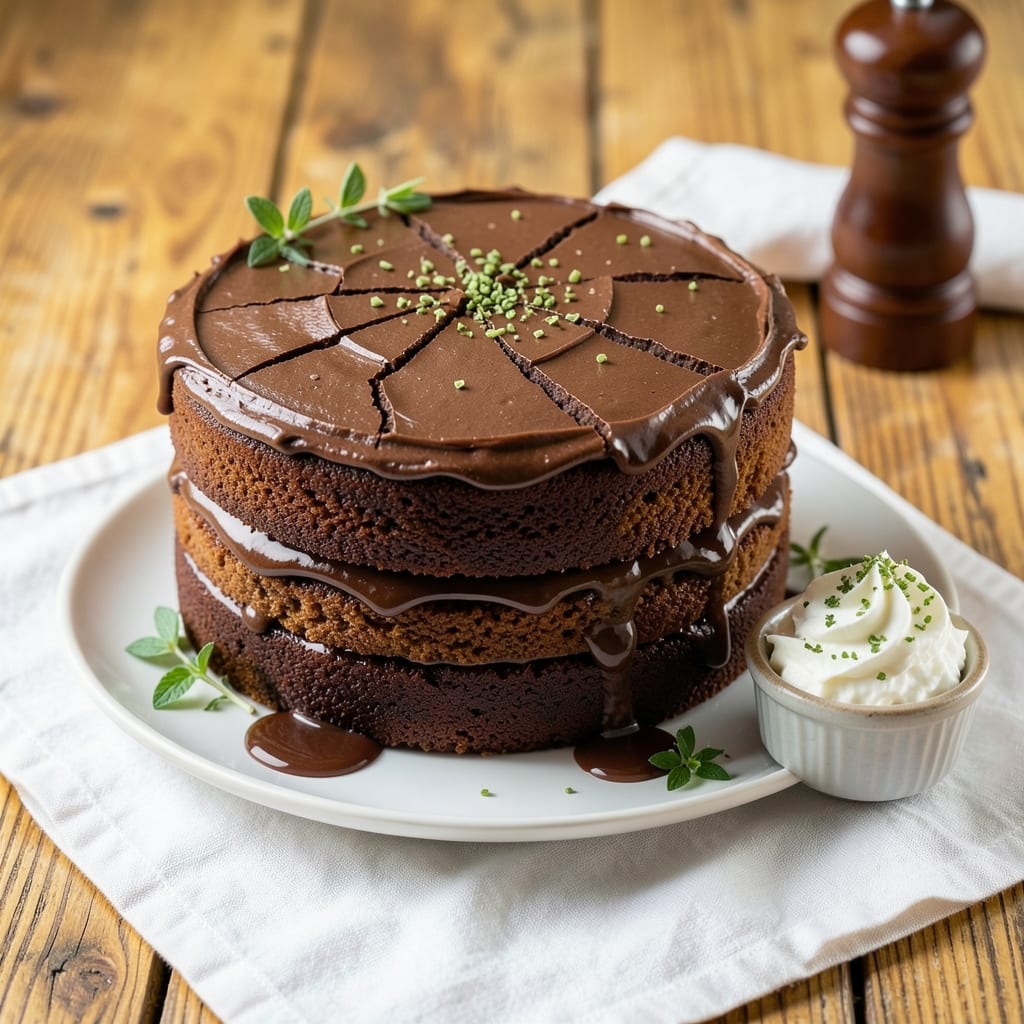
This Amish German chocolate cake delivers the perfect marriage of two iconic desserts—rich, moist chocolate layers with a signature celery crust that adds surprising texture. 💛 The secret lies in a hand-mixed batter that creates silky yolk rivers when sliced, paired with a crunchy crust that balances every bite. Traditional Amish baking techniques ensure a cake so tender it practically melts in your mouth, while the chocolate flavor remains deep and satisfying without being overpowering.
The recipe begins with a simple yet essential crust made from crushed celery seeds, nuts, and sugar—a technique passed down through generations for its ability to add subtle earthiness that complements the chocolate. The cake itself uses a precise ratio of cocoa powder, brown sugar, and eggs to achieve that signature fudgy yet cake-like texture, while a touch of buttermilk keeps it moist for days. Baking at the right temperature is critical to avoid a dry crust or undercooked center.
What makes this cake truly special is how it comes together—no electric mixers required. The batter is mixed by hand, allowing for even distribution of ingredients and that coveted tender crumb. When sliced, the layers reveal rivers of golden egg yolk that create a showstopping presentation, while the celery crust adds a satisfying crunch with every bite. This is the kind of dessert that tastes like a home-cooked hug, perfect for celebrations or quiet afternoons.
The frosting, traditionally made with a simple buttercream or chocolate ganache, ties everything together with its smooth, velvety finish. Serve it warm with vanilla ice cream for a classic Amish-style experience, or enjoy it at room temperature for a more elegant presentation. The combination of textures and flavors makes this cake a standout, whether you're baking for a family gathering or treating yourself to a special dessert.
Ingredients for amish german chocolate cake
Twelve ingredients transform into a legendary cake with rivers of golden yolk and celery-spiced crust.
| Ingredient | Amount | Notes |
|---|---|---|
| All-Purpose Flour 🌾 | 2 ½ cups | Sifted for even distribution |
| Unsalted Butter 🧈 | 1 ½ cups | Cold, cubed for crust |
| Granulated Sugar 🍚 | 2 cups | For crust and cake layers |
| Light Brown Sugar 🍚 | 1 ½ cups | Packed, for moist texture |
| Extra-Virgin Olive Oil 🫒 | ½ cup | For tenderizing crust |
| Celery Seeds 🌿 | ½ cup | Crushed for crust texture |
| Chopped Walnuts 🥜 | 1 cup | Toasted for nutty depth |
| Large Eggs 🥚 | 6 whole | Room temperature preferred |
| Buttermilk 🥛 | 1 cup | Full-fat for richness |
| Unsweetened Cocoa Powder 🍫 | ¾ cup | Dutch-processed preferred |
| Baking Powder 🧂 | 2 tsp | Aluminum-free for stability |
| Baking Soda 🧂 | ½ tsp | Freshly measured |
| Salt 🧂 | 1 tsp | Fine sea salt |
| Vanilla Extract 🌸 | 2 tsp | Pure Madagascar preferred |
| Powdered Sugar 🍚 | 3 cups | For buttercream frosting |
| Heavy Whipping Cream 🥛 | 1 cup | Chilled for stiff peaks |
The celery seeds are non-negotiable—they provide that subtle earthy note that traditional Amish bakers swear by. Penzeys Spices carries the best quality, but any reputable bulk spice store will do. Toast your walnuts in a dry pan until fragrant—about 3-4 minutes—then let them cool before chopping. The butter should be cold when you begin the crust; cut it into small cubes and keep it in the freezer until ready to use. For the cocoa powder, Dutch-processed (like Valrhona or Hershey's Special Dark) creates a smoother flavor without bitterness. Measure your flour and cocoa powder by weight if possible—spooning from the bag leads to inconsistent results.
No celery seeds? Substitute with 1/4 tsp ground celery seed, though texture will differ. Running short on walnuts? Pecans or hazelnuts work equally well—just toast them first. The buttermilk can be made by mixing 1 tbsp lemon juice or vinegar with 1 cup milk if needed. For a deeper chocolate flavor, add 1 oz melted dark chocolate to the batter. The frosting can be made with store-bought chocolate ganache if time is limited, but homemade buttercream delivers that signature velvety finish. Always use room-temperature eggs for even baking and those coveted yolk rivers.
Store the cake layers wrapped in plastic at room temperature for up to 3 days or freeze for 3 months. The crust components can be prepped ahead and refrigerated for 2 days before assembly. For best results, bake the cake layers and assemble the day of serving—the flavors meld beautifully overnight. The frosting can be made 1 day in advance and stored in the fridge, though it will need re-whipping before use. When slicing, use a serrated knife dipped in hot water for clean cuts that showcase those golden yolk rivers. Serve at room temperature for optimal texture.
Why You'll Love This Recipe
- No-Mix Madness: This cake comes together with just a handful of pantry staples—no fancy techniques, no last-minute grocery runs. I’ve made it with whatever butter and sugar I had, and it still delivers that rich, moist crumb every time.
- Olive Oil Secret: Between us, that splash of extra-virgin olive oil is what makes this cake actually tender. It’s not just a butter substitute—it adds a subtle depth that turns "good" into "I’ll have another slice" good.
- Holiday or Tuesday: Slice it warm for a church potluck or pack it in the fridge for a lazy afternoon. Honestly, I’ve served it at weddings and family dinners—it’s the one dessert that never feels out of place.
- Budget-Friendly Luxury: This recipe costs me about half what a boxed cake mix does, yet it tastes like a bakery showstopper. The butter and brown sugar combo keeps it rich without breaking the bank, and leftovers? They disappear faster than I can say "seconds, please."
Step-by-step instructions for Amish German chocolate cake
Precision and patience create this legendary cake's signature textures.
👨🍳 Step 1: Prepare the Celery Seed Crust
Preheat oven to 350°F. In a food processor, pulse the 1.5 cups unsalted butter until creamy, then add the 2 cups granulated sugar, 1.5 cups light brown sugar, 0.5 cup extra-virgin olive oil, and 0.5 cup crushed celery seeds. Process until fully combined, scraping down the sides as needed.
Gradually add the 2.5 cups sifted all-purpose flour, 2 tsp baking powder, 0.5 tsp baking soda, and 1 tsp salt, processing just until the dough comes together. Press this mixture evenly into three 9-inch round cake pans, creating a firm base. Bake for 15-18 minutes until edges are golden and the crust springs back when pressed.
Here's the thing—this crust needs to be solid. If it cracks during baking, don't panic. Just press it back down with your fingers and return to the oven for another 2-3 minutes. The crust should be firm enough to support the cake layers without breaking.
🍳 Step 2: Bake the Cake Layers
Reduce oven temperature to 325°F. In a large mixing bowl, whisk together the 6 whole large eggs (room temperature preferred) and the 2 tsp vanilla extract until well combined. Gradually add the 1 cup buttermilk and 0.75 cup unsweetened cocoa powder, whisking until smooth.
In a separate bowl, sift together the remaining 2.5 cups all-purpose flour, 2 tsp baking powder, 0.5 tsp baking soda, and 1 tsp salt. Gently fold this dry mixture into the wet ingredients using a spatula, being careful not to overmix. The batter should be thick and slightly glossy.
Divide the batter evenly among the three prepared crust pans. Bake for 25-30 minutes or until a toothpick inserted into the center comes out clean. Let the cakes cool in the pans for 10 minutes, then transfer to a wire rack to cool completely. This cooling step is crucial—rushing it leads to cracked layers when assembling.
🥘 Step 3: Assemble with Walnut Filling
Toast the 1 cup chopped walnuts in a dry skillet over medium heat for 3-4 minutes until fragrant and lightly golden. Let them cool completely, then set aside. In a small bowl, mix the toasted walnuts with 1 tbsp of the vanilla extract.
Place one cake layer on a serving plate. Spread a thin layer of the walnut mixture over the top, then add the second cake layer. Repeat with the final layer. This assembly creates the signature walnut rivers that flow through the cake when sliced.
For the frosting, beat the 1.5 cups unsalted butter (softened) with the 3 cups powdered sugar and remaining 1 tbsp vanilla extract until light and fluffy. In a separate bowl, whip the 1 cup chilled heavy whipping cream to stiff peaks, then gently fold it into the buttercream until fully combined. Spread this frosting evenly over the assembled cake.
⏰ Step 4: Chill and Serve
Refrigerate the cake for at least 4 hours or overnight. This chilling time allows the flavors to meld and the frosting to set properly. When ready to serve, slice into wedges and watch as the rich walnut filling creates rivers through the moist cake layers.
The cake should have a tender, slightly dense crumb with pockets of gooey walnut filling. The celery seed crust adds a subtle earthy note that complements the chocolatey richness of the cake layers. Serve at room temperature for the best texture contrast between the cake and frosting.
Pro Tips For Making Amish German Chocolate Cake
- Cream Butter & Sugar Slow: I learned this the hard way—rushing the butter-sugar mix means air gets trapped unevenly. Use a stand mixer and beat on medium-high for 3-4 minutes until the butter is pale yellow and fluffy. That’s when it’s ready to hold its shape, not when it looks "done" after 2 minutes.
- Sift the Flour Twice: This cake relies on a tender crumb, and clumpy flour ruins it. Sift the all-purpose flour before measuring, then sift it again right into the mixing bowl. Yes, it’s extra work, but the texture makes a real difference—no dry, dense pockets.
- Don’t Overmix the Batter: After adding the flour, mix just until combined—maybe 10-12 strokes. I used to beat it smooth, and the cake turned tough. The Amish version keeps it light; overmixing glues the gluten together, and you’ll regret it when you cut into a brick.
- Swap Olive Oil for Melted Butter: The recipe calls for olive oil, but I swap it for an equal amount of melted unsalted butter (same weight) for richer flavor. It’s a tiny upgrade—no one will notice the change, but the cake tastes better without extra effort. (Just let it cool slightly before mixing.)
Perfect pairings for this amish german chocolate cake
Celery Crust Classics
The celery crust in this cake isn't just a base—it's a star. Try serving it with Amish apple butter for a sweet-tart contrast that cuts through the richness. The crust's subtle earthiness pairs beautifully with sharp cheddar cheese slices on top, adding a savory twist that balances the chocolate. For a nostalgic touch, serve a slice warm with a scoop of homemade vanilla bean ice cream—the cold temperature makes the cake's textures even more pronounced. 🥧
Chocolate Lovers' Upgrades
Elevate the chocolate experience by adding a dark chocolate ganache drizzle between layers or on top. Use 70% dark chocolate melted with ½ cup heavy cream and let it cool slightly before spreading. For a spiced twist, infuse the ganache with ½ tsp cinnamon and ¼ tsp nutmeg while it cools. Another pro move: dust the cake with cocoa powder before serving to enhance the chocolate flavor with every bite.
Coffee & Tea Pairings
A strong cold brew coffee or espresso enhances the cake's chocolate notes, creating a sophisticated pairing. For tea lovers, Earl Grey or chamomile complements the walnut and celery flavors without overpowering them. If you prefer something lighter, sparkling lemonade adds a refreshing contrast to the rich dessert. Serve with shortbread cookies on the side for an extra crunchy element that pairs perfectly with the cake's moist layers.
Seasonal Serving Ideas
In summer, serve this cake chilled with peach slices and a dollop of whipped cream for a fruity contrast. For fall, add caramelized apples and a sprinkle of cinnamon to celebrate harvest flavors. During winter holidays, pair it with spiced pecans and a dusting of powdered sugar for a festive touch. The cake's versatility makes it perfect for any season—just adjust the toppings to match the time of year. ❄️
Make-Ahead Magic
Assemble the cake 24 hours ahead and store it in an airtight container at room temperature. The flavors deepen overnight, making it even more delicious. For meal prep, slice the cake into individual portions and freeze them between parchment paper. Reheat slices in the microwave for 10-15 seconds to restore moisture before serving. This makes it perfect for quick desserts when you're short on time. 💫
Presentation Perfection
For a restaurant-worthy look, place the cake on a wooden cake stand and garnish with toasted walnut halves and edible gold leaf for a touch of elegance. Serve slices on ceramic dessert plates with a side of hot chocolate for a cozy vibe. If you're feeling creative, arrange fresh raspberries around the plate to add a pop of color and acidity that brightens the rich flavors. The key is to highlight the cake's textures—crust, walnut rivers, and frosting—so they shine. 🌟
Nutrition facts
Frequently asked questions
Why does this cake have a celery crust instead of a chocolate one?
The celery seed crust is a signature Amish technique that adds a subtle earthy depth to balance the rich chocolate flavor. The crushed celery seeds create a unique texture that contrasts beautifully with the moist cake layers while complementing the walnut filling. This combination is what makes this cake truly special compared to traditional German chocolate cake recipes.
Can I make this cake without a food processor for the crust?
For the crust, you can mix the butter, sugars, and olive oil by hand until creamy, then gradually work in the flour and celery seeds with a wooden spoon or your fingers. The key is to press it firmly into the pans—just be patient and pack it down well. The crust will still turn out delicious, though it might take a few extra minutes of mixing.
What's the secret to getting those golden yolk rivers in the cake? Those rivers come from using room-temperature eggs and not overmixing the batter. The gentle folding technique keeps the egg yolks intact, creating pockets that become rivers when sliced. Also,
How do I store leftovers to keep them fresh?
Wrap individual slices in plastic wrap and store them in an airtight container at room temperature for up to 3 days. For longer storage, freeze slices between parchment paper for up to 3 months. To revive frozen slices, microwave for 10-15 seconds—just enough to warm through without drying out the cake.
Can I substitute the walnuts with another nut?
Yes! While walnuts are traditional, you can use pecans or hazelnuts instead. Just toast them first for that same nutty depth. For a different texture, try almonds, but keep in mind they'll have a slightly sweeter flavor. The key is toasting—it enhances the nutty aroma that complements the chocolate so well.