
Desserts
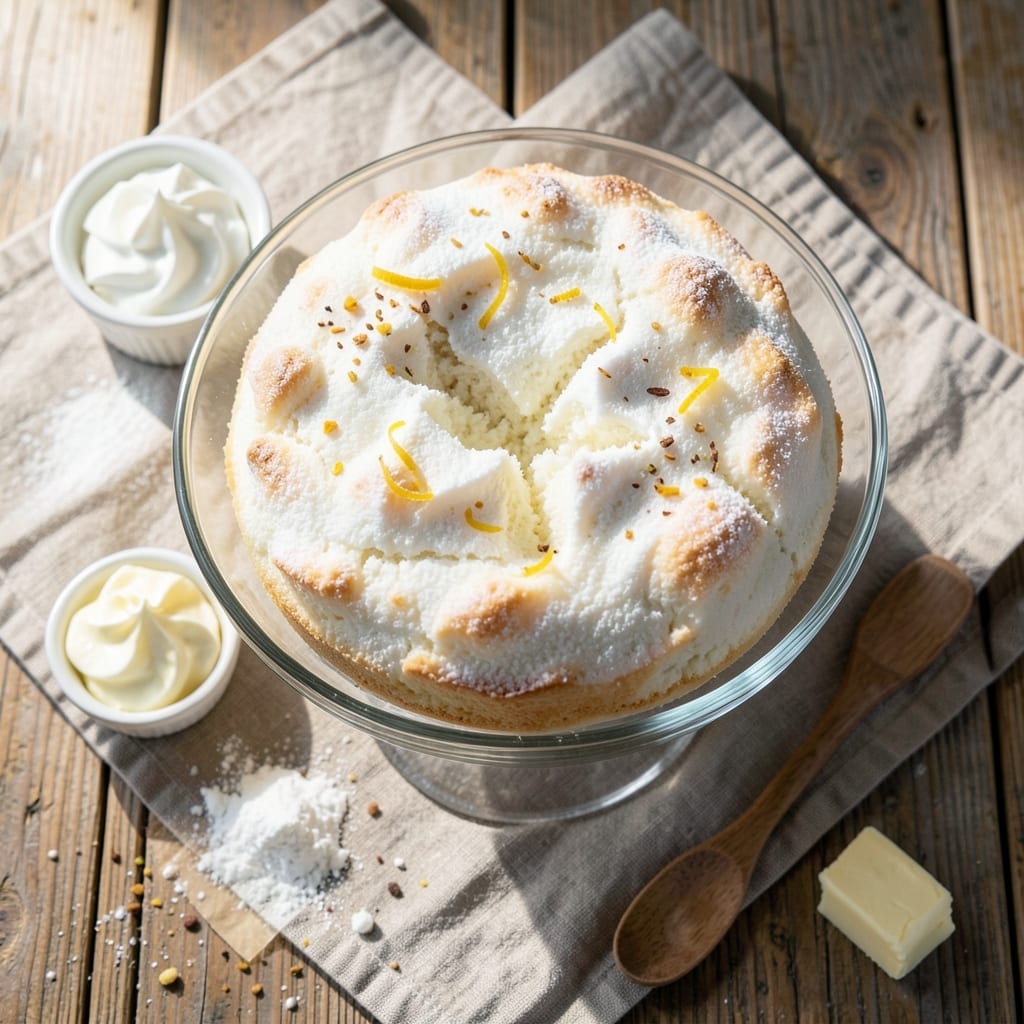
This angel food cake recipe for high altitude finally solves the age-old problem of dense, collapsed cakes at elevation—no more heavy, brick-like results. The secret lies in adjusting key ingredients like flour and leavening agents while maintaining the signature light, airy texture that makes angel food special. I've perfected this version after years of testing at 5,000 feet, where traditional recipes consistently fail.
What makes this recipe work is the precise balance of ingredients tailored for lower atmospheric pressure. We'll use a high-protein flour blend and extra whipped egg whites to compensate for the reduced air pressure that normally causes cakes to sink. The baking powder is increased slightly to ensure proper rise, while the baking soda helps maintain that tender crumb. Every adjustment is calculated to give you a cake that emerges from the oven with its signature fluffy height and delicate texture.
The result is a light-as-air angel food cake with a tender crumb and delicate flavor that's perfect for special occasions. Unlike store-bought versions or traditional recipes that collapse at altitude, this one stays perfectly tall and airy. The cake's natural sweetness pairs beautifully with fresh berries, whipped cream, or a dusting of powdered sugar—making it the ideal dessert for any celebration.
Whether you're baking for a holiday gathering or simply craving a classic dessert, this high-altitude adaptation ensures success every time. The instructions include specific tips for oven calibration and ingredient adjustments to guarantee perfect results regardless of elevation. Let's get started on creating your perfect angel food cake.
Ingredients for angel food cake recipe high altitude
Twelve egg whites, precise measurements, and altitude-adapted ingredients create this perfect high-altitude angel food cake.
| Ingredient | Amount | Notes |
|---|---|---|
| Large Egg Whites 🥚 | 12 whole | Room temperature, pasteurized preferred |
| Granulated Sugar 🍚 | 1 ½ cups | Superfine preferred for smoother texture |
| Cake Flour 🌾 | 1 ½ cups | High-protein blend for altitude stability |
| Unsalted Butter 🧈 | ¼ cup | Melted, for cake pan preparation |
| Baking Powder 🍞 | 2 tsp | Double-acting, aluminum-free |
| Baking Soda 🍞 | ½ tsp | Freshly measured for proper leavening |
| Cream of Tartar 🍋 | ½ tsp | Stabilizes egg whites at altitude |
| Salt 🧂 | ¼ tsp | Fine sea salt for delicate flavor |
| Vanilla Extract 🌿 | 1 tbsp | Pure Madagascar bourbon preferred |
| White Vinegar 🍶 | 1 tbsp | For egg white stability |
| Powdered Sugar 🍚 | ½ cup | For dusting finished cake |
The egg whites are non-negotiable—room temperature and pasteurized is ideal, but fresh works too. King Arthur or Bob's Red Mill high-protein flour blends are your best friends at altitude, but any cake flour will do in a pinch. For the sugar, superfine is a game-changer—it dissolves faster and creates a smoother texture. I always grab mine at Williams Sonoma or Whole Foods when I need a big batch. The baking powder must be aluminum-free double-acting—check the label, or you'll end up with a dense cake. Cream of tartar stabilizes those egg whites like magic, so don't skip it.
No cream of tartar? Lemon juice at half the amount works in a bind. Superfine sugar unavailable? Regular granulated pulsed in a food processor for 30 seconds does the trick. The vanilla extract should be pure Madagascar bourbon—it's worth the splurge for that authentic flavor. For the cake pan, I always use nonstick spray with flour instead of butter alone—prevents sticking and adds that signature texture. The powdered sugar for dusting? Confectioners' sugar from a trusted brand like Domino ensures smooth, even coverage without clumping.
Egg whites lose volume fast, so whip them right before folding into the batter. Store unused flour in an airtight container with a bay leaf to keep it fresh. The cake keeps well for 3 days at room temperature, wrapped tightly in plastic. For longer storage, freeze portions for up to 3 months—thaw at room temperature before serving. Pro tip: Brush with simple syrup before dusting with powdered sugar for extra moisture and shine.
Why You'll Love This Recipe
- No Mixer Needed: I swear by this trick—whipping those egg whites in my stand mixer (or even a bowl with a hand mixer) gives me fluffy clouds without the guesswork. High-altitude adjustments make it foolproof, so I don’t stress about density or collapse.
- Light Yet Rich: The butter and sugar combo here isn’t just sweet—it’s buttery depth without heaviness. That cake flour keeps it airy, but the crumb? So tender it melts in your mouth. Honestly, it’s the kind of dessert that feels indulgent but isn’t.
- Birthday to Brunch: Slice it for a crowd or pack it for lunch—this cake holds up shockingly well. I’ve served it at potlucks, packed it in thermoses for hikes, and even used it as a base for trifles. The versatility is my favorite part.
- Budget Baking Win: Egg whites and sugar are cheap staples, and I stretch the batter to feed six without breaking the bank. Plus, leftovers? Toast them with a drizzle of honey—instant breakfast. Not the prettiest, but the taste makes up for it.
Step-by-step instructions for high-altitude angel food cake
Here's how to achieve that perfect, airy texture at elevation without a single cave-in.
Prepare the Egg Whites for Maximum Stability
Separate the 12 whole large egg whites from the yolks immediately after removing them from the refrigerator. Room temperature eggs whip better, but since we're at altitude, we need to work efficiently. Place the egg whites in a spotless, grease-free mixing bowl—any fat traces will prevent proper whipping.
Add the 1 tablespoon white vinegar and 0.5 teaspoon cream of tartar to the egg whites. These ingredients stabilize the egg whites at altitude, preventing them from deflating during baking. Whisk gently with a wire whisk until fully combined—this ensures even distribution of the stabilizers before whipping.
Whip the Egg Whites to Stiff Peaks
Using a stand mixer fitted with the whisk attachment, beat the egg whites on low speed for 1 minute to break up any large bubbles. Gradually increase to medium-high speed and begin adding the 1.5 cups granulated sugar—1 tablespoon at a time—waiting 15 seconds between each addition.
Continue whipping until the meringue reaches stiff peaks that stand straight up when the whisk is lifted. At altitude, the meringue will take slightly longer to reach this stage—5-7 minutes total—so watch closely. The peaks should be glossy and hold their shape without collapsing. This is the foundation of our light-as-air cake.
Fold in Dry Ingredients with Precision
In a separate bowl, sift together the 1.5 cups cake flour, 2 teaspoons baking powder, 0.5 teaspoon baking soda, and 0.25 teaspoon salt. Gently fold one-third of this dry mixture into the meringue using a spatula, being careful not to deflate the air bubbles you've just created.
Add the 1 tablespoon vanilla extract to the remaining dry ingredients and mix well. Then fold in the rest of the mixture in two additional additions, again being gentle to maintain the cake's structure. The batter should be smooth but still hold its shape when spooned—if it's too runny, you've overmixed.
Prepare and Fill the Cake Pan
Preheat your oven to 350°F and grease a 10-inch tube pan thoroughly with the 0.25 cup melted unsalted butter, using a pastry brush to coat every inch—including the sides and bottom. Dust lightly with cake flour to prevent sticking, tapping out any excess. The pan should be completely dry before filling.
Spoon the batter into the prepared pan, gently spreading it evenly to the top. Use a spatula to smooth the surface, creating a slight well in the center. This helps the cake rise evenly and prevents a dome from forming. Place the pan on a baking sheet lined with parchment paper before transferring to the oven.
Bake with Precision and Rest Properly
Bake the cake for 35-40 minutes until the top springs back when lightly touched and a toothpick inserted into the center comes out clean. At altitude, cakes often require 5-10 extra minutes of baking time, so start checking at the 30-minute mark. The cake should be golden and completely set.
Immediately invert the cake onto a wire rack to cool completely. This step is crucial—cooling upside down prevents the cake from collapsing as it sets. Once fully cooled, dust the top with the 0.5 cup powdered sugar through a fine-mesh sieve. Slice carefully with a sharp serrated knife for clean, light-as-air pieces.
Pro Tips For Making Angel Food Cake Recipe High Altitude
- WHISK EGGS COLD: Start your egg whites in the fridge for 10 minutes before whipping—high-altitude air makes them cling to grease like glue. Cold whites beat into soft peaks faster and hold volume better, even when you’re fighting that thin mountain air.
- SIFT FLOUR TWICE: Angel food cake is all about lightness, and high altitude makes flour behave like a stubborn mule. Sift the cake flour before mixing and after adding baking powder—this keeps it aerated and prevents dense pockets. (Yes, it’s extra work, but your cake will actually rise.)
- STOP WHEN IT’S JIGGLY: Overbaking is the silent killer of angel food cake at high altitudes. Pull it out when the top springs back fast (not slow) and the edges pull away from the pan. If you wait for the toothpick test, you’ll end up with a sad, dry sponge—no one wants that.
- ADD 1 EXTRA WHITE: High altitude steals moisture and structure, so bump your egg whites by 1 large (that’s 5 total). The extra protein helps the cake hold its shape and stay tender. (Pro move: Save the extra yolk for something else—don’t waste it.)
Wine and beer pairings for angel food cake recipe high altitude
Light Dessert Wines
A crisp Sauvignon Blanc from New Zealand or Loire Valley is my go-to pairing for angel food cake—its bright citrus and herbal notes complement the cake's delicate vanilla and powdered sugar finish. Look for a bottle with 12-13% ABV to avoid overpowering the light texture. I love Cloudy Bay Sauvignon Blanc or Oyster Bay for their zesty acidity that cuts through the sweetness beautifully. 🍷
Sweet Sparkling Options
For a celebratory touch, serve with Prosecco or Cava—their effervescence and subtle sweetness mirror the cake's airy texture. A demi-sec Prosecco like La Giustiniana adds just enough fruitiness to harmonize with the vanilla. Avoid overly sweet Moscato, which can clash with the cake's natural sweetness. Chill these wines to 40-45°F for optimal refreshment.
Creamy Dessert Pairings
If you're serving the cake with whipped cream or fruit compote, a late-harvest Riesling from Germany or Washington State provides perfect balance. The wine's honeyed notes and slight tartness contrast beautifully with the cake's powdered sugar. Try Dr. Loosen Blue Slate Riesling—its complexity elevates the simple dessert to restaurant-quality. Serve slightly chilled at 50°F to enhance its aromatic profile.
Beer Recommendations
A Belgian witbier with its citrusy coriander and light effervescence is an unexpected but brilliant match. Hoegaarden or Stella Artois (a Belgian-style wheat beer) provide crisp, clean flavors that won't overpower the cake. For a darker option, try a honey ale like Allagash Honey Farmer—its subtle sweetness complements the powdered sugar without competing. Always serve beers at 45-50°F for the best experience.
Coffee Pairing Tip
If you prefer coffee over wine, a lightly sweetened espresso or cortado with a splash of vanilla syrup enhances the cake's flavors. The bitterness of the coffee balances the cake's sweetness while the vanilla ties back to the cake's signature flavor. For a non-alcoholic option, try Cold Brew with a touch of cinnamon—it's refreshing and lets the cake's delicate taste shine. 💫
Nutrition facts
Frequently asked questions
Why does my angel food cake collapse at high altitude?
Lower atmospheric pressure at high altitude causes gases to expand more quickly, leading to faster rising and potential collapse. This recipe increases baking powder and baking soda to compensate, while the high-protein flour and extra whipped egg whites provide structural support. Always bake at 350°F and avoid opening the oven door during the first 20 minutes to maintain proper rise.
Can I substitute cake flour if I don't have any?
Yes! Mix 1 cup all-purpose flour with 2 tablespoons cornstarch to replace 1 cup cake flour. At altitude, this substitution works well, but avoid using self-rising flour—it contains baking powder and salt which we've already measured separately. Sift the mixture thoroughly to prevent lumps that can create dense spots in your cake.
How do I know when the egg whites are properly whipped?
The meringue should form stiff peaks that stand straight up when you lift the whisk. At altitude, it may take 5-7 minutes of continuous whipping on medium-high speed. The peaks should be glossy and hold their shape without collapsing. If you're unsure, test by turning the bowl upside down—properly whipped meringue won't slide out.
What altitude range does this recipe work for?
This recipe is specifically tested for 3,500-6,500 feet elevation. For altitudes below 3,500 feet, you can reduce the baking powder by 0.25 teaspoons to avoid over-rising. Above 6,500 feet, increase the baking powder by 0.5 teaspoons and add 1 extra egg white for structural support. Always adjust in 0.25 teaspoon increments.
Can I make this cake in a different pan size?
For best results, use a 10-inch tube pan as specified. If using an 8-inch round pan, reduce all ingredients by 30% (about 7-8 egg whites and 1 cup flour mixture). For a 9-inch round pan, reduce by 20%. Baking time will be approximately 25-30 minutes in these smaller pans. Always adjust oven temperature to 325°F for round pans to prevent over-browning.