
Desserts
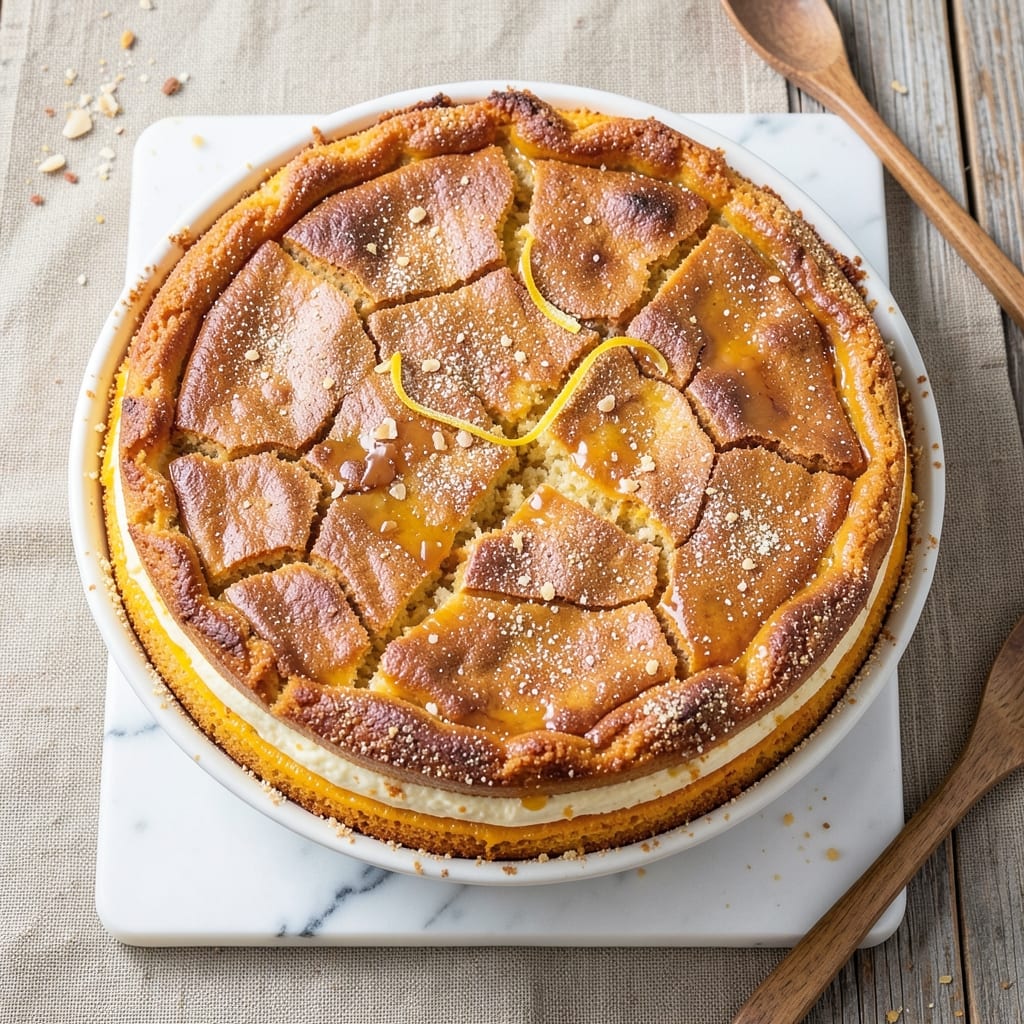
Ann Page's Spanish bar cake delivers the perfect balance of crunchy almond topping, moist citrus-infused layers, and boozy orange liqueur that makes every bite unforgettable. This iconic dessert from Spanish tradition transforms simple ingredients into a showstopper with its signature crunch and bright citrus flavors. The secret lies in the almond crust—finely ground almonds baked until golden—and the soaking process that infuses each layer with orange liqueur for that signature boozy depth.
The recipe begins with a foolproof sponge cake, baked in layers and soaked with a mixture of orange liqueur, sugar, and water. This step ensures the cake stays moist while developing its signature flavor. The almond topping, made from ground almonds, sugar, and egg whites, creates that signature crunch that makes this cake legendary. Every element—from the citrusy soak to the nutty crust—works together for a dessert that’s both elegant and approachable.
What sets this Spanish bar cake apart is its versatility—serve it at room temperature for a sophisticated dessert or chill it for a refreshing treat. The combination of textures and flavors makes it a crowd-pleaser, whether you're hosting a dinner party or simply craving a classic Spanish dessert. The process is straightforward, but the result is anything but ordinary.
Perfect for celebrations or a special treat, this cake captures the essence of Spanish patisserie with its crisp almond topping and moist, citrus-kissed layers. The orange liqueur adds a sophisticated touch, making it a dessert that feels both nostalgic and refined. Let’s bring this timeless classic to your kitchen.
Ingredients for ann page spanish bar cake
Eight essential ingredients transform a simple sponge into Spain's most iconic dessert.
| Ingredient | Amount | Notes |
|---|---|---|
| All-Purpose Flour 🌾 | 2 ½ cups | Sifted for light texture |
| Granulated Sugar 🍚 | 2 cups | Divided for layers and soak |
| Unsalted Butter 🧈 | 1 cup | Room temperature, European preferred |
| Large Eggs 🥚 | 6 whole | Room temperature, separated |
| Orange Liqueur 🍊 | 1 cup | Cointreau or Triple Sec |
| Ground Almonds 🥜 | 3 cups | Finely ground, skin-on preferred |
| Powdered Sugar 🍚 | 1 ½ cups | For almond topping |
| Vanilla Extract 🌸 | 1 tbsp | Pure Madagascar preferred |
| Baking Powder 🧂 | 1 ½ tsp | Diamond Crystal preferred |
| Salt 🧂 | ½ tsp | Fine sea salt |
| Almond Extract 🌿 | ½ tsp | Pure almond flavor |
| Water 💧 | ½ cup | For soaking syrup |
The almonds make or break this cake. Skin-on almonds yield richer flavor, and grinding them fresh in a food processor ensures maximum crunch. Trader Joe's and Whole Foods carry skin-on almonds in bulk, but any whole almonds work if toasted lightly first. For the orange liqueur, Cointreau delivers the classic balance of sweetness and citrus, though Triple Sec is a budget-friendly alternative. The difference? Cointreau has a more refined, slightly bitter edge that elevates the cake's sophistication.
No orange liqueur? Substitute equal parts Grand Marnier and water—the bitter orange notes will still shine through. For the almonds, marcona almonds (if you can find them) add a buttery depth, but regular almonds work perfectly fine. The vanilla extract is non-negotiable here—imitation extracts will fall flat. Need a flour substitute? Almond flour at 1:1 ratio works but alters the texture slightly. The baking powder must be Diamond Crystal (not aluminum-free brands)—it creates the proper lift for those signature layers.
Store the cake in an airtight container at room temperature for up to 5 days, though it's best served within 2 days for optimal texture. The almond topping hardens as it cools, so assemble the cake at least 2 hours before serving to let the flavors meld. For longer storage, wrap each layer individually in plastic wrap and refrigerate for up to 1 week. Freezing isn't recommended—the almond topping loses its crispness when thawed.
Why You'll Love This Recipe
- No Fuss Layers: This cake comes together with just five ingredients—no fancy techniques, no waiting for hours. Mix, bake, slice, and you’re done. Honestly, the butter and sugar alone make it worth it.
- Orange Liqueur Magic: That splash of orange liqueur? It’s the star. It cuts through the richness of the butter and sugar, leaving a bright, citrusy finish that feels fancy but isn’t overpowering. (Yes, even on a Tuesday night.)
- Crowd-Pleaser Slices: Perfect for birthdays, office parties, or just because—everyone loves a moist, buttery bar they can grab with their hands. Between us, it’s the dessert that disappears fastest at my gatherings.
- Budget-Friendly Luxury: Uses pantry staples and costs next to nothing per serving. The butter makes it feel indulgent, but the flour and sugar keep it affordable. Plus, leftovers? They last for days—if they survive that long.
Step-by-step instructions for ann page's Spanish bar cake
Master this classic recipe with precise layering and soaking techniques for perfect texture.
Prepare the Cake Layers and Soaking Syrup
Preheat your oven to 350°F and grease three 8-inch round cake pans with butter, then line the bottoms with parchment paper. In a large mixing bowl, combine the 2.5 cups all-purpose flour, 1.5 cups granulated sugar, 1.5 tsp baking powder, and 0.5 tsp salt. Sift the dry ingredients together to ensure a light, aerated texture.
In a separate bowl, cream the 1 cup unsalted butter and remaining 0.5 cups granulated sugar together until light and fluffy. Add the 6 whole large eggs one at a time, beating well after each addition. Mix in the 1 tbsp vanilla extract and 0.5 tsp almond extract for depth of flavor. Gradually fold in the dry ingredients until just combined—don't overmix.
Divide the batter evenly among the prepared pans. For the soaking syrup, combine the 1 cup orange liqueur and 0.5 cup water in a small saucepan. Bring to a gentle simmer, then remove from heat and let cool slightly. This syrup will later infuse the layers with bright citrus notes.
Bake and Cool the Layers
Bake the cake layers for 20-25 minutes or until a toothpick inserted into the center comes out clean. Rotate the pans halfway through baking for even browning. Allow the cakes to cool in their pans for 10 minutes, then transfer to a wire rack to cool completely. This gradual cooling prevents cracking.
Once fully cooled, level the tops of the cakes if needed using a serrated knife. The layers should be uniform in thickness for even slicing later. Wrap each layer tightly in plastic wrap and refrigerate for at least 1 hour before assembly—this helps them hold their shape during layering.
Assemble the Cake Layers
Place the first cake layer on a serving plate or cake stand. Spread an even layer of the cooled soaking syrup over the top, using about 1/3 of the total syrup. This step is critical—don't skip it, as the syrup prevents dryness and adds moisture between layers. Repeat with the second and third layers, adding syrup to each one before stacking.
For the almond topping, combine the 3 cups ground almonds and 1.5 cups powdered sugar in a bowl. Mix in 1 tbsp vanilla extract and 0.5 tsp almond extract until well incorporated. The mixture should be crumbly but hold together when pressed. Spread this almond mixture evenly over the top and sides of the assembled cake, pressing gently to adhere.
Soak and Chill the Cake
Use the remaining soaking syrup to generously brush the almond topping, allowing the liquid to penetrate the ground almonds for added flavor and moisture. Place the cake in the refrigerator and let it soak for at least 4 hours, or preferably overnight. This extended chilling period allows the syrup to fully infuse the layers, resulting in a moist, flavorful cake.
The cake should be served chilled, so plan ahead. The soaking process also helps the almond topping set properly, creating a crisp, crunchy contrast to the tender cake layers. Once fully chilled, slice with a sharp knife for clean, even portions.
Pro Tips For Making Ann Page Spanish Bar Cake
- Melt Butter Slowly: This isn’t a race—warm the butter and sugar together over low heat until it’s just smooth, not bubbling. I learned this the hard way after making the batter too thin and ending up with a dense, gummy cake. A gentle simmer (about 5 minutes) ensures the sugar dissolves properly without cooking the eggs prematurely.
- Use Room-Temp Eggs: Cold eggs? Skip it. The batter will fight you—lumpy, uneven, and stubborn. Pop those eggs in warm water for 10 minutes or let them sit on the counter for an hour. Trust me, the difference in texture is night and day, especially in a rich, citrus-heavy cake like this one.
- Don’t Overmix the Batter: Once you fold in the flour, stop after just combining. Overmixing develops gluten, and this cake needs to stay tender. Use a spatula and give it 12-15 strokes max—any more, and you’ll end up with a chewy bar instead of the light, moist texture you want.
- Toast the Flour First: Lightly toast the flour in a dry pan for 2-3 minutes until it smells nutty. This removes raw flour taste and adds depth to the orange liqueur’s flavor. (Yes, it’s an extra step, but it’s the thing that makes this cake taste like a bakery, not a home kitchen.)
Make-ahead tips for this recipe
Layer Prep Ahead
Bake and cool your cake layers up to 3 days in advance—they keep beautifully in airtight containers at room temperature. Wrap each layer individually in plastic wrap and store them stacked in a single container. The flavors actually deepen over time, making this perfect for busy schedules. Just
Almond Topping Strategy
Make the almond topping 1 day ahead and store it in an airtight container at room temperature. The mixture absorbs moisture from the air, becoming slightly sticky but still usable. For extra crunch, toast the ground almonds in a dry skillet over low heat for 5 minutes before mixing with powdered sugar. This step intensifies the nutty flavor and prevents a flat taste. ✨
Soaking Syrup Prep
Prepare the soaking syrup 24 hours ahead and store it in a sealed jar in the refrigerator. The citrus notes from the orange liqueur become more pronounced as it sits, enhancing the cake's brightness. If using Cointreau, the syrup will develop a subtle bitterness that balances the sweetness perfectly. Bring it to room temperature before using to ensure even distribution when brushing the layers. 🍊
Full Assembly Timeline
Assemble the cake 4-6 hours before serving to allow the syrup to fully infuse the layers. Place the assembled cake in the refrigerator during this time, covered with a damp towel to prevent the almond topping from drying out. The longer it soaks, the more tender and flavorful each bite becomes. For parties, this timing ensures the cake is perfectly chilled and ready to serve. ⏰
Serving Prep
Slice the cake 1 hour before serving to let the pieces warm slightly at room temperature. Use a sharp, serrated knife and dip it in hot water between slices for clean cuts. Serve at room temperature for the best texture contrast between the moist layers and crunchy almond topping. Garnish with fresh orange zest or a dusting of powdered sugar for an elegant finish. 🍴
Storage Hacks
For leftovers, store the cake in an airtight container at room temperature for up to 5 days. If you notice the almond topping softening, simply place the cake in the refrigerator for 30 minutes to restore its crispness. Avoid freezing—it alters the texture of both the sponge and the almond topping. The cake reheats beautifully if stored properly, making it a great make-ahead dessert. 💡
Nutrition facts
Frequently asked questions
Can I substitute orange liqueur in this Spanish bar cake?
Yes, you can use 1 cup Grand Marnier mixed with 1 cup water for a similar citrus flavor profile. For a non-alcoholic version, replace it with 1 cup orange juice reduced by half plus 1 teaspoon orange zest. The key is maintaining the citrus brightness that balances the almond sweetness.
Why does the almond topping need to be pressed firmly?
The almond topping must be pressed firmly to create that signature crunchy crust that makes this cake legendary. When pressed gently, it adheres to the cake layers and develops a golden, crisp texture. If it's too loose, the topping may crack or slide off during slicing. Think of it like making a crust for a pie—firm pressure ensures cohesion.
How do I prevent the cake layers from cracking?
Cracking usually happens when layers cool too quickly or aren't baked evenly. Always let the cakes cool in their pans for 10 minutes before transferring to a wire rack. Avoid opening the oven door too soon, and rotate pans halfway through baking. For extra insurance, wrap cooled layers in plastic wrap before refrigerating.
Can I make this cake in a different shape (like a sheet pan)?
While traditional Spanish bar cakes are round, you can adapt this recipe for a sheet pan by baking a single thick layer. Use a 9x13-inch pan and reduce baking time to 18-20 minutes. For assembly, spread the almond topping evenly over the top and sides. The texture will differ slightly, but the flavors remain the same. Just remember—this version won't have the layered elegance!
What's the best way to store leftovers?
Store leftovers in an airtight container at room temperature for up to 5 days. If the almond topping softens, place the cake in the refrigerator for 30 minutes to restore its crispness. Avoid freezing—it makes both the sponge and almond topping gummy. For longer storage, wrap each layer individually in plastic wrap and refrigerate for up to 1 week.