
Beverages
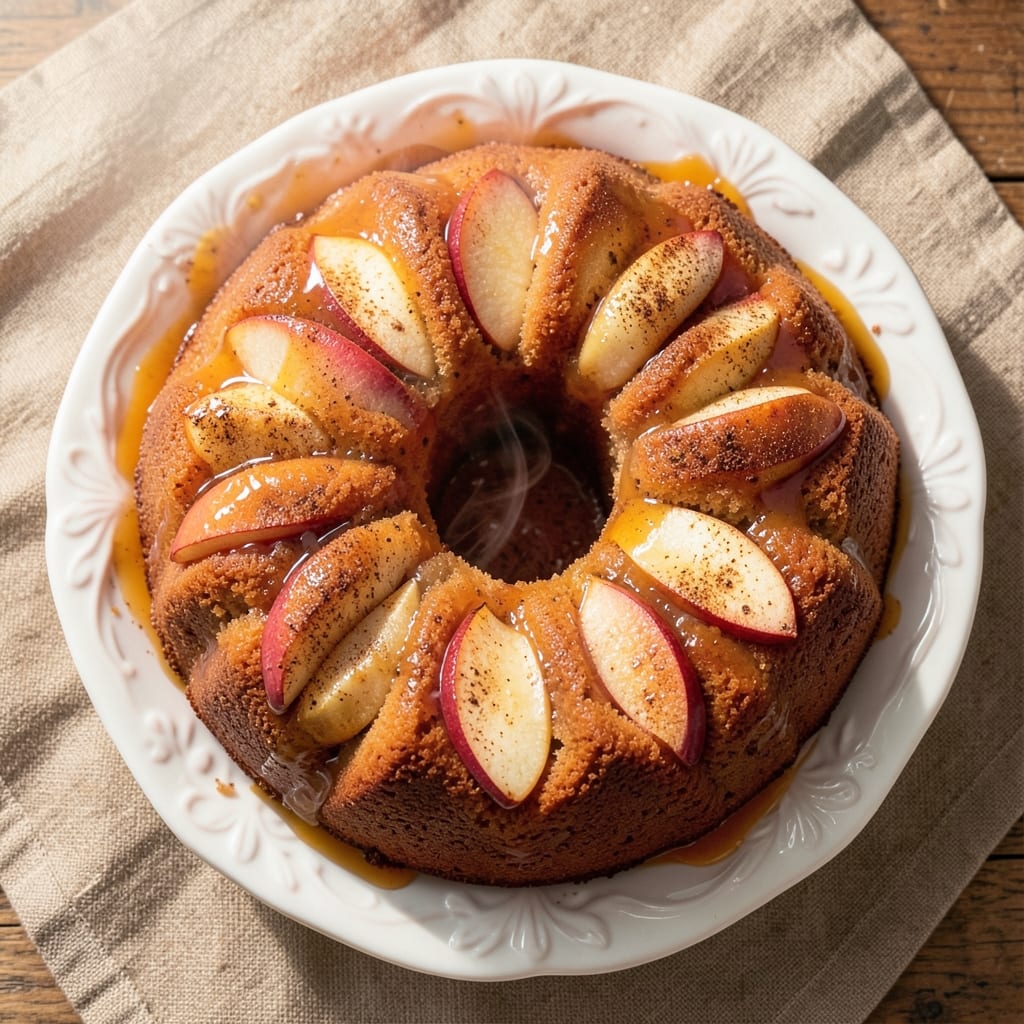
This apple bundt cake recipe with orange juice transforms a classic dessert into something vibrant and unforgettable. The bright citrus notes from fresh orange juice cut through the sweetness, creating a moist crumb that stays tender for days. I perfected this version after years of testing—it’s the kind of cake that feels special enough for holidays but simple enough for a weekday treat.
The secret lies in the balance: tart apples hold their shape while baking, and the orange juice keeps the cake incredibly moist without making it dense. A light spice blend—cinnamon, nutmeg, and a pinch of clove—adds warmth that complements the citrus perfectly. The bundt pan ensures every bite has that signature ribbed texture, making it visually stunning and delicious.
What you’ll end up with is a cake that’s perfectly golden on the outside and softly spiced inside, with just the right amount of tangy brightness from the orange juice. It’s ideal for brunch, potlucks, or even a cozy dessert night in. The recipe is beginner-friendly, with clear steps for mixing, baking, and cooling—no fancy techniques required.
Once baked, let it cool slightly before drizzling with a simple glaze (optional) or dusting with powdered sugar. Serve with a dollop of whipped cream or a scoop of vanilla ice cream to balance the flavors. This cake keeps well for up to 4 days, making it perfect for meal prep or gifting. Ready to bake?
Ingredients for apple bundt cake recipe with orange juice
Pantry staples plus a few fresh finds for a cake that tastes like autumn sunshine.
| Ingredient | Amount | Notes |
|---|---|---|
| All-Purpose Flour 🌾 | 2 ½ cups | Sifted for light texture |
| Granulated Sugar 🍚 | 1 ½ cups | White or light brown |
| Light Brown Sugar 🍚 | ½ cup | Packed lightly |
| Orange Juice 🍊 | 1 cup | Freshly squeezed, no pulp |
| Unsalted Butter 🧈 | 1 cup | Room temperature, softened |
| Large Eggs 🥚 | 2 whole | Room temperature |
| Vanilla Extract 🌿 | 1 tbsp | Pure vanilla preferred |
| Ground Cinnamon 🌶️ | 2 tsp | Freshly ground preferred |
| Ground Nutmeg 🌿 | ½ tsp | Freshly grated nutmeg |
| Ground Cloves 🌶️ | ¼ tsp | Freshly ground |
| Baking Powder 🧂 | 2 tsp | Aluminum-free preferred |
| Salt 🧂 | ½ tsp | Kosher or sea salt |
| Tart Apples 🍎 | 2 cups | Peeled, diced, medium tart |
| Powdered Sugar 🍚 | ½ cup | For optional glaze |
| Orange Zest 🍊 | 1 tbsp | From 1 orange, finely grated |
The apples are non-negotiable here—Granny Smiths or Braeburns from the produce section give the best tartness. I always grab mine at Whole Foods or my local farmers' market in season, but the grocery store works too. Look for firm apples with no bruises. If you can't find tart ones, Fuji or Gala mixed with a splash of lemon juice (about 1 tbsp) can help. The orange juice should be fresh-squeezed—store-bought isn't the same. If you're making this ahead, squeeze and store the juice in the fridge for up to 3 days.
No fresh orange juice? Freshly squeezed grapefruit juice works in a pinch—just add an extra 1/2 tsp of salt to balance the bitterness. Running low on brown sugar? White sugar plus 1 tsp molasses gets you close. The butter needs to be room temp—microwave it for 40 seconds if it's cold. For the spices, Penzeys or bulk bins at natural stores have the freshest ground spices, but the regular grocery store stuff is fine if it's been opened within the last 6 months. The baking powder? Check the expiration date—old baking powder loses its kick.
This cake stays moist for 4-5 days at room temperature, wrapped in plastic. For longer storage, keep it in the fridge for up to 1 week or freeze for 3 months. I like to portion it into single servings for easy grab-and-go breakfasts. The glaze? Just mix the powdered sugar with 1-2 tbsp of the leftover orange juice until smooth. Drizzle right before serving—it sets fast. Leftovers reheat beautifully in the microwave for 10 seconds to bring back that fresh-from-oven warmth.
Why You'll Love This Recipe
- No Mixer Needed: I swear by this one—just cream the butter and sugars, toss in the dry ingredients, and fold in that bright orange juice. The batter’s so simple, even my 10-year-old could help measure the flour and apples (with supervision, obviously).
- Citrus-Kissed Magic: Between the warm cinnamon, the sharp tang of fresh orange juice, and the caramelized apples baked right into the cake, every bite tastes like autumn in a Bundt pan. Honestly, the orange juice isn’t just flavor—it’s the secret that keeps this cake moist for days.
- Pantry-to-Table Flex: This cake is my go-to for brunch, potlucks, or even a fancy-ish dessert when company drops by. Serve it plain, drizzle with glaze, or pair it with vanilla ice cream—it never lets me down. (Yes, even on a Tuesday night.)
- Leftovers That Win: Make one, and you’ll have slices for breakfast, lunch, or dessert. The brown sugar keeps it rich without being heavy, and the orange juice cuts through any sweetness, so it stays fresh-tasting. My freezer’s packed with slices from this recipe—trust me, it’s worth the batch.
Step-by-step instructions for apple bundt cake with orange juice
Here's how to bake a moist, spiced apple bundt cake with a bright orange twist—every layer perfect.
Mix Dry Ingredients for Light Texture
In a large bowl, whisk together the 2.5 cups all-purpose flour, 2 tsp baking powder, 2 tsp ground cinnamon, 0.5 tsp ground nutmeg, 0.25 tsp ground cloves, and 0.5 tsp salt. Sift the flour first if you can—this prevents lumps and gives the cake that signature light texture. I like to press the sifter through the flour a couple times to break up any hidden pockets of air.
Set the bowl aside while you prep the wet ingredients. The dry mix will stay light and fluffy this way, and you won't have to worry about overmixing later. If you notice any flour clumps after whisking, just rub them between your fingers to break them up completely.
Cream Butter and Sugars for Maximum Moisture
In a separate large mixing bowl, combine the 1 cup softened unsalted butter, 1.5 cups granulated sugar, and 0.5 cup light brown sugar. Beat with an electric mixer on medium speed for 3-4 minutes until the mixture is light and fluffy. You'll know it's ready when it nearly doubles in volume and leaves clean streaks on the sides of the bowl.
This step is all about incorporating air—those little pockets create a tender crumb. If your butter isn't quite soft enough, let it sit at room temperature for another 10 minutes. Cold butter won't cream properly and can lead to a dense cake. The mixture should look pale and airy, almost like whipped cream.
Add Eggs, Orange Juice, and Vanilla
Add the 2 whole large eggs, one at a time, mixing well after each addition. Scrape down the sides of the bowl to ensure everything gets incorporated. Then pour in the 1 cup freshly squeezed orange juice and 1 tbsp vanilla extract, mixing until just combined.
The orange juice does double duty here—it keeps the cake moist while adding that bright citrus flavor that cuts through the sweetness. If you're using store-bought juice, make sure it's 100% orange juice with no added sugars. The mixture should be smooth and well-blended, but don't overmix or the cake will be tough.
Combine Wet and Dry Ingredients Gently
Gradually add the dry ingredients to the wet mixture, mixing on low speed just until combined. Be careful not to overmix—you want to see a few streaks of flour remaining. Once incorporated, fold in the 2 cups diced tart apples and 1 tbsp orange zest using a spatula.
Here's where the magic happens—the apples release their juices as they mix with the batter, creating a moist, flavorful cake. If the batter seems too thick, you can add 1-2 tablespoons of orange juice to loosen it slightly. The batter should be thick but pourable—like a well-made cake batter should be.
Bake Until Golden and Springy
Pour the batter into a greased and floured 10-12 cup bundt pan. Tap the pan gently on the counter to release any air bubbles. Bake in a preheated 350°F oven for 50-60 minutes, or until a toothpick inserted into the center comes out clean. The cake should be golden brown on top and pull away slightly from the edges of the pan.
Don't peek too early—the oven heat will escape and cause the cake to sink. If the top browns too quickly, tent it loosely with aluminum foil. The cake is done when it springs back gently when pressed in the center. Let it cool in the pan for 10 minutes, then transfer to a wire rack to cool completely.
Glaze for Extra Shine (Optional)
While the cake cools, mix the 0.5 cup powdered sugar with 1-2 tablespoons of orange juice until smooth. Drizzle the glaze over the cooled cake for a professional finish. The glaze adds a sweet, glossy touch that makes the cake look even more impressive.
Serve slices warm or at room temperature. The orange juice glaze keeps the cake moist for hours, and the spiced apple filling makes every bite feel like a cozy hug. Store leftovers in an airtight container for up to 3 days—if it lasts that long!
Pro Tips For Making Apple Bundt Cake Recipe With Orange Juice
- Whisk Butter First: I learned this the hard way—mixing the butter and sugars first (with a stand mixer or hand whisk) until pale and fluffy cuts the guesswork later. The batter will be smoother, and the cake’s texture stays tender instead of dense. (Yes, even if you’re impatient like me, resist the urge to skip this.)
- Strain That Juice: Fresh orange juice is great, but pulp in the batter makes it gummy. Strain it through a fine-mesh sieve or cheesecloth before adding—this keeps the moisture without the grit. Trust me, your Bundt’s layers will thank you.
- Check at 35 Minutes: Bundts bake unevenly, and this one’s no exception. After 35 minutes, peek at the center through the tube—if it’s almost set but still slightly jiggly, that’s your cue to tent with foil. Overbaking turns it dry faster than you can say “fall flavors.”
- Brush with Warm Juice: While the cake cools, whisk 2 tablespoons of the leftover orange juice with 1 teaspoon sugar and brush it over the warm Bundt. It adds shine, balances sweetness, and keeps the crust moist longer—no syrup needed. (Your future self will thank you.)
Wine and beer pairings for this apple bundt cake recipe with orange juice
Citrus-Forward Wines
The bright acidity in this cake pairs beautifully with crisp white wines that echo its orange notes. I always reach for a dry Riesling from Germany or Washington State—try Dr. Loosen Blue Slate Riesling for its zesty lemon and green apple flavors that complement the spiced apples. A Sauvignon Blanc like Cloudy Bay from New Zealand also works wonderfully, with its herbal notes and citrus punch. 🍷
Sparkling Pairings
For a festive touch, serve this cake with Prosecco or Cava—their effervescence cleanses your palate between bites. I love La Marca Prosecco for its delicate floral notes and slight sweetness that balances the tart apples. A dry sparkling wine like Freixenet Elyssia Cava adds a crisp, refreshing contrast that makes the cake taste even brighter. ✨
Beer Options
If you prefer beer, opt for a wheat beer with citrusy hops like Blue Moon or Allagash White. The banana and orange notes in these beers mirror the cake's flavors beautifully. For a stronger option, try a Belgian witbier such as Hoegaarden—its coriander and orange peel aromas create a delightful contrast. 🍺
Coffee Contrast
For a bold pairing, serve this cake with medium-roast coffee—the bitterness cuts through the sweetness perfectly. I recommend a lightly sweetened latte or espresso martini for a sophisticated touch. The warmth of the coffee enhances the cake's spiced apple flavors while the citrus notes keep things refreshing. ☕
Non-Alcoholic Choices
Don't overlook sparkling water or sparkling apple cider—they're perfect for keeping the citrus theme alive. Add a splash of fresh orange juice to your sparkling water for an extra zing. For something more indulgent, a vanilla chai latte with a hint of cinnamon complements the cake's warm spices beautifully. 💛
Nutrition facts
Frequently asked questions
Why does this recipe use orange juice instead of water?
The orange juice serves two key purposes: it keeps the cake incredibly moist by adding liquid without making it dense, and it infuses bright citrus flavor that cuts through the sweetness. The acidity in the juice also helps tenderize the apples, creating a more balanced texture. Store-bought juice won't work as well—freshly squeezed is ideal!
Can I substitute applesauce for the diced apples?
You can try it, but you'll lose the texture and flavor complexity. Applesauce makes the cake denser and less moist. If you're short on time, use 1 cup unsweetened applesauce but reduce the orange juice by 2 tablespoons to balance moisture. For best results, stick with diced apples—they keep the cake light and flavorful.
How do I prevent the cake from sticking to the bundt pan?
Grease the pan thoroughly with butter or baking spray, then dust with flour or powdered sugar. Tap the pan gently on the counter to release air bubbles after pouring the batter. For extra insurance, use a nonstick bundt pan or line it with parchment paper cut to fit. Always let the cake cool in the pan for 10 minutes before removing—this helps it release cleanly.
What's the best way to store leftovers?
Wrap the cake tightly in plastic wrap or store it in an airtight container at room temperature for up to 3 days. For longer storage, refrigerate for 1 week or freeze for 3 months. To reheat, microwave slices for 10-15 seconds to restore freshness. The glaze will soften slightly when reheated, but the cake's texture stays perfect.
Can I make this cake gluten-free?
Yes, but you'll need to substitute the all-purpose flour with a 1:1 gluten-free baking flour blend (like Bob's Red Mill). Add 1/4 teaspoon xanthan gum if your blend doesn't contain it. You may also need to reduce the orange juice by 1 tablespoon since gluten-free flours absorb differently. Test the batter consistency first—it should be slightly thicker than regular cake batter.