
Desserts
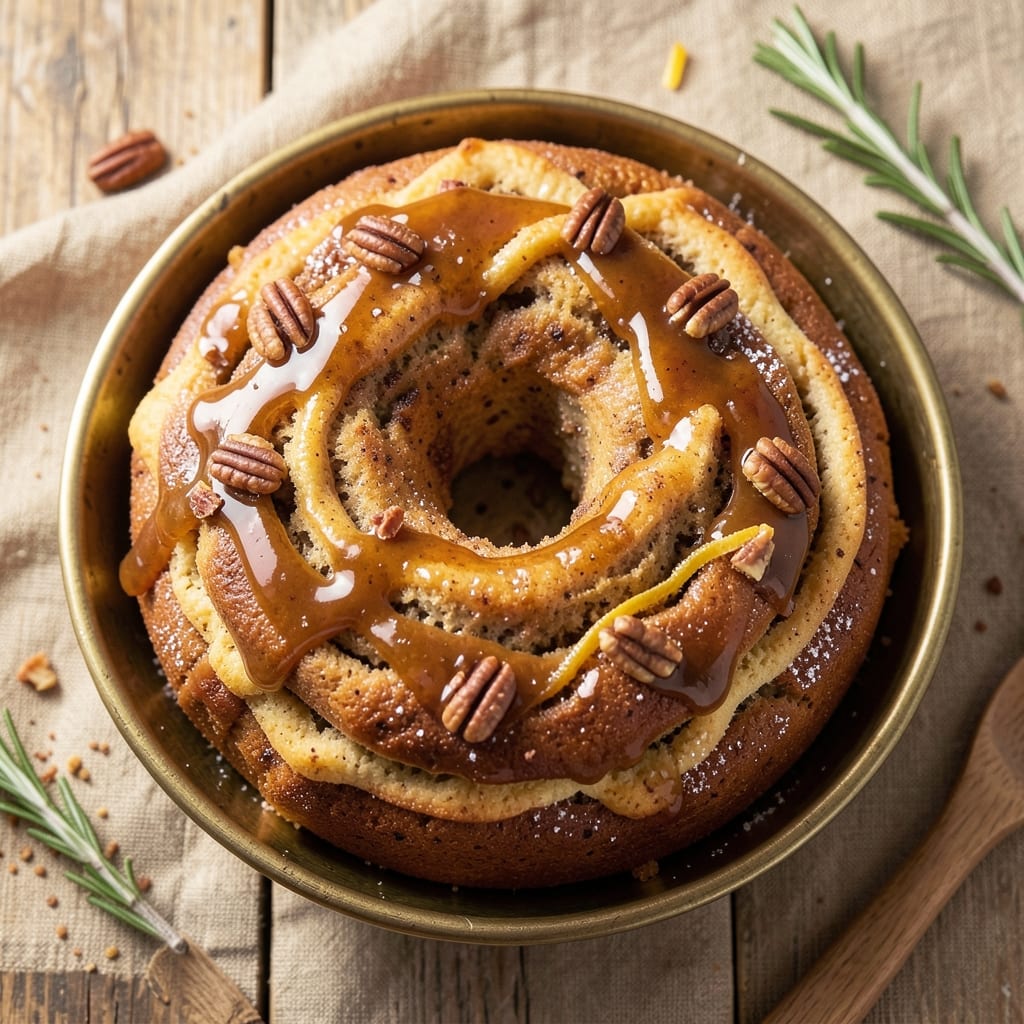
This apple cider doughnut loaf cake brings the cozy flavors of fall into a single, moist dessert that tastes like a cross between a classic doughnut and a spiced cider cake. The secret lies in a spiced cider soak that infuses every layer, creating a tender crumb with just the right amount of warmth and sweetness. I developed this recipe after years of baking yeast-based doughnuts, adapting their rich texture into a loaf format that’s perfect for slicing and sharing.
The cake starts with a moist, yeast-infused batter that rises just enough to create soft, pillowy layers—no dense, dry crumb here. A simple syrup made from apple cider, cinnamon, and a touch of vanilla soaks into the cake while it bakes, locking in that signature doughnut-like tenderness. The result? A loaf that’s rich, fragrant, and irresistibly moist, with a subtle caramelized edge that makes every slice feel special.
What sets this apart is the versatility—bake it as-is for a comforting, spiced cake, or brush the top with a cinnamon-sugar glaze for that classic doughnut finish. The cake keeps well for days, making it ideal for gatherings or a weekend treat. Whether you’re serving it warm with a scoop of vanilla ice cream or packing slices for a picnic, this loaf delivers the perfect balance of nostalgia and innovation. Ready to bake?
For an extra touch, you can drizzle the cooled cake with a simple glaze (powdered sugar + apple cider reduction) or dust it with cinnamon sugar for a festive look. The recipe scales easily, so you can adjust the size of the loaf pan to fit your needs. Let’s get started on this moisture-packed, spiced delight that tastes like autumn in every bite.
Ingredients for apple cider doughnut loaf cake
Pantry staples meet fall flavors in this doughnut-loaf hybrid—moist layers soaked in spiced cider goodness.
| Ingredient | Amount | Notes |
|---|---|---|
| All-Purpose Flour 🌾 | 2 ½ cups | Sifted for even texture |
| Granulated Sugar 🍚 | 1 ½ cups | White or light brown |
| Unsalted Butter 🧈 | 1 cup | Cold, cubed for even melting |
| Active Dry Yeast 🍞 | 2 ¼ tsp | Not instant yeast |
| Apple Cider 🍎 | 1 ½ cups | Unfiltered for depth of flavor |
| Large Eggs 🥚 | 2 whole | Room temperature |
| Milk 🥛 | ¾ cup | Whole milk preferred |
| Ground Cinnamon 🌿 | 2 tsp | Freshly ground preferred |
| Vanilla Extract 🍯 | 1 tbsp | Pure vanilla preferred |
| Salt 🧂 | 1 tsp | Kosher or sea salt |
| Baking Powder 🧂 | 2 tsp | Aluminum-free preferred |
| Powdered Sugar 🍚 | ½ cup | For glaze (optional) |
| Cinnamon Sugar Mix 🍯 | ¼ cup | For topping (optional) |
The yeast is non-negotiable here—Bob’s Red Mill or Saf-Instant work best. If your pantry yeast smells stale, toss it (trust me, it ruins everything). For the apple cider, local orchard brands have the best flavor—avoid the sweetened versions. The butter should be cold when you mix it in, or the batter will get too warm and activate the yeast too fast. I always grab Land O’Lakes unsalted butter from the grocery store’s dairy case—it’s reliable and affordable.
No vanilla extract? Vanilla bean paste works too, or even a scraped vanilla bean. Short on apple cider? Unsweetened apple juice plus 1 tsp cinnamon gets you close. The cinnamon sugar topping is optional but worth it—just mix 0.25 cup powdered sugar + 1 tsp cinnamon. For the glaze, reduce 0.5 cup apple cider + 0.25 cup powdered sugar on the stove until syrupy. If you’re baking in a high-altitude area, add 0.25 tsp more baking powder to compensate for the thinner air.
This cake keeps beautifully—3-4 days wrapped at room temp or 5 days in the fridge. For extra freshness, slice and freeze portions between parchment paper for up to 3 months. I like to make a double batch and wrap it tightly in plastic wrap—perfect for holiday gifts. Reheat slices in the oven at 300°F for 5 minutes to restore that doughnut-like softness.
Why You'll Love This Recipe
- No Yeast Hassle: I mix the dough in one bowl, let it rise overnight in the fridge—no kneading, no waiting for room temp. Wake up to a ready-to-bake loaf that smells like autumn morning.
- Cider Magic: That apple cider isn’t just flavor—it’s the star. The yeast feeds on it, making the crumb tender with a subtle tang, while the butter keeps it rich. Honestly, it’s the kind of taste that makes you pour another cup of coffee just to enjoy it.
- Weeknight Hero: Slice it warm for breakfast, pack leftovers for lunches, or serve with ice cream later. The doughnut holes baked into the loaf? They’re the perfect handheld snack when you’re too tired to cut a whole slice.
- Pantry Staple: Flour, sugar, butter—ingredients you already own. No specialty items, no last-minute grocery runs. And because it keeps well, I bake two loaves and freeze one. My secret weapon for lazy mornings and unexpected guests.
Step-by-step instructions for apple cider doughnut loaf cake
This spiced cider-infused cake delivers layers of moist, doughnut-like texture with every bite.
Activate the Yeast for Perfect Rise
In a small bowl, combine the 1.5 cups apple cider with 1 tablespoon granulated sugar and the 2.25 teaspoons active dry yeast. Let this sit in a warm place for 5-10 minutes until it becomes frothy. You'll know it's ready when bubbles form on the surface and the mixture smells slightly yeasty.
This step is crucial—it ensures your cake rises properly and develops that signature doughnut-like texture. If your kitchen isn't warm, place the bowl near a sunny window or over a bowl of hot water for gentle warmth. Don't skip this activation step, as cold yeast won't work properly and can leave your cake dense.
Cream Butter and Sugar for Light Texture
In a large mixing bowl, beat the 1 cup cold cubed unsalted butter with 1 cup granulated sugar on medium speed for 3-4 minutes until light and fluffy. The mixture should nearly double in volume and become pale in color. Scrape down the sides of the bowl as needed to ensure even mixing.
This creaming process incorporates air into the batter, which creates those tender, moist layers we're after. I like to use cold butter here because it creates small air pockets that melt beautifully in the oven. If your butter gets too soft, chill the bowl in the refrigerator for 10 minutes before continuing.
Combine Wet Ingredients for Moisture-Packed Base
Add the 2 whole large eggs, 1 tablespoon vanilla extract, and the yeast mixture to the butter-sugar mixture. Beat on low speed until just combined, then add the 0.75 cup milk, 2 teaspoons ground cinnamon, 1 teaspoon salt, and 2 teaspoons baking powder. Mix on low speed until everything is incorporated but don't overmix—just until you see a few flour streaks remain.
The reason we add the yeast mixture now is to infuse that delicious apple cider flavor throughout the entire batter. The cinnamon and vanilla work together to enhance the warm spice notes from the cider. This step is where the magic happens for that signature doughnut-like moisture—don't worry if the batter looks slightly thick, it will come together perfectly in the next step.
Fold in Flour for Perfect Texture
Gradually add the 2.5 cups sifted all-purpose flour to the wet ingredients, mixing on low speed just until combined. The batter should be thick but pourable. If it's too thick to mix easily, add 1-2 tablespoons of apple cider to loosen it. Pour the batter into a greased 9x5-inch loaf pan and spread it evenly.
This is where we ensure that signature tender crumb. The sifted flour helps prevent lumps and creates a lighter texture. Don't pack the flour in—just gently fold it in to maintain air pockets. Tap the pan gently on the counter a few times to release any air bubbles that might have formed during mixing.
Bake and Top for Ultimate Flavor
Bake in a preheated 350°F oven for 50-55 minutes or until a toothpick inserted into the center comes out clean. In the last 5 minutes of baking, sprinkle the 0.25 cup cinnamon sugar mix evenly over the top. The cake is done when the top is golden brown and the edges have pulled away slightly from the pan.
For that perfect finish, I like to make a simple glaze by whisking together the 0.5 cup powdered sugar with 1-2 tablespoons apple cider until smooth. Drizzle this over the warm cake and let it set for 10 minutes before serving. The glaze adds that extra touch of sweetness that balances the spiced cider flavor perfectly.
Pro Tips For Making Apple Cider Doughnut Loaf Cake
- Warm the cider first: The yeast in this dough needs to wake up fast, and cold apple cider will slow it down. Heat the cider to about 100°F (38°C)—just warm to the touch—before mixing it with the yeast and sugar. I used to skip this, and my dough always took twice as long to rise.
- Use a kitchen scale: Measuring flour by scooping leads to inconsistent batches, especially with a yeast-based dough. Weigh your all-purpose flour instead—350 grams gives you the right balance of structure and tenderness. After burning through three lumpy batches, I finally broke down and bought a scale.
- Don’t overmix the dough: Once you add the flour, stop mixing as soon as the dough comes together. Overworking it develops gluten, which makes the loaf dense instead of light and pillowy. Two minutes max—just until it’s shaggy and sticky.
- Bake in a water bath: This isn’t a fancy method, but it guarantees a moist, even bake. Place your loaf pan in a larger roasting pan, add about 1 inch of hot water, and cover the loaf with foil. The steam keeps the top from drying out while the bottom bakes through. Yes, it’s an extra step, but the texture is worth it.
Regional styles of this recipe
New England Classic
In New England, this loaf cake becomes a centerpiece for harvest celebrations. Locals often enhance it with 1 tsp nutmeg and ½ tsp cloves, inspired by traditional spice cakes. Serve warm with a scoop of maple cream ice cream—a regional favorite. The apple cider soak gets a boost with ¼ cup apple cider reduction (simmered with 1 tbsp brown sugar) poured over the batter before baking. This technique creates a caramelized crust that's pure autumn magic. 🍁
Southern Comfort Style
Down South, this cake transforms into a decadent dessert with a bourbon-infused glaze. Replace the simple glaze with ½ cup powdered sugar + 1 tbsp bourbon + 1 tbsp apple cider, reduced to a syrup. The Southern twist also includes ½ cup chopped pecans pressed into the top before baking. For extra richness, many Southern bakers add 2 tbsp sour cream to the batter. This version pairs perfectly with sweet tea and becomes a staple at church potlucks. 🥃
Pacific Northwest Twist
The Pacific Northwest takes this cake in a fruit-forward direction by folding in ½ cup finely chopped dried apples (soaked in warm cider for 10 minutes first). The region's love of berries shines through with a blueberry compote drizzle: simmer 1 cup blueberries + 2 tbsp apple cider + 1 tbsp honey until thickened, then brush over the cooled cake. The cool, rainy climate makes this moist cake even more comforting. Many bakers here use local pear cider instead of apple for a subtler flavor. 🌧️
Midwest Homestyle
Midwestern bakers embrace this recipe as a comforting weekend project, often doubling the batch to share with neighbors. The key regional adaptation is adding ½ tsp cardamom to the spice mix, creating a unique flavor profile. For presentation, they wrap the cooled cake in parchment paper and tie it with twine, making it perfect for holiday gifts. The Midwest version also includes a cream cheese frosting (mix 4 oz cream cheese + 2 tbsp butter + 1 cup powdered sugar) for a tangy contrast to the sweet cider flavors. 🏡
Urban Adaptation
City bakers put their own spin on this classic by making it gluten-free using 1:1 gluten-free flour blend (like Bob's Red Mill) and adding ½ cup almond flour for moisture. The urban twist also includes a chocolate-dipped finish: dip half the cake in melted dark chocolate and sprinkle with crushed hazelnuts. For busy schedules, many urban bakers prepare the batter ahead and refrigerate it overnight, baking it straight from the fridge for a denser, more flavorful result. This version is perfect for small apartments where loaf pans are more practical than sheet cakes. 🏙️
Nutrition facts
Frequently asked questions
Why does this recipe use yeast in a cake?
Yeast creates that signature doughnut-like texture by developing air pockets during baking, resulting in a tender, moist crumb. Unlike traditional cakes, this recipe mimics the pillowy quality of yeast-based doughnuts while keeping the convenience of a loaf format. The yeast also helps create a lighter, more flavorful cake that soaks up the apple cider beautifully.
Can I make this cake without a loaf pan?
Use a 9-inch round cake pan or even a 9x13-inch baking dish for a sheet cake version. For the round pan, bake at 350°F for 30-35 minutes until set. The baking dish will take about 40-45 minutes. Just adjust your expectations for portion sizes—this cake is best enjoyed fresh and moist, so plan accordingly.
How do I store leftovers to keep them moist?
Wrap the cooled cake tightly in plastic wrap or aluminum foil, then place it in an airtight container. It stays fresh for 3-4 days at room temperature or 5-6 days in the fridge. For longer storage, slice and freeze portions between parchment paper for up to 3 months. Reheat slices in the oven at 300°F for 5 minutes to restore that doughnut-like softness.
What's the best way to test if the cake is fully baked?
Insert a toothpick into the center—it should come out clean or with just a few moist crumbs. The cake should also pull away slightly from the edges of the pan and have a golden brown top. If you're unsure, check the internal temperature with an instant-read thermometer: it should reach 205-210°F. Overbaking can dry out the cake, so err on the side of slightly underdone if needed.
Can I substitute apple cider with something else?
For a similar flavor, use unsweetened apple juice + 1 tsp cinnamon or pear nectar. For a different profile, try orange juice + 1 tsp vanilla or even chai tea concentrate (simmered and reduced). Avoid sweetened juices—they'll make the cake too moist. The key is maintaining the liquid-to-flavor ratio while keeping the acidity balanced for proper yeast activation.