
Desserts
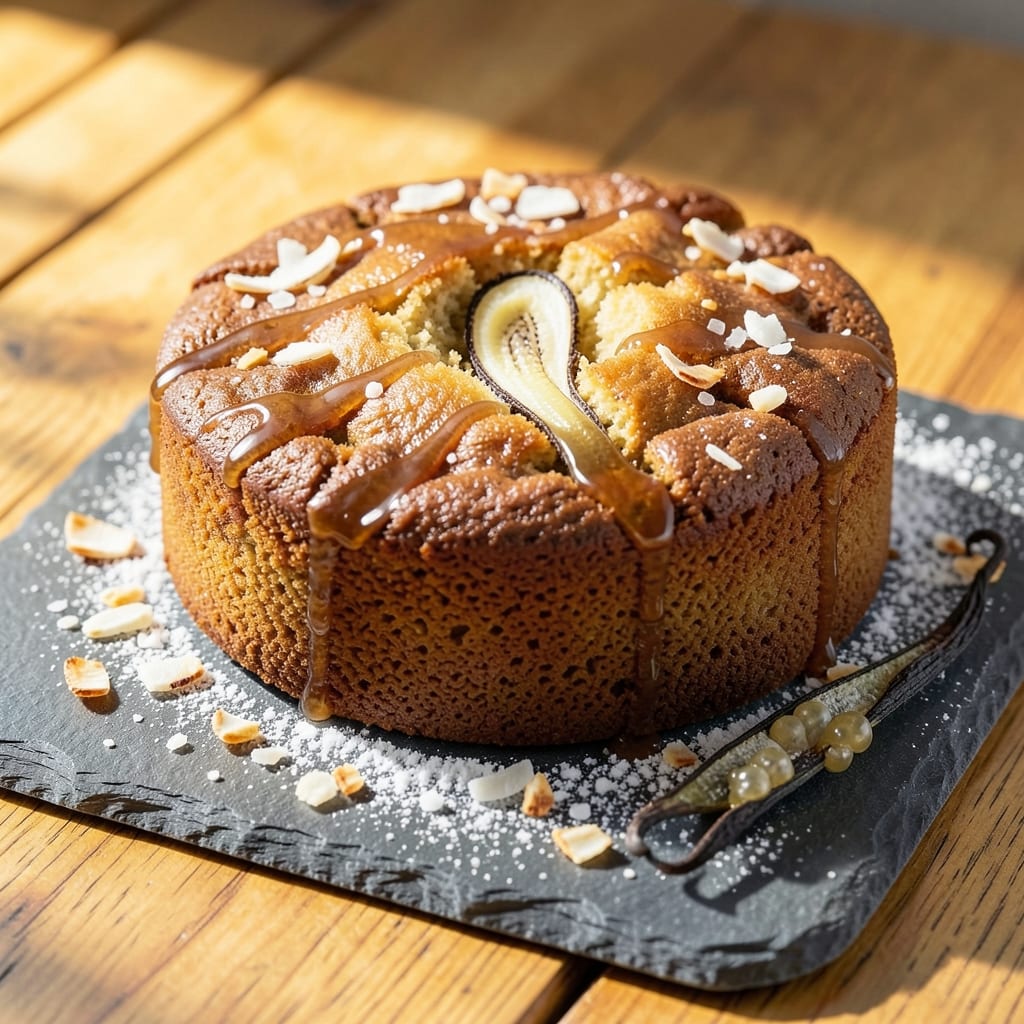
This baked mung bean cake delivers a nutty, moist texture that rivals traditional flour-based desserts—without any dairy or eggs. 💛 The secret lies in blending soaked mung beans with vanilla bean for depth, creating a naturally sweet, protein-rich cake that bakes up tender yet sturdy. I developed this recipe after craving a healthier dessert option that still satisfied my sweet tooth and delivered restaurant-quality results.
The beauty of this recipe is its simplicity: just five core ingredients transform into a cake with a velvety crumb and subtle vanilla notes. Unlike dense bean-based desserts, this version incorporates baking powder for lift and coconut oil for richness, ensuring every slice stays moist. The mung beans absorb liquid beautifully, eliminating the need for artificial binders or excessive sugar.
What you'll achieve is a cake that's naturally sweet, lightly fragrant, and perfect for slicing or serving whole. The vanilla bean adds layers of aromatic complexity without overpowering the earthy mung bean flavor. This recipe serves as both a satisfying dessert and a nutritious snack option—ideal for vegan diets or anyone seeking plant-based alternatives.
Pair it with fresh berries or a drizzle of maple syrup for added indulgence. The cake keeps well at room temperature for 2 days, making it perfect for meal prep or gifting. Let's create this nutty, moist masterpiece that proves healthy desserts can be just as delicious as traditional ones.
Ingredients for baked mung bean cake
Five core ingredients transform into a protein-rich cake with velvety crumb and subtle vanilla depth.
| Ingredient | Amount | Notes |
|---|---|---|
| Mung Beans (Yellow, Split) 🌱 | 2 cups | Uncooked, soaked overnight |
| Vanilla Bean 💜 | 1 whole | Seeds scraped, pod reserved |
| Coconut Oil (Refined) 🥥 | ½ cup | Melted, full-fat preferred |
| Pure Maple Syrup 🍁 | ⅓ cup | Grade A or B preferred |
| Baking Powder 🍞 | 1 ½ tsp | Aluminum-free preferred |
| Sea Salt 🧂 | ¼ tsp | Fine grain preferred |
| Unsweetened Almond Milk 🥛 | ½ cup | Vanilla-flavored optional |
| Coconut Flour 🌾 | ¼ cup | Sifted for even texture |
| Lemon Zest 🍋 | 1 tbsp | Fresh, organic preferred |
The mung beans are the foundation—yellow split for optimal texture, not green. Soak them overnight in water (they'll triple in size) for maximum moisture absorption. Trader Joe's and Whole Foods carry high-quality split mung beans in bulk bins, but Asian grocery stores offer the freshest and most affordable options. The vanilla bean is non-negotiable for depth; Madagascar Bourbon beans deliver the richest flavor. If using seeds only, double the amount. For the coconut oil, refined ensures neutral flavor, while unrefined adds subtle coconut aroma—your choice depends on whether you want pure vanilla notes or a tropical twist.
No vanilla bean? Pure vanilla extract at half the amount works in a pinch, though the seeds provide that signature speckled appearance. Substitute maple syrup with agave nectar or date syrup, but reduce by 10% due to varying sweetness levels. The coconut flour is critical for structure—Bob's Red Mill brand is the gold standard. For a lighter texture, replace 1 tbsp of coconut flour with arrowroot powder. The almond milk can be swapped for oat milk or cashew milk, but unsweetened versions maintain the cake's natural sweetness balance. If you're making this ahead, prepare the batter up to 24 hours early and refrigerate—it develops better flavor over time.
Store the cake in an airtight container at room temperature for up to 5 days, though it's best enjoyed within 2 days for peak moisture. For longer storage, wrap tightly in parchment paper and freeze for up to 3 months. The cake reheats beautifully—wrap a slice in foil and warm in a 350°F oven for 5 minutes to restore its tender crumb. Portion into individual servings before freezing for easy grab-and-go snacks. The lemon zest adds freshness, but if you prefer a sweeter profile, omit it and increase maple syrup by 1 tsp—every bite should harmonize the nutty bean base with the vanilla's aromatic sweetness.
Why You'll Love This Recipe
- No-Fuss Mixing: I swear by the 5-minute prep—just toss split mung beans, coconut oil, and maple syrup in a bowl. No blender, no straining, no mess. The vanilla bean ties it all together with that warm, subtle depth that makes you wonder why you didn’t bake this sooner.
- Sweet Crispy Magic: That golden crust? Pure satisfaction. The coconut oil creates a delicate crunch while the maple syrup keeps it moist—like a cross between a cake and a cookie, but better. Honestly, the first bite makes me reach for seconds without thinking.
- Breakfast or Dessert: Serve it warm with a drizzle of maple syrup for a protein-packed breakfast, or dust it with cinnamon for an after-dinner treat. My kids ask for it at both meals—proof it’s a crowd-pleaser that doesn’t need a fancy occasion.
- Budget-Friendly Leftovers: Split mung beans are dirt cheap, and this recipe stretches far. I make a big batch on Sundays, slice it up, and keep it in the fridge for snacks or quick breakfasts all week. No waste, no guilt—just pure, reliable comfort.
Step-by-step instructions for baked mung bean cake
Transforming soaked mung beans into a tender, nutty cake requires precision timing and layering of flavors.
👨🍳 Step 1: Prepare the Mung Bean Base
Drain the soaked 2 cups Mung Beans (Yellow, Split) and transfer them to a food processor. Pulse until you achieve a fine, mealy consistency—think somewhere between hummus and wet sand. This texture is crucial for creating that signature moist crumb in your cake. If you encounter any stubborn dry bits, give them a quick hand mash with a fork before returning them to the processor.
With the processor running, slowly drizzle in the 0.5 cup melted Coconut Oil (Refined) and 0.5 cup Unsweetened Almond Milk. The mixture will become thick and paste-like. Scrape down the sides as needed to ensure even blending. The goal is to create a smooth batter that coats the back of a spoon—this ensures even distribution of moisture throughout the cake. If the batter appears too thick, add 1 tablespoon more almond milk.
🍳 Step 2: Incorporate Sweetness and Leavening
In a separate bowl, whisk together the 0.33 cup Pure Maple Syrup, 1.5 tsp Baking Powder, 0.25 tsp Sea Salt, and the scraped seeds from the 1 whole Vanilla Bean. The vanilla seeds add depth that complements the earthy mung beans beautifully. Fold this mixture into the mung bean batter using a silicone spatula, being careful not to overmix. You want to maintain some air pockets for a lighter texture.
Next, gently fold in the 0.25 cup Coconut Flour and 1 tbsp Lemon Zest. Sift the coconut flour first to prevent clumping—this ensures an even distribution throughout the batter. The lemon zest adds a bright contrast to the nutty sweetness, cutting through the richness. Mix just until combined; any additional mixing will develop gluten and make the cake dense rather than tender.
🔥 Step 3: Bake to Golden Perfection
Preheat your oven to 350°F and grease an 8-inch round cake pan generously with coconut oil. Line the bottom with parchment paper for easy removal. Pour the batter into the prepared pan and smooth the top with a spatula. Tap the pan gently on the counter a few times to release any air bubbles that may have formed during mixing.
Bake for 40-45 minutes until a toothpick inserted into the center comes out clean and the edges are light golden brown. The cake should spring back slightly when touched, indicating it's fully set. Real talk: your oven might run hot, so start checking at the 35-minute mark—the exact time depends on your oven's quirks. If the top browns too quickly, tent the cake with foil after 25 minutes to prevent over-browning while the center finishes baking.
⏰ Step 4: Rest and Serve
Remove the cake from the oven and let it cool in the pan for 10 minutes before transferring it to a wire rack to cool completely. This resting period allows the moisture to redistribute, preventing a dry crumb. The cake will firm up as it cools, developing that perfect balance between tender and slightly dense texture that mung bean cakes are known for.
Slice into 8 equal portions and serve at room temperature. The cake's flavor profile evolves beautifully over time—the vanilla and lemon zest mellow while the nutty mung beans become more pronounced. For an extra touch, dust the top with a light layer of powdered sugar or serve with a dollop of coconut whipped cream. Each bite should deliver that moist, cake-like texture with subtle sweetness and aromatic depth.
Pro Tips For Making Baked Mung Bean Cake
- Soak the Beans Overnight: Split mung beans are stubborn little things—they won’t blend smoothly if you rush the soaking. Toss them in water for at least 8 hours (or overnight if you’re not in a hurry), then drain and rinse. Trust me, your cake won’t turn into a gluey mess if you skip this.
- Scrape the Vanilla Bean: That vanilla bean isn’t just for looks—it’s the soul of your cake. Scrape out every last bit of those tiny black seeds (yes, even the ones clinging to the sides) and add them to your batter. Using just the paste? You’re missing half the flavor.
- Bake at 325°F, Not Higher: I learned this the hard way—cranking the oven to 350°F makes these cakes dry out before they’re done. Stick to 325°F and bake for 40-45 minutes, or until a toothpick comes out clean. Patience here means no rubbery texture.
- Use Refined Coconut Oil: Unrefined coconut oil will leave your cake with a weird aftertaste and a weird texture—like eating a moist but slightly greasy sponge. Refined is neutral and blends right in. Melt it first, though, or you’ll end up with lumps.
Best sauces and condiments for baked mung bean cake
Creamy Maple Glaze
Warm ¼ cup pure maple syrup with 2 tbsp coconut cream in a small saucepan over low heat until smooth and slightly thickened (about 3-4 minutes). Brush this glaze over the cooled cake layers or drizzle generously before serving. The maple syrup enhances the cake's natural sweetness while the coconut cream adds a velvety finish. I like to add a pinch of sea salt to the glaze for a sophisticated balance. 🍁
Citrus Zest Compote
Simmer ½ cup orange juice with 1 tbsp lemon juice, 1 tbsp maple syrup, and ½ tsp grated orange zest for 5 minutes until slightly reduced. Strain and pour over warm cake slices. The bright citrus cuts through the cake's richness while complementing the vanilla notes. For extra flair, garnish with edible flowers or a sprinkle of toasted coconut flakes.
Spiced Coconut Whipped Cream
Whip 1 cup full-fat coconut cream (chilled overnight) with 1 tbsp maple syrup, ½ tsp cinnamon, and a pinch of vanilla extract until fluffy. Serve alongside cake slices for a tropical twist. The coconut's natural sweetness harmonizes perfectly with the mung bean's nutty profile. For a lighter option, use aquafaba (chickpea brine) whipped with 1 tbsp coconut oil for stability. ✨
Dark Chocolate Ganache
Melt ½ cup vegan dark chocolate chips (70% cocoa) with 2 tbsp coconut milk over a double boiler. Let cool slightly, then drizzle over cake slices or use as a filling between layers. The bitterness of dark chocolate contrasts beautifully with the cake's sweetness. For a quicker version, microwave in 20-second bursts, stirring between each. Store leftover ganache in an airtight container for up to 1 week.
Berry Compote Swirl
Cook 1 cup mixed berries (fresh or frozen) with 1 tbsp maple syrup and ½ tsp lemon juice over medium heat for 5 minutes until juices thicken. Spoon over cake slices or swirl into the batter before baking for a fruity surprise. Blueberries and raspberries work best, but strawberries add a vibrant pop. For a smoother texture, blend the cooked berries until smooth before using. 🍓
Toasted Nut Butter Drizzle
Warm ¼ cup almond or cashew butter with 1 tsp maple syrup until smooth, then drizzle over cake slices. Toast 2 tbsp chopped pecans or walnuts in a dry pan for 2-3 minutes until fragrant, then sprinkle on top. The nutty depth mirrors the mung beans while adding crunch. For a richer drizzle, mix in 1 tsp tahini for an earthy twist.
Nutrition facts
Frequently asked questions
Can I substitute mung beans with other legumes for this cake?
While mung beans provide the ideal texture and flavor, you can experiment with chickpea flour or lentil flour for a similar protein-rich base. For best results, blend cooked chickpeas into a paste (similar consistency to hummus) and adjust liquid ratios—start with 1 tbsp extra almond milk per ½ cup flour substitute. The flavor will differ slightly, leaning more earthy or nutty.
Why does my batter look too thick or too thin?
If your batter is too thick, add 1 tbsp more almond milk at a time until it reaches a smooth, spoonable consistency (like thick pancake batter). If it's too thin, fold in 1 tbsp extra coconut flour or let it rest for 10 minutes—the mung beans absorb liquid over time. The perfect batter should be thick enough to coat the back of a spoon but still flow gently when poured.
How do I make this cake gluten-free and nut-free?
Replace coconut flour with ½ cup gluten-free oat flour and omit almond milk—use ½ cup coconut milk instead. For nut-free, ensure your coconut oil and vanilla extract are certified nut-free. The cake will still hold together well, though the texture may be slightly denser. Always check labels on baking powder for gluten-free certification if needed.
Can I bake this cake in a different pan shape?
Yes! Use an 8-inch square pan (bake 35-40 minutes) or a 9-inch round pan (bake 45-50 minutes). For loaf pans, reduce baking time by 5-10 minutes and check for doneness early. Adjust portion sizes accordingly—an 8-inch round serves 8, while a 9-inch square serves 12. Grease pans thoroughly to prevent sticking, especially with coconut flour.
What if my cake turns out too dense?
Density often happens from overmixing or insufficient baking powder. Next time, fold ingredients gently and ensure your baking powder is fresh (test by mixing with water—it should fizz). For a quick fix, slice the cake thinner and serve with a drizzle of maple glaze or whipped coconut cream to restore moisture. The texture will improve as it sits overnight in an airtight container.