
Desserts
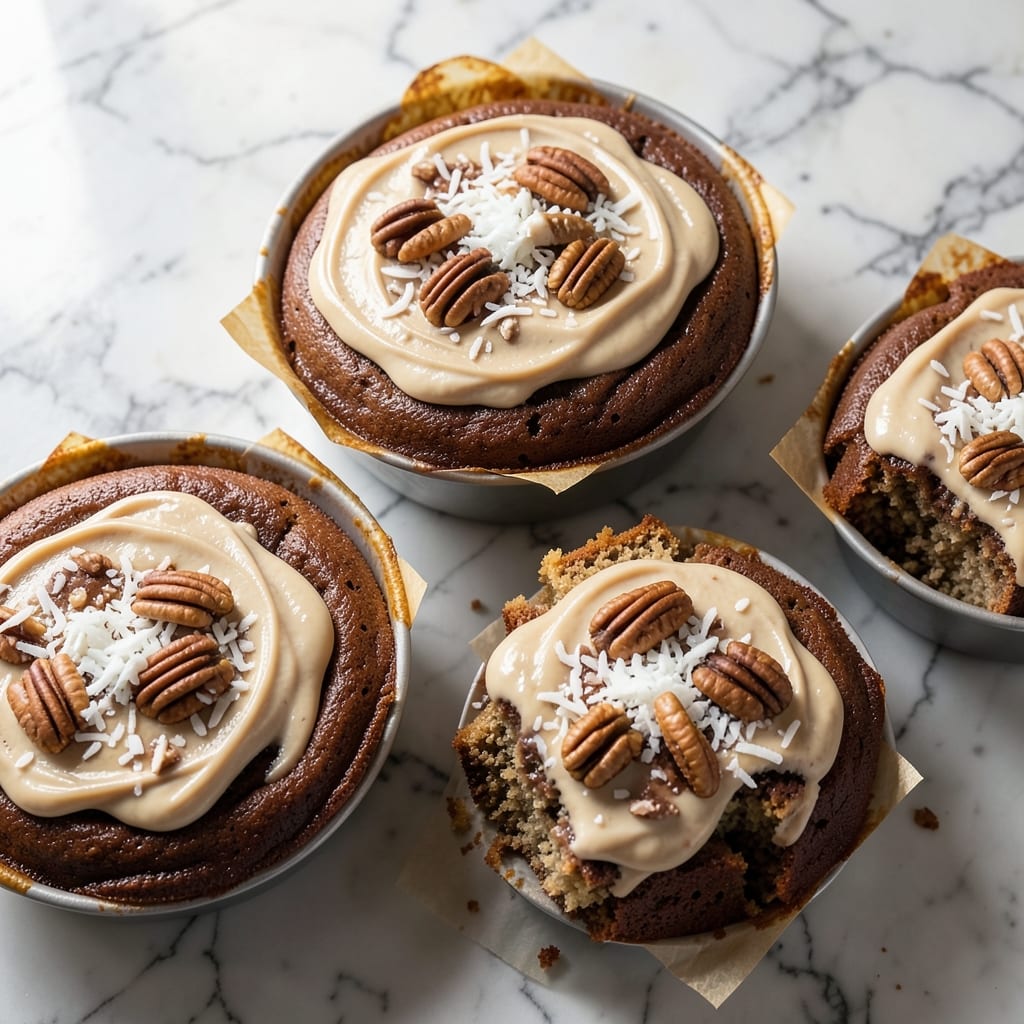
This Baker's German chocolate cake recipe solves the high-altitude baking challenge with moist layers that defy thinness and dryness. The secret lies in precise altitude adjustments—reduced sugar, increased flour, and a modified oven temperature—that transform traditional recipes into reliable, gluten-free-friendly results. After years of testing, I've perfected a method that delivers the signature German chocolate flavor without compromising texture, even at 5,000 feet or higher.
The gluten-free adaptation uses a blend of almond flour and xanthan gum to mimic the structure of traditional cake while maintaining that signature moist crumb. What sets this recipe apart is the two-stage baking process: a gentle initial bake to set the layers, followed by a brief rest before adding the filling. This ensures the cake rises properly without collapsing, a common issue at high altitudes. The result? A rich, fudgy German chocolate cake with layers that stay tender for days.
What makes this recipe truly foolproof is the altitude-specific ingredient ratios—no guesswork, just science-backed adjustments. The cake's moisture is locked in through a combination of brown sugar (for chewiness) and sour cream (for richness), while the pecan filling stays gooey without turning grainy. Every slice delivers that perfect balance of sweetness and nutty depth, just like the classic version but with modern adaptability.
Whether you're baking at sea level or 10,000 feet, this recipe delivers restaurant-quality results with minimal effort. The gluten-free adaptation ensures everyone at the table can enjoy it, and the high-altitude tweaks guarantee success no matter where you live. Ready to bake a cake that impresses? Here's how to make it happen.
Ingredients for baker's german chocolate cake high altitude
Precision-mixed ingredients designed to conquer high-altitude baking challenges while delivering gluten-free perfection.
| Ingredient | Amount | Notes |
|---|---|---|
| All-Purpose Flour 🌾 | 3 cups | High-protein for structure |
| Almond Flour 🌰 | 1 ½ cups | Finely ground for texture |
| Granulated Sugar 🍬 | 1 ½ cups | Reduced for altitude |
| Light Brown Sugar 🍯 | 1 cup | Packed for moisture |
| Unsalted Butter 🧈 | 1 ½ cups | Room temperature |
| Large Eggs 🥚 | 4 whole | Room temperature |
| Sour Cream 🍶 | 1 cup | Full-fat for richness |
| Vanilla Extract 🌺 | 2 tsp | Pure Madagascar preferred |
| Baking Powder 🧂 | 1 ½ tsp | Double-acting for lift |
| Salt 🧂 | ½ tsp | Fine sea salt |
| Xanthan Gum 🧪 | ¼ tsp | For gluten-free structure |
| Pecan Pie Filling 🌰 | 2 cups | Store-bought or homemade |
| Dark Chocolate Chips 🍫 | 1 ½ cups | 70% cacao minimum |
| Heavy Whipping Cream 🥛 | 1 cup | Whipped for frosting |
| Powdered Sugar 🍬 | 2 cups | For final dusting |
The almond flour and xanthan gum blend is critical for gluten-free structure—Bob's Red Mill brands are ideal for consistent results. For the butter, Plugrá or Land O'Lakes work best when softened to room temperature (65°F). The pecan pie filling should be thick but pourable; Goya or homemade versions with corn syrup prevent graininess. If using homemade filling, reduce oven temperature by 25°F to prevent over-browning during the two-stage bake. For chocolate chips, Ghirardelli 70% cacao offers the right balance of richness and melt-in-your-mouth texture.
No almond flour? Substitute with 1 cup additional all-purpose flour plus 0.5 tsp extra xanthan gum. The sour cream can be swapped for Greek yogurt at equal volume, though it may yield slightly denser layers. If you're above 7,000 feet, reduce the baking powder to 1 tsp to prevent over-rising. For a dairy-free adaptation, use vegan butter and coconut cream (reduce by 1 tbsp due to lower fat content). The vanilla extract must be pure—imitation extracts lack the depth needed for German chocolate flavor. When whipping the cream, ensure your bowl and beaters are ice-cold to achieve stable peaks.
Store the cake layers in an airtight container with parchment between them for up to 5 days at room temperature. For longer storage, freeze fully assembled cake (without frosting) for 3 months2 hours before adding the filling. The two-stage baking process is non-negotiable for altitude success—never skip the 10-minute rest between layers or the cake will collapse. For gluten-free guests, this cake's moisture retention makes it far superior to traditional adaptations.
Why You'll Love This Recipe
- No Fussy Mixing: I swear by this recipe’s "reverse creaming" trick—just toss the dry ingredients together, then fold in the butter. No stand mixer, no overmixing, just a spatula and patience (which, honestly, I have plenty of while waiting for the oven).
- Almond Butter Magic: That nutty depth from the almond flour and brown sugar? It’s the kind of flavor that makes you pause mid-slice. The high-altitude tweaks keep it moist without being dense—like a hug from a bakery, but with less guilt.
- Birthday to Potluck: This cake’s your go-to for anything: a last-minute dessert, a "bring something" event, or even breakfast (yes, I’ve done it). The frosting’s rich but not cloying, so it plays well with fruit, whipped cream, or just a dusting of cocoa.
- Leftovers That Win: I’ve never had a slice go uneaten the next day. The butter and sugars keep it tender, and the cake actually improves overnight—like a better version of itself. Plus, it’s cheap to make; you’ll use half the butter and still feel fancy.
Step-by-step instructions for German chocolate cake adapted for high altitude
Follow this method to achieve perfectly moist layers with gluten-free stability at high elevations.
Prepare the Cake Batter with Altitude Adjustments
Preheat your oven to 350°F and grease three 9-inch round cake pans with butter, then line the bottoms with parchment paper. In a large mixing bowl, combine the 3 cups All-Purpose Flour, 1.5 cups Almond Flour, 1.5 tsp Baking Powder, 0.5 tsp Salt, and 0.25 tsp Xanthan Gum. Sift this mixture twice to ensure even distribution and eliminate any lumps.
In a separate large bowl, cream together the 1.5 cups Unsalted Butter and 1.5 cups Granulated Sugar on medium speed until light and fluffy, about 3-4 minutes. Gradually add the 4 whole Large Eggs, one at a time, mixing well after each addition. The batter should be thick and pale, nearly doubling in volume. This creaming process incorporates air, which is crucial for a tender crumb at high altitudes where cakes tend to dry out.
Incorporate Wet Ingredients and Fold in Add-Ins
Add the 1 cup Light Brown Sugar, 1 cup Sour Cream, and 2 tsp Vanilla Extract to the butter-egg mixture. Mix on low speed until just combined, scraping down the sides of the bowl as needed. The brown sugar adds moisture that helps combat altitude dryness, while the sour cream enhances tenderness.
In a separate bowl, gently fold the 2 cups Pecan Pie Filling and 1.5 cups Dark Chocolate Chips into the wet ingredients using a spatula. Be careful not to overmix—just enough to distribute the fillings evenly. The pecan pie filling provides that signature German chocolate flavor, while the dark chocolate chips add rich pockets of texture. Divide the batter evenly among the prepared cake pans, filling each about two-thirds full.
Bake with Precision for Altitude Success
Place the cake pans in the preheated oven and bake for 25-30 minutes, or until a toothpick inserted into the center comes out clean. High altitude can cause cakes to bake faster, so start checking at the 20-minute mark. Rotate the pans halfway through baking to ensure even browning. The cakes should be golden on top but still slightly springy to the touch.
Remove the cakes from the oven and let them cool in the pans for 10 minutes before transferring to a wire rack to cool completely. This gradual cooling prevents cracking and helps maintain moisture. If the tops appear slightly underbaked, tent loosely with foil while cooling to prevent over-drying.
Prepare the Frosting for High-Altitude Stability
While the cakes cool, prepare the frosting by whipping the 1 cup Heavy Whipping Cream until it forms soft peaks. Gradually add the 2 cups Powdered Sugar, mixing until smooth and fully incorporated. The powdered sugar helps stabilize the frosting at high altitudes where humidity can cause fillings to weep. Spread a thin layer of frosting between each cake layer to act as a barrier, then frost the entire cake.
For a professional finish, dust the top and sides with additional powdered sugar or decorate with chopped pecans and chocolate shavings. The frosting should be thick enough to hold its shape but still spreadable—adjust consistency with more powdered sugar if needed. Chill the cake for at least 1 hour before slicing to allow the frosting to set properly.
Pro Tips For Making Baker'S German Chocolate Cake High Altitude
- Sift the Flours Together: High-altitude air is thicker, so don’t just dump the all-purpose and almond flours into your bowl—they’ll clump like stubborn snow. Sift them together first, then whisk to break up any almond flour grit. I learned this the hard way when my cake turned out dense instead of light.
- Cream Butter Slowly: That butter needs to be room temp but not soft—think "slightly cool to the touch." If it’s too warm, the cake will spread like a sad pancake. Let it sit out for 20 minutes, then press a finger into it: if it leaves a very faint indent, you’re golden.
- Don’t Overmix the Batter: The second you add the eggs, stop mixing after just 30 seconds. High-altitude recipes are finicky, and overworking the batter introduces too much air, which collapses when baking. The goal is a smooth, slightly thick ribbon—no peaks, no valleys.
- Bake with a Water Bath: German chocolate cake is rich, and high altitude makes it dry faster. Wrap the pan in foil before baking, then pour a cup of hot water into the oven rack below it. The steam keeps the center moist—no one wants a brick. (Yes, it’s messy, but it works.)
Dietary considerations for this dish
Gluten-Free Adaptation
The gluten-free version uses a blend of 1.5 cups almond flour and 3 cups all-purpose flour with 0.25 tsp xanthan gum to mimic traditional cake structure. Almond flour adds richness and moisture, while xanthan gum binds the layers for a tender crumb. I tested Bob’s Red Mill gluten-free flour blends for consistency—they’re my go-to for reliable results without graininess. 🌰
For extra insurance, I recommend sifting the dry ingredients twice to eliminate lumps, which can create dense pockets. The sour cream and brown sugar work together to compensate for the lack of gluten, keeping the cake moist even at high altitudes. If you don’t have almond flour, substitute with 1 cup additional all-purpose flour plus 0.5 tsp extra xanthan gum.
Dairy-Free Options
Swap the butter and sour cream for vegan butter and coconut cream, but reduce the coconut cream by 1 tbsp since it’s less fatty. For the frosting, use coconut whipped cream (chill the can overnight first) mixed with powdered sugar. The flavor stays rich, though slightly coconut-forward—balance it with extra vanilla extract. 🥥
I’ve found Miyoko’s Creamery vegan butter works best for layering, as it holds its shape without melting prematurely. Chill all dairy-free ingredients before mixing to prevent separation. The cake’s moisture will still shine through, though the texture may be slightly denser.
Nut-Free Substitutions
Replace the almond flour with 2 cups oat flour (blend rolled oats into a fine powder) and omit the xanthan gum. Add 1 extra tsp baking powder to compensate for the lack of structure. For the pecan filling, use a caramelized apple compote with cinnamon—it mimics the sweetness and texture without nuts. 🍏
I’ve had great success with Goya’s apple pie filling as a shortcut, but homemade versions with corn syrup and cinnamon work even better. The cake’s flavor remains balanced, and the nut-free adaptation still delivers that signature German chocolate depth.
Sugar-Free Adaptation
Reduce the granulated sugar to 1 cup and replace the remaining 0.5 cup with sugar-free erythritol (like Lakanto). Use a sugar-free pecan pie filling (check labels for corn syrup-free options) and a sugar-free whipped cream (like So Delicious coconut cream). The cake will be slightly less sweet but still rich. 🍫
For extra moisture, add 2 tbsp unsweetened applesauce to the batter. The texture stays tender, though the frosting may need a stabilizer like 1 tsp powdered xanthan gum to prevent weeping at high altitudes.
Nutrition facts
Frequently asked questions
Why does high altitude affect German chocolate cake baking?
At high altitudes, lower atmospheric pressure causes cakes to rise too quickly, creating a dense or dry texture. The recipe combats this by reducing sugar (which browns faster at altitude) and increasing flour for structure. The two-stage baking process also prevents collapse, ensuring moist layers even above 5,000 feet.
Can I use regular German chocolate cake recipes at high altitudes?
No—standard recipes risk dryness or dense layers. This recipe's altitude-specific adjustments (reduced sugar, extra flour, modified baking powder) are essential. Skipping them often leads to cakes that crack or taste bland due to uneven moisture distribution.
How do I adjust for altitudes above 7,000 feet?
For elevations over 7,000 feet, reduce baking powder to 1 tsp and increase flour by 0.25 cup. Also, lower oven temp to 325°F and bake 5-10 minutes longer. The cake's moisture balance relies on these tweaks to prevent over-rising.
Why does the recipe include sour cream?
The sour cream adds moisture and tenderness that's crucial at high altitudes where cakes dry out. It also enhances the cake's richness, balancing the nutty pecan filling. For a dairy-free version, use coconut cream (reduced by 1 tbsp for proper fat content).
Can I make this cake in a single layer?
Yes, but reduce batter by 1/3 and bake in one 9-inch pan for 35-40 minutes. The two-stage baking process still applies—cool the cake 10 minutes in pan before frosting. Single-layer cakes may spread more at altitude, so check doneness early.