
Desserts
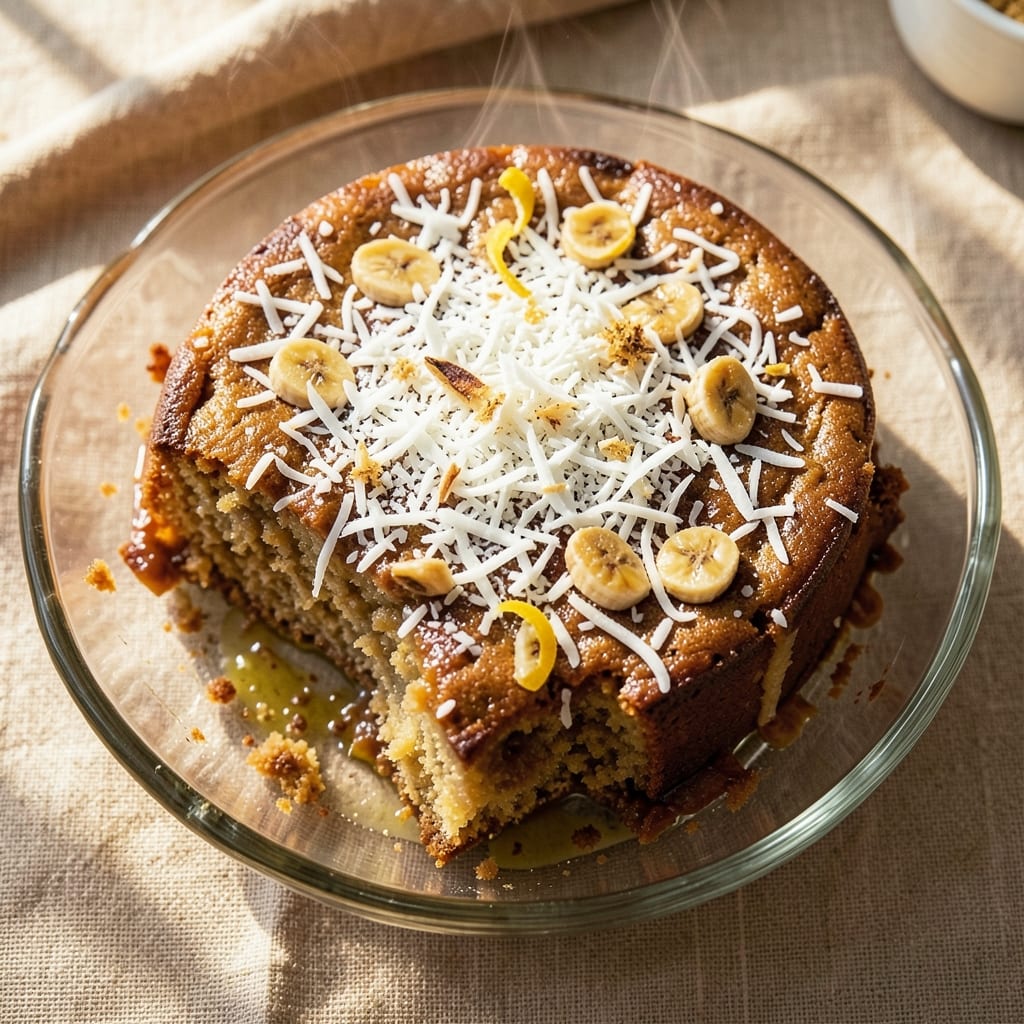
This moist banana and coconut cake recipe delivers the perfect balance of tropical flavors and irresistible moisture, thanks to a clever technique that keeps every slice tender for days. The secret lies in using ripe bananas and buttermilk, which infuse the cake with natural sweetness while locking in moisture—no dry crumbs here. I've baked this version countless times, and it's the one that finally convinced even my most skeptical friends to request seconds.
The magic happens in the swirl—ripened bananas caramelize beautifully as they bake, creating pockets of gooey sweetness that contrast perfectly with the coconut's nutty richness. This recipe also incorporates shredded coconut both in the batter and as a topping, giving you that authentic island vibe with every bite. The texture is what truly sets it apart: light yet dense, with a crumb that's almost too tender to cut through.
What makes this cake truly special is how it improves overnight. The flavors meld and intensify, making it even more decadent the next day—ideal for meal prep or gifting. Whether you're celebrating a birthday, craving a tropical treat, or simply need a dessert that won't disappoint, this recipe delivers restaurant-quality results with minimal effort. The best part? It's foolproof, even for beginners.
Once you try this version, you'll never settle for a dry banana cake again. The combination of warm spices, coconut aroma, and caramelized banana creates layers of flavor that keep you reaching for another slice. Ready to bake a cake that's as impressive as it is delicious? Let's get started with this foolproof method.
Ingredients for banana and coconut cake recipe moist
Ripe bananas, coconut flakes, and buttermilk create the perfect tropical moist crumb.
| Ingredient | Amount | Notes |
|---|---|---|
| Ripe Bananas 🍌 | 2 cups | Mashed, spots preferred |
| All-Purpose Flour 🌾 | 2 ½ cups | Sifted for light texture |
| Granulated Sugar 🍚 | 1 ½ cups | White or light brown |
| Unsweetened Shredded Coconut 🥥 | 1 ½ cups | Fine texture preferred |
| Buttermilk 🥛 | 1 cup | Full-fat for richness |
| Extra-Virgin Olive Oil 🫒 | ½ cup | For moisture and flavor |
| Large Eggs 🥚 | 2 whole | Room temperature |
| Baking Soda 🧂 | 1 tsp | Not baking powder |
| Ground Cinnamon 🌿 | 2 tsp | Freshly ground preferred |
| Vanilla Extract 🍯 | 1 tbsp | Pure, not imitation |
| Salt 🧂 | ½ tsp | Fine sea salt |
| Toasted Coconut Flakes 🥥 | ½ cup | For topping, lightly toasted |
The bananas are non-negotiable—black spots mean perfect ripeness. Grab Chiquita or Dole bananas from the store, or let them sit on your counter until they're soft to the touch. For the coconut, Trader Joe's unsweetened shredded is my go-to—it's finely textured and stays fresh longer. The buttermilk adds that signature tang that keeps this cake moist for days. If you don't have buttermilk, mix 1 tbsp lemon juice or vinegar with 1 cup milk and let it sit for 5 minutes. The eggs should be room temperature—cold eggs create air pockets that make the texture uneven.
No shredded coconut? Toasted unsweetened flakes work too, just pulse them in a food processor for a finer texture. Running short on buttermilk? Substitute with full-fat Greek yogurt or sour cream—it adds richness that regular milk can't match. The olive oil is doing double duty here—keeping things moist while adding subtle flavor. If you're avoiding oil, applesauce at half the amount works in a pinch, though the texture will be slightly denser. For the vanilla, pure Madagascar bourbon vanilla gives the best flavor, but imitation will work if that's all you've got. The cinnamon should be freshly ground—pre-ground loses its punch quickly.
This cake tastes even better the next day—cover tightly and store at room temperature for up to 3 days, or refrigerate for 5 days. For longer storage, wrap tightly in plastic and freeze for 3 months. I like to portion it into single servings before freezing so I can grab just what I need. The coconut topping stays fresh for 1 week in an airtight container, so make extra if you're planning to use it on other desserts too. To revive stale slices, warm them in the microwave for 10-15 seconds—they'll be just as moist as the day they were baked.
Why You'll Love This Recipe
- No Overmixing Needed: I swear by this recipe’s simplicity—mash those bananas, fold in the flour and buttermilk, and stop right there. No stand mixer, no stressing over lumps, just a smooth batter that comes together faster than you can say "ripe fruit."
- Tropical Twist: That buttermilk keeps it moist while the shredded coconut adds a nutty crunch—like a hug from a beach vacation. Honestly, the first bite makes me think of lazy Sunday mornings, even if I’m eating it at 3 p.m. on a Tuesday.
- Leftovers That Shine: This cake holds up beautifully for days, whether sliced for breakfast or packed in lunches. (Yes, even on a Tuesday.) The coconut stays chewy, the bananas don’t dry out, and the sugar keeps it just sweet enough to satisfy—no sad, crumbly desserts here.
- Budget-Friendly Magic: Ripe bananas? Free if you’re like me and forget to buy them before they turn spotty. Coconut’s cheap in bulk, and buttermilk stretches the batter further than most recipes. It’s the kind of cake that makes me feel like I’m treating myself without breaking the bank.
Step-by-step instructions for tropical moist banana and coconut cake
Here's the method for a cake that stays wonderfully moist for days—thanks to the banana swirl and coconut magic.
Prepare the Banana Swirl Filling
In a medium bowl, mash the 2 cups ripe bananas until completely smooth, with no visible lumps. I like to press through a fine-mesh strainer for extra-silky texture—this prevents a gummy filling later. Stir in 1 tablespoon vanilla extract and set aside. The filling should be thick but pourable, like a loose batter.
In a separate small bowl, mix ½ cup extra-virgin olive oil with ½ cup granulated sugar and 1 teaspoon baking soda. Whisk vigorously for 30 seconds until the baking soda dissolves completely and the mixture turns slightly frothy. This pre-mix ensures the swirl stays light and airy rather than dense.
Combine Wet and Dry Ingredients for the Cake Base
In a large mixing bowl, whisk together the 1 cup buttermilk, ½ cup extra-virgin olive oil, and 1 tablespoon vanilla extract. Add the 2 whole large eggs, one at a time, whisking after each addition until fully incorporated. The mixture should be smooth with no streaks of egg white.
In a separate bowl, sift together the 2½ cups all-purpose flour, 1½ cups unsweetened shredded coconut, 1½ cups granulated sugar, 2 teaspoons ground cinnamon, and ½ teaspoon salt. Gently fold this dry mixture into the wet ingredients using a spatula, mixing just until combined—overmixing develops gluten, which can make the cake tough. Stop when you see a few dry spots remaining.
Layer and Swirl for That Signature Tropical Effect
Pour half of the cake batter into a 9-inch round cake pan lined with parchment paper. Spread it evenly with a spatula, then use a spoon to drizzle the banana filling in a spiral pattern starting from the center. Pour the remaining batter over the filling, gently swirling with the spoon to create a marbled effect. Tap the pan lightly on the counter to release any air bubbles.
Sprinkle the ½ cup toasted coconut flakes evenly over the top for extra crunch and visual appeal. The coconut flakes should stick to the batter slightly—this ensures they stay put during baking. Don't press them down; let them rest naturally on the surface.
Bake to Golden Perfection
Preheat your oven to 350°F and bake the cake for 45-50 minutes, or until a toothpick inserted into the center comes out clean with just a few moist crumbs clinging to it. The cake should be golden on top but still slightly springy to the touch—this indicates it's perfectly moist inside.
I've found that baking times can vary slightly based on your oven, so start checking at the 40-minute mark. If the top browns too quickly, tent the pan with foil to prevent over-browning while allowing the center to finish cooking. Let the cake cool in the pan for 10 minutes before transferring to a wire rack to cool completely.
Serve with Confidence
Once fully cooled, slice the cake into 8 equal wedges—each serving will reveal those beautiful caramelized banana swirls throughout. The texture should be tender and moist, with a delicate crunch from the toasted coconut flakes on top. For extra moisture, serve with a dollop of whipped coconut cream or a drizzle of warmed caramel sauce.
This cake keeps well at room temperature for 3 days in an airtight container, though I promise it won't last that long. The banana swirl keeps the cake incredibly moist, while the coconut adds a tropical richness that makes every bite feel like a vacation. Enjoy!
Pro Tips For Making Banana And Coconut Cake Recipe Moist
- Mash Bananas Thoroughly: I learned this the hard way—lumpy banana puree means uneven texture. Use a fork first to break them up, then press through a fine-mesh sieve or mash against the side of the bowl until completely smooth. No chunks = no dry spots.
- Bake at 325°F, Not Hotter: After burning three batches, I finally figured out that 350°F makes this cake dry too fast. Stick with 325°F for 45–50 minutes—it lets the moisture distribute evenly instead of racing to the top. Yes, even if you're impatient like me.
- Fold in Coconut Last: Sounds weird, but it works: Add shredded coconut to the batter after mixing wet and dry ingredients. This keeps it from absorbing all the moisture upfront, so it stays fluffy and adds texture instead of turning the cake gummy.
- Use Buttermilk Straight from the Fridge: Cold buttermilk makes a real difference—it doesn’t thin out the batter too much and helps create that tender crumb. Skip the room-temperature shortcut; just grab it straight from the fridge and measure it cold. (Your future self will thank you.)
Troubleshooting perfect results
Dry Cake Fix
If your cake turns out dry, the issue is usually overbaking or using unripe bananas. First, check the doneness with a toothpick at the 40-minute mark—it should come out with moist crumbs, not completely clean. For next time, try adding 2 tablespoons sour cream to the batter for extra moisture. If you already baked it, slice and lightly brush the top with 2 tablespoons warm coconut milk, then microwave for 10 seconds to revive the texture. 💫
Cracked Top Prevention
Cracks often happen when the oven temperature fluctuates or the cake bakes too quickly. Always preheat your oven for 15 minutes before baking. For a 9-inch pan, place it on the middle rack to ensure even heat distribution. If your oven runs hot, reduce the temperature to 325°F and bake for 55 minutes. Covering the cake loosely with foil after 30 minutes can also help prevent cracking.
Banana Swirl Issues
If your banana swirl looks lumpy or doesn't blend well, the bananas weren't mashed smooth enough. Press them through a fine-mesh strainer for a silky texture. For a more pronounced swirl, chill the batter for 15 minutes before baking—this helps the layers separate beautifully. If the swirl sinks to the bottom, your oven may be too hot; try lowering the temperature by 25°F next time.
Uneven Baking
Uneven baking usually means your oven isn't calibrated properly. Rotate the cake pan halfway through baking for even browning. If one side consistently browns faster, try placing an aluminum tray on the rack below for 20 minutes to reflect heat upward. For future bakes, use an oven thermometer to confirm your oven's accuracy—many run 25°F hotter than set.
Coconut Separation
If the coconut sinks or clumps instead of distributing evenly, it wasn't incorporated properly. Fold the shredded coconut into the dry ingredients first, then gently mix it into the wet batter with a spatula. For extra adhesion, lightly toast the coconut flakes before adding them to the batter. If separation still occurs, reduce the coconut to 1 cup and increase the flour by ¼ cup to improve binding.
Soggy Bottom
A soggy bottom happens when the cake steams too much from residual heat. Always bake on the middle rack and avoid opening the oven door during the first 30 minutes. After baking, let the cake cool in the pan for 10 minutes before transferring to a wire rack. For a firmer base, chill the cake for 1 hour before slicing—this helps set the texture while keeping the top moist.
Nutrition facts
Frequently asked questions
Why does this banana and coconut cake stay moist longer than others?
The secret lies in the combination of buttermilk, olive oil, and ripe bananas. Buttermilk adds natural acidity that tenderizes the gluten, while olive oil creates a rich, moist crumb. The bananas release moisture as they bake, and the shredded coconut absorbs excess liquid to prevent dryness. Plus, the swirl technique distributes moisture evenly throughout the cake.
Can I make this cake without eggs?
Yes! Replace the 2 eggs with 2 tablespoons ground flaxseed mixed with 6 tablespoons water (let sit for 5 minutes to gel). For extra moisture, add 2 tablespoons applesauce to the wet ingredients. The texture will be slightly denser but still delicious. The buttermilk and olive oil already provide plenty of richness to compensate.
How do I know when my bananas are perfectly ripe for this recipe?
Look for bananas with black spots covering at least 50% of the peel—this means they're sweet and full of natural sugars. Press gently: they should feel soft like a ripe avocado. For even better flavor, let them sit at room temperature for 1-2 days after buying. Overripe bananas (mushy with brown peels) will make the cake too sweet and can cause the swirl to be gummy.
Can I substitute regular milk for buttermilk?
Mix 1 cup milk with 1 tablespoon lemon juice or white vinegar, then let it sit for 5 minutes until it curdles. This creates the same tangy reaction that buttermilk provides. For extra insurance, add 1 teaspoon sugar to balance the acidity. The cake will still be moist, though the flavor will be slightly less complex.
What's the best way to store leftovers to keep them moist?
Wrap the cake tightly in plastic wrap, then place it in an airtight container with a slice of bread on top (the bread absorbs excess moisture and keeps the cake from drying out). Store at room temperature for up to 3 days, or refrigerate for 5 days. For longer storage, freeze slices individually for up to 3 months. To serve, let it sit at room temperature for 30 minutes before slicing.