
Desserts
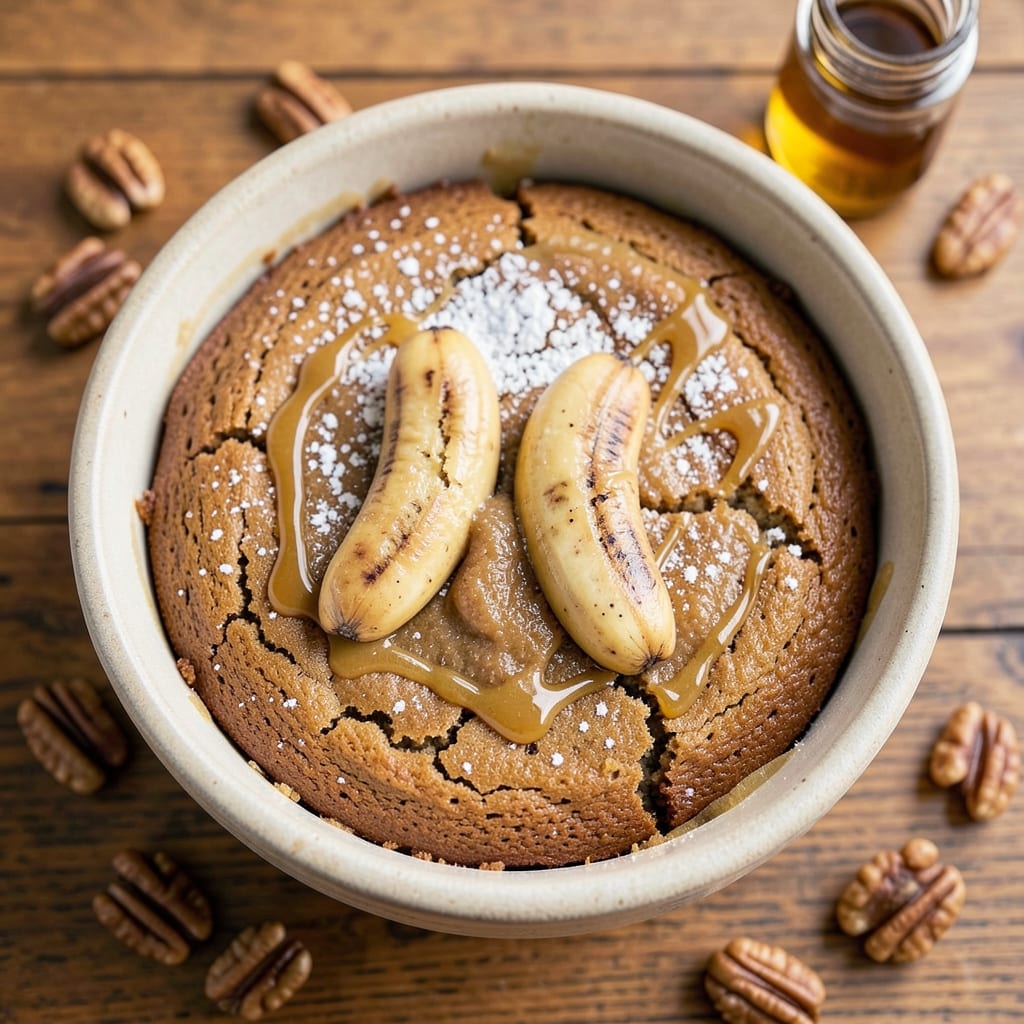
This banana cake recipe no baking soda delivers all the classic moistness without that metallic aftertaste. The secret? A simple vinegar substitution that creates lift while keeping flavors pure. I developed this version after realizing baking soda left a bitter edge in my usual recipe—this method solves that completely while maintaining that signature tender crumb.
The magic happens with a vinegar-leavening technique that activates just like baking soda but without the harshness. You'll use baking powder as the primary leavening agent, then add a splash of vinegar to the wet ingredients—this reaction creates air pockets for that perfect rise. The result is a cake that stays moist for days, with a delicate vanilla sweetness that bananas enhance naturally.
What you get is a golden, domed cake with a fine crumb and just the right balance of banana flavor—no overpowering aftertaste. The texture remains tender even after cooling, and it's perfect for layering with cream cheese frosting or fresh berries. This version also bakes up slightly faster than traditional banana cake, making it ideal for weeknight desserts.
For extra richness, I recommend adding a touch of sour cream to the batter—it keeps the cake ultra-moist while adding subtle depth. The recipe scales perfectly for special occasions too, so you can make a single layer or a triple-tiered masterpiece. Let's get to the ingredients—this cake is worth every step.
Ingredients for banana cake recipe no baking soda
Twelve ingredients transform into a banana cake with perfect moisture and delicate vanilla notes.
| Ingredient | Amount | Notes |
|---|---|---|
| Ripe Bananas 🍌 | 2 whole | Mashed to 1.5 cups puree |
| All-Purpose Flour 🌾 | 2 cups | Sifted, spooned lightly |
| Granulated Sugar 🍚 | 1 ½ cups | Light brown preferred |
| Baking Powder 🧂 | 2 tsp | Double-acting, fresh |
| Salt 🧂 | ½ tsp | Fine sea salt |
| Pure Vanilla Extract 🌿 | 1 tbsp | High-quality, not imitation |
| White Vinegar 💧 | 1 tbsp | Distilled, not apple cider |
| Unsalted Butter 🧈 | ½ cup | Room temperature, cubed |
| Large Eggs 🥚 | 2 whole | Room temperature |
| Sour Cream 🥛 | ½ cup | Full-fat for moisture |
| Milk 🥛 | ½ cup | Whole milk preferred |
| Vegetable Oil 🫒 | ¼ cup | Light, not heavy |
The bananas are the foundation—choose ripe, speckled ones for maximum sweetness and creaminess. Whole Foods or local markets often carry the sweetest varieties, but any grocery store's bananas work if they're soft to the touch. The vinegar substitution is critical: it reacts with baking powder for lift without baking soda's metallic edge. For the butter, Land O'Lakes or Plugrá brands are reliable for consistent room-temperature results. Measure your flour by spooning it lightly into the cup and leveling—packing it creates a dense cake.
No white vinegar? Apple cider vinegar works at the same amount, but the flavor profile shifts slightly. Short on sour cream? Greek yogurt at half the quantity adds tang without the same richness. The vanilla extract should be pure—Nielsen-Massey or McCormick are trusted brands. For a lighter texture, replace 2 tablespoons of flour with 2 tablespoons cornstarch. If you're baking at high altitude, increase the baking powder by 0.25 tsp—this cake's vinegar-leavening system is sensitive to elevation changes.
Store the cake in an airtight container at room temperature for 3 days or refrigerate for 1 week. For longer storage, wrap tightly in plastic and freeze for up to 3 months. The vinegar-leavening system keeps it moist longer than traditional recipes. To reheat, warm slices in the microwave for 10-15 seconds—they'll feel like they just came out of the oven. This cake's texture improves overnight as the flavors meld, making it perfect for baking ahead of time.
Why You'll Love This Recipe
- No Fuss Mixing: I swear by this recipe because it’s basically dump-and-stir—no sifting, no measuring cups out, no stress. Mash those bananas right in the bowl, toss in the dry stuff, and you’re done. Honestly, I’ve made it in my daughter’s play kitchen (okay, not really, but you get it).
- Sweet Without Guilt: That ripe banana magic means you cut the sugar way back, and it still tastes like a dessert you’d pay for. The natural sweetness from the bananas lets the flour and baking powder do the lifting—moist but not heavy, with just enough caramelized edge when it bakes.
- Lunchbox Hero: Between us, this cake is my go-to for packed lunches or after-school snacks. Slice it thin, wrap it in parchment, and it stays fresh for days. (Yes, even on a Tuesday night when you forgot to pack anything.)
- Pantry Staple Win: Flour, sugar, bananas—you’re probably already buying these. No weird ingredients, no last-minute grocery runs. And if you end up with leftovers? Toss them in the freezer and reheat for breakfast. Solid. Reliable. My secret weapon for lazy mornings.
Step-by-step instructions for banana cake without baking soda
This vinegar-leavened method delivers ultra-moist banana cake with tender crumb and perfect rise.
Prepare the Banana Puree and Wet Ingredients
Mash the 2 whole ripe bananas until completely smooth, with no visible chunks remaining. The puree should yield about 1.5 cups—press it through a fine-mesh sieve if needed to remove any fibers. In a separate bowl, whisk together the 1.5 cups granulated sugar, 0.5 cup vegetable oil, and 0.5 cup milk until fully combined and smooth.
Add the 0.5 cup unsalted butter (cut into small cubes) to the wet mixture and warm over low heat for 1 minute until just melted. Remove from heat and let cool slightly—this prevents the butter from cooking the eggs prematurely. The mixture should be warm but not hot to the touch.
Combine Wet Ingredients with Leavening Agents
In the same bowl, whisk in the 2 whole large eggs one at a time, ensuring each is fully incorporated before adding the next. Add the 1 tbsp white vinegar and 1 tbsp pure vanilla extract, mixing until smooth. The vinegar reacts with the baking powder to create lift without the metallic tang of baking soda.
Next, stir in the 0.5 cup sour cream. This adds moisture and tenderness while contributing to the cake's signature fine crumb. The batter should be thick but pourable—if it's too stiff, add 1-2 tablespoons of milk to reach the right consistency. Let the mixture sit for 5 minutes while you prepare the dry ingredients.
Fold in Dry Ingredients Gently
In a separate bowl, sift together the 2 cups all-purpose flour and 2 tsp baking powder. Whisk in the 0.5 tsp salt to distribute evenly. Gently fold the dry ingredients into the wet mixture using a spatula, cutting through the center and lifting from the bottom to avoid deflating the batter.
Stop mixing as soon as all the flour is incorporated—overmixing develops gluten and creates a tough cake. The batter should be thick but smooth, with no visible streaks of flour. If the batter is too thick, fold in an additional tablespoon of milk to ensure proper rise and moisture.
Bake at Moderate Temperature for Even Cooking
Preheat your oven to 350°F and grease a 9-inch round cake pan or line it with parchment paper. Pour the batter into the prepared pan and smooth the top with a spatula. Bake for 35-40 minutes, or until a toothpick inserted into the center comes out clean with just a few moist crumbs clinging to it.
Do not overbake—the cake will continue cooking slightly after removal from the oven. The edges should be golden brown while the center remains slightly springy to the touch. For even cooking, rotate the pan halfway through the baking time if your oven has hot spots.
Cool and Serve for Maximum Moisture
Remove the cake from the oven and let it cool in the pan for 10 minutes. Then transfer it to a wire rack to cool completely. This gradual cooling process helps the cake set properly while retaining its moisture. The cake should be tender and slightly domed in the center, with a fine, even crumb.
Slice while still warm for the most tender texture, but allow it to cool for at least 30 minutes before serving if you prefer a cleaner slice. The vinegar-leavened method ensures a moist, flavorful cake without the bitter aftertaste, making it perfect for breakfast or dessert.
Pro Tips For Making Banana Cake Recipe No Baking Soda
- Mash Bananas Like You Mean It: I learned this the hard way—skipping the food processor and just mashing bananas with a fork leaves lumps that make your cake dense. Use a fork to break them up first, then pulse in a food processor for 10 seconds until completely smooth. No lumps = no tough spots.
- Measure Flour Right or Regret It: That "lightly spoon and level" thing isn’t just fluff—it’s crucial. Packing flour into your measuring cup compresses it, making your cake sink like a rock. Spoon it in, then swipe off the top with a knife. Trust me, your cake’s rise depends on it.
- Check Doneness with a Toothpick Test: The oven light isn’t your friend here. Insert a toothpick into the center—if it comes out clean (or with a few moist crumbs), you’re good. If batter clings, bake 5 more minutes. Overbaking dries out banana cake faster than you can say "leftovers."
- Swap Sugar for Brown Sugar: Sounds weird, but it works: Replace half the granulated sugar with light brown sugar. The molasses adds moisture, keeping your cake tender longer. I was skeptical until I tried it—now I never go back to all white sugar.
Creative variations of this recipe
Spiced Rum Banana Twist
Add 1 tablespoon spiced rum (like Kahlúa or Captain Morgan) to the wet ingredients for a boozy depth that enhances the banana flavor. I like to warm the rum with the milk and butter for 30 seconds to let the alcohol cook off slightly—this prevents a harsh taste while adding caramelized notes. Top with a sprinkle of cinnamon sugar before baking for extra warmth. 🌶️
Chocolate Chip Swirl
Fold in 1 cup chocolate chips (I prefer Ghirardelli or Enjoy Life for vegan options) and swirl them into the batter before baking. For a marbled effect, drop spoonfuls of melted dark chocolate (at least 70% cocoa) on top of the batter before baking. The heat will create beautiful swirls as it rises. This version feels decadent but keeps the cake's signature moisture. 🍫
Lemon Zest Brightness
Zest 1 lemon (about 1 tablespoon) and add it to the dry ingredients for a citrusy lift that cuts through the banana's sweetness. I also add 1 teaspoon lemon juice to the wet mix for extra tang. This variation pairs beautifully with a cream cheese frosting—the acidity balances the richness perfectly. 🍋
Coconut Banana Delight
Replace ½ cup of the flour with ½ cup unsweetened shredded coconut (like Goya or Trader Joe's) for a tropical twist. Add ½ cup toasted coconut flakes to the batter for texture, then top with extra flakes before baking. This version tastes like vacation and stays moist for days when stored properly. 🥥
Walnut & Maple Glaze
Fold in ½ cup chopped walnuts for crunch, then drizzle with a maple glaze after baking. Mix ½ cup powdered sugar with 2 tablespoons maple syrup and 1 teaspoon vanilla, then brush it over the cooled cake. The walnuts add earthiness, while the glaze keeps the cake ultra-moist. 🌰
Vegan Adaptation
Swap the eggs for ½ cup unsweetened applesauce and the butter for ½ cup coconut oil (melted). Use almond milk instead of dairy milk, and add 1 teaspoon ground flaxseed mixed with 2 tablespoons water as a binder. The vinegar-leavening system still works perfectly, and the texture remains tender. 🌱
Nutrition facts
Frequently asked questions
Why does this recipe use vinegar instead of baking soda?
Vinegar reacts with baking powder to create lift, eliminating the metallic aftertaste that baking soda often leaves behind. The acid-base reaction produces carbon dioxide bubbles for a tender crumb while keeping the banana flavor pure. This method is especially useful for those avoiding sodium bicarbonate for dietary reasons.
Can I substitute baking powder for something else if I don't have it?
Yes! Use 1 teaspoon baking soda plus 1 teaspoon cream of tartar as a 1:1 replacement for 2 teaspoons baking powder. However, this will reintroduce some baking soda's flavor, so reduce the vinegar to 0.5 tablespoon to balance the tang. For a completely baking-powder-free version, try 1 teaspoon self-rising flour (which contains baking powder) per 1 cup all-purpose flour.
How do I know when my cake is done baking?
The cake is ready when a toothpick inserted in the center comes out with just a few moist crumbs (not wet batter). The edges should be golden brown while the top springs back slightly when touched. Overbaking dries out the cake—remove it when it's just barely done and let it rest in the pan for 10 minutes before transferring to a rack.
Can I make this cake in a different pan size?
For a 9-inch round pan, bake 35-40 minutes. For an 8-inch pan, reduce to 30-35 minutes (cover loosely with foil if browning too quickly). For a 10-inch pan, increase to 40-45 minutes. Always check with a toothpick—smaller pans bake faster, while larger ones need more time for even cooking.
What if my cake sinks in the middle?
This usually happens from overmixing or opening the oven door too early. To prevent it, fold dry ingredients gently and avoid overbaking. If it happens, invert the cake immediately after baking to cool—this helps set the structure. For extra moisture, brush warm slices with simple syrup (equal parts sugar and water, heated until dissolved).