
Desserts
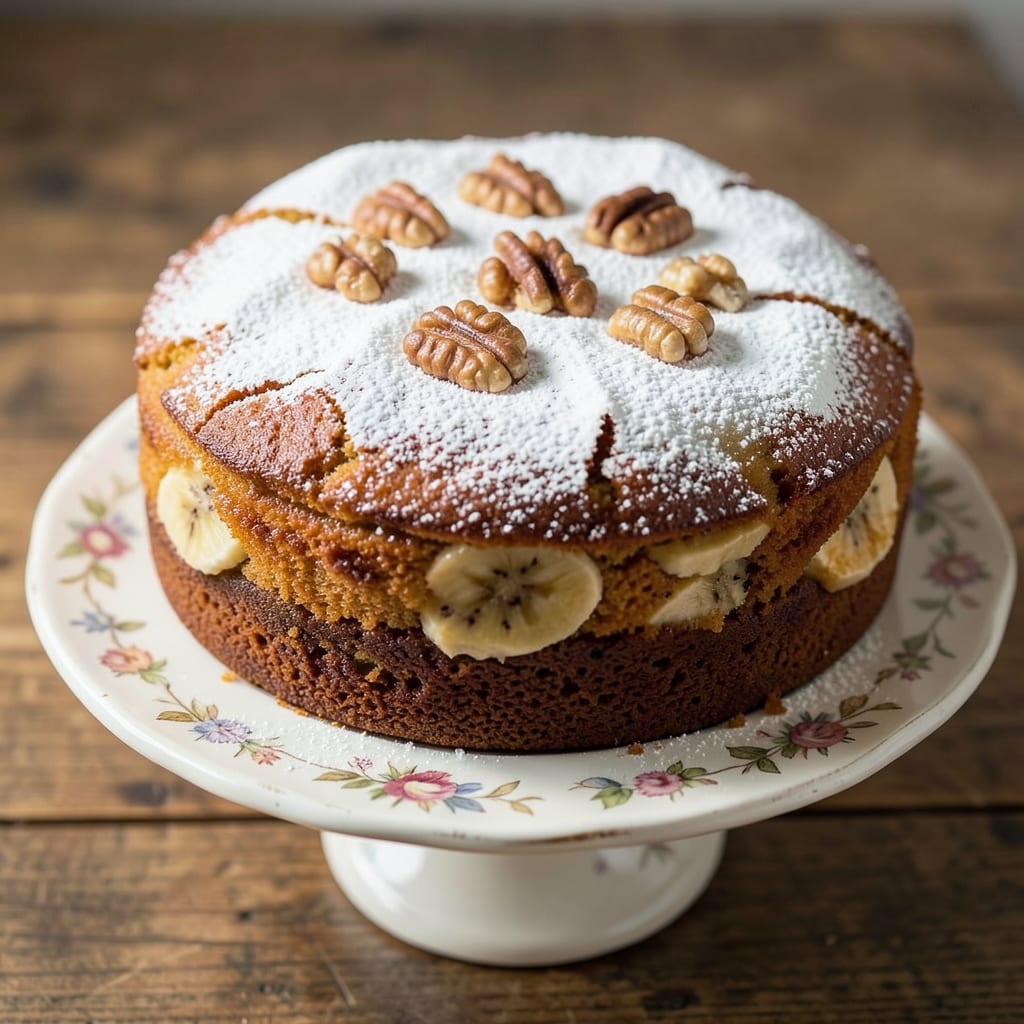
This banana cake recipe with shortening delivers that perfect balance of moist crumb and buttery richness that makes every slice irresistible. 💛 I remember my grandmother's kitchen always smelled like warm banana cake baking, and this recipe captures that nostalgic flavor while using a foolproof technique with shortening for that signature tender texture. The secret lies in ripe bananas and the right shortening-to-flour ratio, which prevents dryness and creates a cake that stays moist for days.
The magic happens when you mix the batter just until combined, ensuring the gluten doesn't develop too much—this keeps the crumb soft and fine. Baking at 350°F for 35-40 minutes gives you a golden top with a tender interior that practically melts in your mouth. Shortening, not butter, is key here; it creates a lighter texture and helps maintain moisture better than oil alone.
What you'll end up with is a cake that's perfectly moist without being dense, with a subtle sweetness from the bananas that pairs beautifully with a buttery cream cheese frosting. The frosting, made with shortening for stability, stays smooth and creamy even in warm kitchens. This isn't just a dessert—it's a comforting classic that feels like home.
Whether you're baking for a family gathering or treating yourself to a weekend indulgence, this recipe delivers every time. The frosting can be adjusted to your taste—add a hint of cinnamon or a splash of vanilla extract for extra depth. Let's get baking!
Ingredients for banana cake recipe with shortening
Eight ingredients for the cake, five for the frosting—simple staples that deliver nostalgic banana cake perfection.
| Ingredient | Amount | Notes |
|---|---|---|
| All-Purpose Flour 🌾 | 2 ½ cups | Sifted for light texture |
| Granulated Sugar 🍚 | 1 ½ cups | White or light brown |
| Shortening 🧈 | 1 cup | Crisco or similar brand |
| Ripe Bananas 🍌 | 3 medium | Mashed, about 1.5 cups |
| Large Eggs 🥚 | 2 whole | Room temperature |
| Baking Soda 🧂 | 1 tsp | Pure, not baking powder |
| Salt 🧂 | ½ tsp | Fine sea salt |
| Vanilla Extract 🍯 | 1 tsp | Pure vanilla preferred |
| Milk 🥛 | ¾ cup | Whole milk preferred |
| Cream Cheese 🧀 | 8 oz | Room temperature |
| Powdered Sugar 🍚 | 3 cups | Sifted for smooth frosting |
| Butter 🧈 | ½ cup | Softened, not melted |
| Cinnamon 🌿 | 1 tsp | Ground for warmth |
The bananas are non-negotiable here—ripe ones with brown spots (not mushy) give that signature sweetness. Costco or Trader Joe's usually have the best selection. For the flour, King Arthur or Bob's Red Mill brands make a difference in texture. The shortening? Crisco is the gold standard—it's what my grandmother used, and it delivers that classic tender crumb. If you're short on time, pre-ripe bananas work too (just let them sit on the counter overnight). The cream cheese for the frosting should be full-fat—none of that low-fat nonsense here. Philadelphia brand is my go-to, but any good-quality block works if you grate it yourself.
No ripe bananas? Frozen bananas thawed and mashed work perfectly—they're often cheaper too. Short on milk? Almond milk or oat milk in a pinch, though you might need an extra splash for moisture. The frosting can be adjusted—add a splash of vanilla extract if you love that flavor, or swap powdered sugar for confectioners' sugar if you prefer a finer texture. Diamond Crystal baking soda is my preference, but any brand works. For the cinnamon, McCormick or Badia are reliable choices—avoid the cheap grocery store brands that taste like dust. The butter in the frosting should be softened to room temperature—not melted, not cold—just pliable when you press it.
The cake keeps well for 4-5 days wrapped in plastic at room temperature, but honestly, it's best within 2 days—the frosting stays creamier that way. Freeze the unfrosted cake for up to 3 months if you're prepping ahead. For the frosting, cover it tightly with plastic wrap pressed directly on the surface to prevent drying. I always make a double batch of frosting—half goes on the cake, half gets saved for toast or pancakes. The bananas? Use them all—none of that 'save the rest' nonsense. If you've got extra flour or sugar, store them in airtight containers for up to 6 months.
Why You'll Love This Recipe
- I’ll be real: this recipe uses what I already have. No specialty ingredients, no last-minute grocery runs. A few eggs, some sugar, and a handful of flour—plus whatever bananas are turning brown in my fruit bowl. It’s my go-to when I’m low on time and low on patience.
- No Mash Needed: Honestly, I just toss those ripe bananas straight into the bowl—no peeling, no mashing, no sticky mess. The fork does all the work while I mix the flour and sugar, and suddenly, you’ve got a cake that’s moist without the fuss of overmixing.
- Shortening Secret: Between us, that shortening keeps this cake tender for days. It’s not heavy like butter—just rich and buttery without the wait for it to soften. The texture? That perfect balance of soft crumb and just enough structure to slice cleanly.
- Breakfast or Dessert: Here’s what sold me—this cake works for any mood. Serve it warm with a drizzle of honey for breakfast, or chill it overnight for a no-fuss dessert. My kids grab it straight from the fridge as a snack, and I don’t even have to bake it twice.
Step-by-step instructions for banana cake with shortening
Here's how to bake a tender, moist banana cake with that signature buttery frosting—every layer perfect.
👨🍳 Step 1: Prepare the Banana Mixture
Mash the 3 medium ripe bananas with a fork until completely smooth—no lumps should remain. I like to press them through a fine-mesh sieve for extra-smooth batter. In a separate bowl, whisk together the 1 cup shortening, 1.5 cups granulated sugar, 2 whole large eggs, 1 teaspoon vanilla extract, and 0.75 cup milk until fully combined and pale.
This step is where the magic begins—the shortening creates that signature tender crumb while the sugar dissolves completely for even sweetness. The bananas should be room temperature for best results, so if they're chilled, let them sit for 10 minutes before mashing.
👨🍳 Step 2: Combine Dry Ingredients and Fold Wet Mixtures
In a large mixing bowl, sift together the 2.5 cups all-purpose flour, 1 teaspoon baking soda, 0.5 teaspoon salt, and 1 teaspoon cinnamon. Create a well in the center and pour in the banana mixture. Using a spatula, gently fold the dry ingredients into the wet until just combined—you should still see flour streaks.
Overmixing develops gluten, which leads to tough cake. I like to scrape the bowl with a rubber spatula to ensure even distribution of the flour. The batter will be thick but pourable—this is perfect for that moist texture we're after.
🔥 Step 3: Bake Until Golden and Springy
Preheat your oven to 350°F and grease two 9-inch round cake pans or line them with parchment paper. Divide the batter evenly between the pans and smooth the tops. Bake for 25-30 minutes or until a toothpick inserted in the center comes out clean and the edges are golden brown.
Here's the thing—shortening cakes benefit from even heat distribution. If your oven runs hot, check at the 20-minute mark. The cake should spring back slightly when pressed in the center, and the edges should pull away from the pan easily.
🍳 Step 4: Make the Cream Cheese Frosting
While the cakes cool, beat the 8 oz cream cheese with the 0.5 cup softened butter until smooth and creamy. Gradually add the 3 cups powdered sugar, mixing on low speed until fully incorporated. The frosting should be thick but spreadable—if it's too stiff, add 1 teaspoon milk at a time until you reach the perfect consistency.
I like to add a pinch of salt and an extra ½ teaspoon vanilla extract at this stage for depth of flavor. The frosting should be cool but not cold when applied—this helps it set properly on the cake.
🥘 Step 5: Layer and Frost for Perfect Texture
Once the cakes have cooled completely, place one layer on a serving plate. Spread a generous layer of frosting on top, then place the second cake layer on the frosting. Frost the top and sides of the cake, using a spatula to create smooth, even sides. For extra flair, pipe a decorative border around the edges.
This cake is best served at room temperature, allowing the flavors to meld fully. The shortening keeps it moist for 3-4 days when stored properly, and the cream cheese frosting adds that perfect balance of richness and sweetness.
Pro Tips For Making Banana Cake Recipe With Shortening
- Cream Shortening Cold: Take that shortening straight from the fridge—no softening needed. I used to melt it by accident and ended up with a cake that was dense and greasy. Cold shortening creates tiny pockets of air when mixed with flour, giving you that classic tender crumb.
- Mash Bananas Rough: Skip the food processor—use a fork and mash those bananas until there are still a few small lumps. Over-blending turns them into banana purée, which makes the cake gummy instead of moist. You want texture, not glue.
- Test Doneness Early: Start checking for doneness at 25 minutes, even if the recipe says 30. Shortening cakes dry out fast, and once that toothpick comes out clean, it’s done. Waiting an extra five minutes turns a perfect cake into a sad, dry brick.
- Sift the Flour Twice: If you’re lazy like me, just toss the flour in—but sifting it removes lumps and aerates it, which matters more than you’d think. I doubled my cake’s rise after starting this habit, and the crumb went from fine to light as air. (Yes, even with shortening.)
Serving suggestions for this recipe
Classic Presentation
Serve this banana cake on a wooden cake stand or ceramic platter to let the golden layers shine. I love adding fresh banana slices on top for a pop of color and a hint of fresh flavor—just arrange them in a circular pattern around the edges. A sprinkle of ground cinnamon or toasted coconut flakes adds texture and warmth. 🍌
Family-Style Slices
For casual gatherings, cut the cake into 12 equal wedges using a serrated knife dipped in warm water between slices. Arrange on a large platter with whipped cream or vanilla ice cream on the side. I often serve it with hot coffee or iced tea—the contrast of warm and cold makes every bite perfect.
Dessert Party Platter
Elevate your presentation by stacking the cake on a tiered cake stand with a white doily underneath for a vintage touch. Add fresh berries like strawberries or raspberries between the tiers for a fruity contrast. A drizzle of chocolate ganache or caramel sauce on the sides adds a luxurious finish. Perfect for birthdays or holiday celebrations! 🎉
Breakfast or Brunch
Slice the cake into thick rectangles and serve with scrambled eggs or pancakes for a sweet-savory brunch combo. Top with a dollop of Greek yogurt or whipped cream for extra richness. I often pair it with turkey sausage or bacon—trust me, it’s a crowd-pleaser! 🥓
Gift-Worthy Packaging
Wrap individual slices in parchment paper and tie with a ribbon for a thoughtful gift. Place them in a gift box with a side of frosting in a small jar for an extra-special touch. Add a handwritten note about how the cake stays moist for days—people will love the convenience and taste! 💛
Make-Ahead Serving
Prep the cake a day ahead and store it in an airtight container at room temperature. Before serving, brush the top with simple syrup (equal parts sugar and water, heated) to refresh the frosting. This works especially well for weekend gatherings or holiday dinners when you want to spend less time in the kitchen. 📅
Nutrition facts
Frequently asked questions
Why does this recipe use shortening instead of butter or oil?
Shortening creates a lighter, more tender crumb that stays moist longer than butter or oil. The fat content coats the flour proteins better, preventing dryness, and it has a higher melting point than butter, so the cake holds its shape while staying soft. This is especially important for banana cakes, which can dry out easily.
Can I substitute shortening with butter in this recipe?
You can try, but the texture will differ. Butter adds flavor but can make the cake denser. If substituting, use 1 cup melted butter cooled slightly, and reduce milk by 2 tablespoons to maintain moisture. For best results, stick with shortening—it's what gives this classic recipe its signature tender crumb!
How do I know when my ripe bananas are perfect for this cake?
Look for bananas with mostly brown spots but still firm flesh when squeezed. The riper, the sweeter—these bananas should mash easily but not be mushy. If yours are too firm, let them sit at room temperature for 24 hours to ripen. Overripe bananas (black and squishy) will make your cake too sweet and dense.
What if my cake turns out dry or crumbly?
Dry cake usually means overbaking or insufficient moisture. Check your oven temperature with an oven thermometer—many run hot. For moisture, try adding 1 extra tablespoon of milk or 2 tablespoons of sour cream to the batter. Brush warm cake layers with simple syrup (equal parts sugar and water) before frosting to revive dryness.
Can I make this cake in a single layer instead of two?
Use a 9x13-inch pan and reduce baking time by 5-10 minutes. The frosting recipe stays the same, but you'll need to spread it evenly over the entire surface. For a rustic look, sprinkle extra cinnamon or crushed nuts on top before baking. Single-layer cakes are perfect for casual gatherings or when you prefer a larger serving!