
Desserts
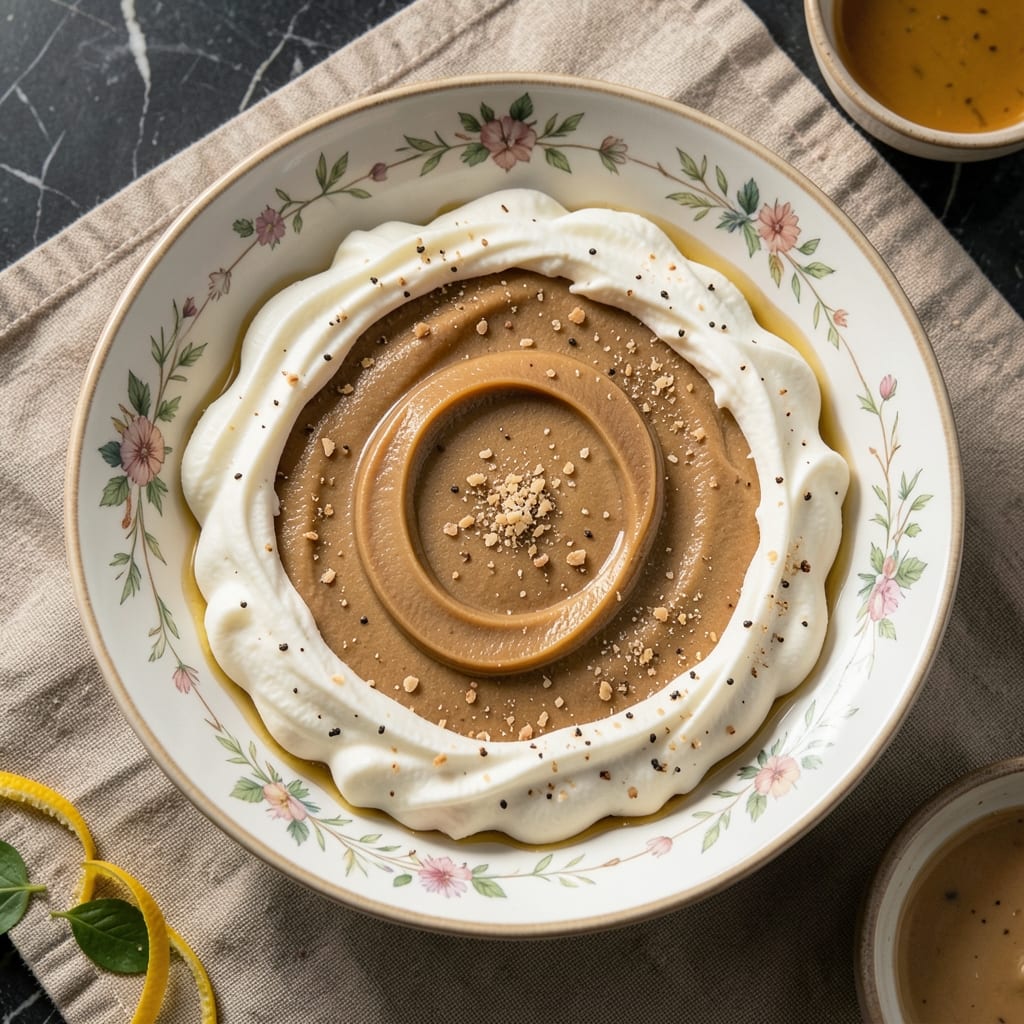
This almond paste cake filling recipe transforms ordinary cake layers into luxurious, nutty-sweet swirls that taste like a Parisian pâtisserie. The secret lies in a perfectly balanced almond paste filling that's neither too sweet nor too dense, creating a tender, moist center with every bite. I've refined this technique over years of baking, ensuring the filling stays creamy and the cake maintains its structure—no soggy layers here.
The magic happens in the layering: a light sponge cake baked to golden perfection, then filled with a velvety almond cream that's spread evenly before chilling. This foolproof method guarantees clean slices with that signature marbled effect, where each bite reveals layers of cake and filling in perfect harmony. The almond flavor shines through without overpowering, thanks to a careful balance of almond paste, butter, and a touch of vanilla.
What you'll end up with is a cake that looks as impressive as it tastes—golden layers with delicate swirls of almond filling peeking through. The texture is what sets this apart: the cake stays tender, the filling remains smooth, and the combination is rich yet not heavy. This is the kind of dessert that makes you feel like a pro, even if you're just starting out.
Perfect for celebrations, special occasions, or when you simply crave something indulgent yet refined. The recipe scales beautifully, so you can make it for a crowd or just enjoy a single slice. Let's get started on creating this showstopping dessert.
Ingredients for almond paste cake filling
Nine ingredients for a filling that tastes like Parisian pâtisserie magic.
| Ingredient | Amount | Notes |
|---|---|---|
| Almond Paste 🥜 | 1 cup | High-quality, finely ground |
| Unsalted Butter 🧈 | ½ cup | Room temperature, full-fat |
| Powdered Sugar 🍚 | 1 cup | Sifted for smooth texture |
| Large Eggs 🥚 | 2 whole | Room temperature, separated |
| Pure Vanilla Extract 🌿 | 1 tsp | High-quality, no alcohol |
| Ground Almonds 🥜 | ½ cup | Finely ground, for texture |
| All-Purpose Flour 🌾 | 1 tbsp | For binding, if needed |
| Pinch of Salt 🧂 | ⅛ tsp | Fine sea salt preferred |
| Light Sponge Cake Layers 🍰 | 2 whole | 8-inch, baked and cooled |
| Powdered Sugar 🍚 | ¼ cup | For dusting layers |
The almond paste is non-negotiable here—grab the finest quality you can find (like Lorraine or Marzipan from specialty stores). Room-temperature butter is key for smooth blending; I always leave mine out for 30 minutes before starting. For the eggs, separate the yolks and whites—you'll only use the yolks in the filling, saving the whites for meringue or another project. The vanilla extract should be pure, not imitation—look for brands like Nielsen-Massey or McCormick in the baking aisle. If you're worried about the filling being too sweet, reduce the powdered sugar slightly—it's easy to adjust as you go.
No almond paste? Blend 1 cup almond flour with 1/4 cup powdered sugar for a DIY version, though it won't be as refined. Short on butter? Coconut oil works in a pinch, but the flavor will differ slightly. The sponge cake layers can be store-bought if you're short on time—look for light, moist varieties (like Betty Crocker or Duncan Hines), but avoid dense pound cakes. For extra richness, add 1 tbsp apricot jam to the filling—it adds moisture and depth. And if you're feeling fancy, infuse the butter with a splash of almond extract while melting it for an intensified flavor.
This filling keeps beautifully in the fridge for 3-4 days if stored in an airtight container between layers of parchment. For longer storage, freeze the assembled cake for up to 2 months—thaw at room temperature before serving. The cake tastes even better the next day as the flavors meld. To keep slices clean, chill the cake for at least 2 hours before cutting. And trust me, everyone will ask for seconds—this is the kind of dessert that disappears fast.
Why You'll Love This Recipe
- Four-Ingredient Magic: I swear by this combo—just almond paste, butter, eggs, and vanilla. No measuring cups to eyeball, no weird substitutions. The almond paste does all the heavy lifting, and the eggs bind it like a dream.
- Velvet Smoothness: That creamy texture? It’s next-level—like biting into a cloud that tastes like a fancy French patisserie. The vanilla cuts through the richness, and the powdered sugar keeps it light without being cloying. Honestly, it’s the kind of filling that makes me forget I’m not a professional.
- Crowd-Pleaser Filling: This isn’t just for cakes—stuff it in croissants, swirl it into cheesecake, or pipe it into cupcakes. I’ve even used it as a glaze for fruit tarts. It’s the ultimate neutral base that elevates whatever you’re making, and everyone raves about it.
- Makes Leftovers Worth It: The best part? It keeps for days in the fridge, and you won’t even notice the difference. I’ve made a double batch before and used it for breakfast pastries one morning and dessert the next. No waste, no fuss—just pure, delicious versatility.
Step-by-step instructions for almond paste cake filling
This nutty-sweet filling transforms simple sponge cake into a luxurious dessert masterpiece.
Cream Butter and Almond Paste Together
In a medium mixing bowl, combine the 1 cup almond paste and 0.5 cup unsalted butter at room temperature. Using an electric mixer on medium speed, beat until completely smooth and creamy—this should take about 2-3 minutes. The mixture should look like a thick, pale paste with no visible lumps.
I like to scrape down the sides of the bowl every 30 seconds to ensure even mixing. This step is crucial because almond paste can be dense, and proper creaming ensures it incorporates smoothly into the filling. If you notice any resistance, let the mixture sit for 1 minute before continuing—this helps the butter soften further.
Gradually Add Powdered Sugar and Eggs
With the mixer running on low speed, gradually add the 1 cup powdered sugar to prevent clouding. Mix until fully incorporated, then add the 2 whole large eggs, one at a time, mixing well after each addition. Scrape the bowl again to ensure no egg sits at the bottom.
After adding the eggs, increase the mixer speed to medium and beat for another 1-2 minutes until the mixture is light and fluffy. This aeration step is what gives the filling its signature texture. If the mixture looks too thick, you can add 1 tablespoon all-purpose flour to help bind it, but only if needed—this filling should be thick but still pipeable.
Incorporate Vanilla, Almonds, and Salt
Remove the mixing bowl from the mixer and stir in the 1 teaspoon pure vanilla extract, 0.5 cup ground almonds, and 0.125 teaspoon pinch of salt using a silicone spatula. Fold gently to maintain any air incorporated during mixing. The ground almonds will add texture, while the vanilla and salt balance the sweetness.
Taste the mixture at this point—it should be sweet but not cloying, with a pronounced almond flavor. If you want to adjust the sweetness, you can add a bit more powdered sugar, but be careful not to overdo it. The filling should be cohesive enough to hold its shape when piped but still spreadable between cake layers.
Assemble and Fill the Cake Layers
Place one of the 2 whole light sponge cake layers on a serving plate or cake stand. Using a piping bag fitted with a star tip or a large spoon, spread half of the almond paste filling evenly over the cake layer, leaving a ½-inch border around the edges. This border prevents the filling from oozing out during slicing.
Top with the second cake layer and gently press down to help the filling adhere. For extra security, you can place the assembled cake in the refrigerator for 15-20 minutes to set slightly before slicing. This chilling step ensures clean cuts and prevents the filling from leaking out when you serve it.
Dust with Powdered Sugar for Final Touch
Once the cake is assembled, dust the top and sides generously with the 0.25 cup powdered sugar using a fine-mesh sieve. This not only adds a beautiful finish but also helps absorb any excess moisture from the filling, keeping the cake layers tender.
The powdered sugar also creates that classic French pâtisserie look. Serve the cake at room temperature for the best texture—this allows the filling to soften slightly while keeping the sponge cake layers light and airy. Slice with a sharp, hot knife for clean cuts and enjoy the perfect balance of nutty richness and delicate sweetness.
Pro Tips For Making Almond Paste Cake Filling
- Cream Butter First: Whip the unsalted butter and powdered sugar together until it’s pale and fluffy—about 3-4 minutes with a mixer. I learned this the hard way: skipping this step leaves your filling grainy, no matter how much you fold later. (Yes, even if you’re impatient like me.)
- Sift the Almond Paste: Pulse your almond paste in a food processor or sift it through a fine-mesh sieve before mixing. It’s not about texture—it’s about removing those stubborn little almond bits that turn your filling into a chewy surprise. Trust me, your first bite will tell the story.
- Room-Temp Eggs Only: Use eggs straight from the fridge, and you’re asking for trouble—lumpy filling guaranteed. Let them sit in warm water for 10 minutes first. Cold eggs won’t emulsify properly, and no amount of folding will fix it. (Your future self will thank you.)
- Vanilla Last, Then Fold: Add the vanilla extract after everything else is mixed, then do a quick, gentle fold with a spatula—just until combined. Dumping it in early can make the filling separate when baked. Sounds weird, but it works: your layers stay smooth and cohesive.
Make-ahead tips for this almond paste cake filling
Filling Prep Ahead
Make the almond paste filling up to 2 days in advance and store it in an airtight container between layers of parchment paper in the fridge. The flavors deepen as it rests, and the texture becomes even smoother. I always prep the filling the night before—it saves time on baking day and guarantees a perfect consistency when you're ready to assemble. 💫
Cake Layer Prep
Bake your sponge cake layers a day ahead and store them wrapped tightly in plastic wrap at room temperature. This prevents them from drying out while allowing the filling to be made separately. If you're short on time, use store-bought layers—just make sure they're light and moist, not dense. I like to dust them with a thin layer of powdered sugar before assembling to keep them tender.
Assemble the Night Before
Put together the entire cake (including filling and top layer) the evening before serving. Wrap it tightly in plastic wrap and refrigerate overnight. This gives the filling time to set slightly, making it easier to slice cleanly the next day. The cake will taste even more flavorful after resting, as the almond notes meld beautifully with the sponge layers. Trust me, this step makes all the difference! ✨
Freezing for Later
For longer storage, assemble the cake completely (including powdered sugar dusting) and freeze it for up to 2 months. Wrap it tightly in plastic wrap followed by aluminum foil to prevent freezer burn. Thaw it in the fridge overnight before serving. The texture remains perfect—just as moist and tender as when it was first baked. This is my go-to method for holiday prep! ❄️
Portioning for Parties
If you're serving a crowd, assemble the cake in a large sheet pan rather than on a cake stand. This makes it easier to slice and serve individual portions. Cover it with plastic wrap and refrigerate until ready to serve. For a restaurant-worthy presentation, transfer the chilled cake to a serving platter just before slicing. The filling will hold its shape beautifully, and guests will be impressed by the clean cuts. 🥂
Reheating Leftover Slices
Leftover slices can be reheated gently in the microwave for 10-15 seconds to restore the filling's creaminess. For a more elegant touch, warm them in a 200°F oven for 5-7 minutes—this keeps the cake layers light while melting the filling slightly. I always save a few slices to enjoy warm the next day, as the contrast in temperatures makes the flavors even more complex. 🔥
Nutrition facts
Frequently asked questions
Can I make this almond paste filling without eggs?
Yes! For an egg-free version, replace the 2 eggs with 2 tablespoons aquafaba (chilled chickpea brine) or 1/4 cup unsweetened applesauce. Whisk the aquafaba until stiff peaks form before folding it in, or simply mix the applesauce into the butter-almond paste mixture. The texture will be slightly denser but still delicious. For extra binding, add 1 extra tablespoon all-purpose flour.
How do I prevent the filling from leaking out when slicing?
Leave a ½-inch border of cake exposed around the edges when spreading the filling, and chill the assembled cake for 2-3 hours before slicing. Use a hot, sharp knife (dipped in hot water and wiped dry) for clean cuts. For extra insurance, brush the cake edges with a thin layer of apricot jam before adding the top layer—it acts as a natural sealant.
What's the difference between almond paste and marzipan?
Almond paste is made from 50% almonds and 50% sugar, creating a dense, firm texture perfect for fillings. Marzipan is 75% almonds and 25% sugar, with a lighter, more delicate consistency ideal for decorations. For this recipe, almond paste works best—it's less sweet and holds its shape better between cake layers. You can use marzipan, but it may be too soft for clean slicing.
Can I use this filling in other desserts besides cake?
This almond paste mixture works beautifully in tarts, crepe rolls, or as a stuffing for pastries. For tarts, spread it in a crust and bake at 350°F for 15-20 minutes until set. For crepes, pipe the filling between layers and roll tightly. The texture holds up well to baking, though it may firm up slightly—just serve slightly warm to restore creaminess.
Why does my almond paste filling taste bitter?
Bitter flavor usually comes from overcooked almond paste or old eggs. Always use fresh, high-quality almond paste (check the expiration date—it should be recent). If the paste has a grayish tint or smells off, discard it. For extra sweetness balance, add ½ teaspoon almond extract to the filling or reduce the powdered sugar slightly. The filling should taste rich but not bitter—like a cross between almond cake and vanilla cream.