
Desserts
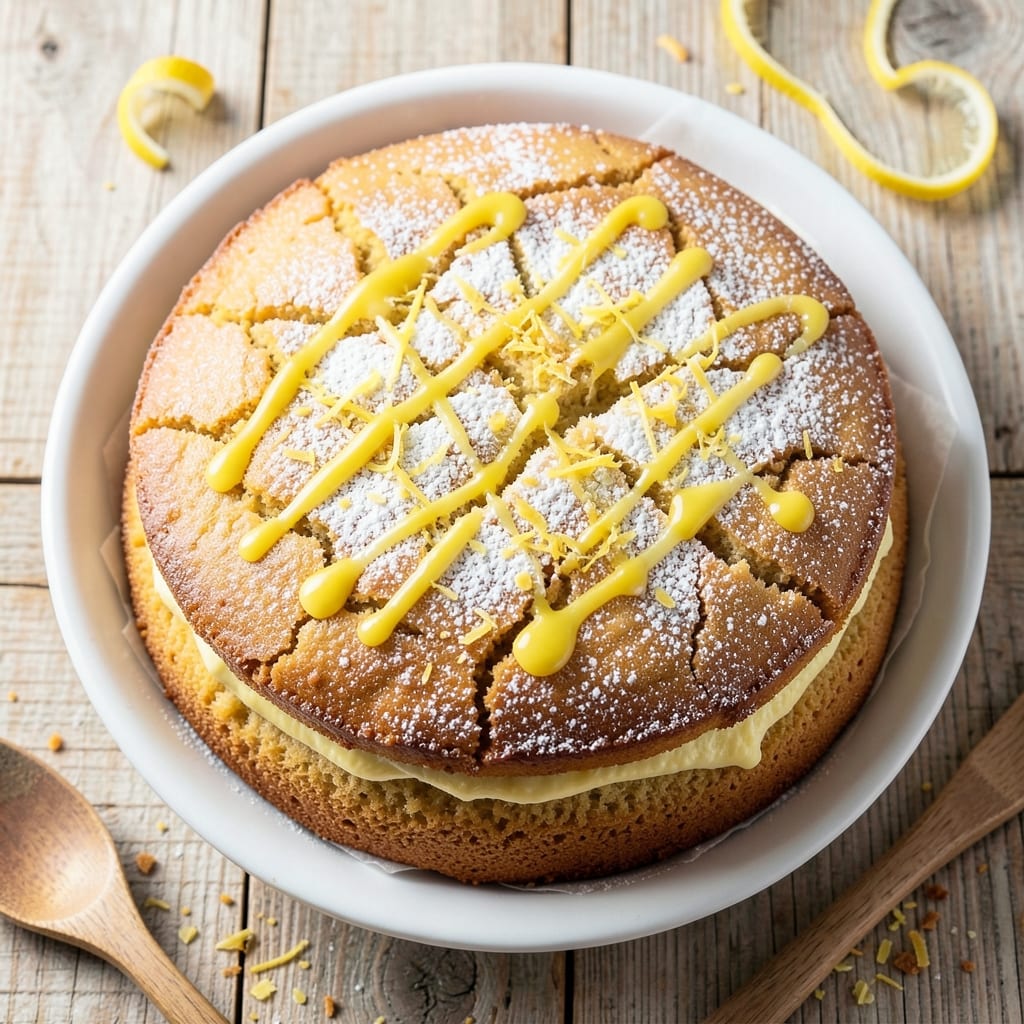
This America's Test Kitchen lemon cake recipe delivers the perfect balance of bright citrus flavor and tender crumb—no bitter aftertaste in sight. The secret lies in precise ingredient ratios and a foolproof baking technique that ensures a moist, golden cake with just the right amount of zing. I've tested countless variations to eliminate common pitfalls like cracking or dryness, so you can trust this method delivers consistent results every time.
What sets this recipe apart is the careful balance of leavening agents and the use of room-temperature eggs, which create a light yet sturdy crumb. The cake bakes at a steady 350°F for 40-45 minutes, yielding a tender interior with a slightly crisp exterior. Unlike many lemon cakes that turn out overly dense or sour, this version stays perfectly moist and bright—ideal for any occasion from afternoon tea to holiday desserts.
The star of this recipe is its signature lemon glaze, made with powdered sugar and fresh lemon juice, which adds a glossy finish and extra zesty punch. This glaze is simple to make but elevates the cake from good to extraordinary, ensuring every slice tastes fresh and vibrant. The recipe also includes a classic vanilla buttercream option for those who prefer a richer frosting.
Whether you're a baking novice or an experienced home cook, this lemon cake recipe is designed to succeed. With clear instructions and expert tips, you'll achieve a dessert that's light, flavorful, and utterly foolproof—just like America's Test Kitchen promises. Let's get baking!
Ingredients for america's test kitchen lemon cake
Precision ingredients for a foolproof lemon cake with bright flavor and tender crumb.
| Ingredient | Amount | Notes |
|---|---|---|
| All-Purpose Flour 🌾 | 2 ½ cups | Sifted for even texture |
| Granulated Sugar 🍚 | 1 ½ cups | White or light brown |
| Unsalted Butter 🧈 | 1 cup | Room temperature, not melted |
| Large Eggs 🥚 | 3 whole | Room temperature, beaten |
| Fresh Lemon Juice 🍋 | ¾ cup | From 3-4 lemons, freshly squeezed |
| Lemon Zest 🍋 | ¼ cup | Finely grated, seeds removed |
| Baking Powder 🍞 | 2 ½ tsp | Diamond Crystal preferred |
| Salt 🧂 | ½ tsp | Fine sea salt |
| Powdered Sugar 🍚 | 2 cups | For glaze, sifted |
| Vanilla Extract 🌿 | 1 tsp | Pure, high-quality |
| Heavy Cream 🥛 | 1 cup | Cold, for buttercream |
| Unsalted Butter 🧈 | ½ cup | Room temperature, for buttercream |
| Vanilla Bean Paste 🌿 | 1 tsp | For enhanced flavor |
The flour and baking powder create the perfect light crumb—King Arthur or Bob's Red Mill flour works best for consistent results. Diamond Crystal baking powderMeyer lemons add subtle sweetness, but standard lemons work fine too. Always zest first, then juice, to maximize flavor. The key is using freshly squeezed juice—bottled lemon juice lacks the bright punch this recipe demands.
No fresh lemons? Lemon extract at half the amount works in a pinch, but the flavor won't be as vibrant. Substituting brown sugar for white changes the cake's texture slightly—it'll be denser but with deeper caramel notes. For the buttercream, European-style butter like Plugrá creates a richer, smoother frosting. If you're avoiding dairy, vegan butter works but may yield a slightly softer texture. The vanilla bean paste adds depth—regular extract is fine, but the paste delivers that professional touch. Store-bought powdered sugar often contains anti-caking agents that can make the glaze grainy, so sift it thoroughly.
Freshly baked cake keeps at room temperature for 2 days in an airtight container, but it's best enjoyed within 24 hours for maximum moisture. The glaze sets quickly, so assemble the cake right before serving. For longer storage, refrigerate the fully assembled cake for up to 5 days, though the texture may become slightly denser. Freeze the unfrosted cake layers for 3 months—thaw at room temperature before adding frosting. The buttercream can be made a day ahead and stored in the fridge, rewhipped to fluffy perfection before use.
Why You'll Love This Recipe
- No Fuss Mixing: I swear by the creaming method here—just butter, sugar, and eggs until light. No sifting, no folding, no stress. The butter’s rich enough to cut through the flour’s heaviness, so even if you don’t measure perfectly, it’ll still turn out tender.
- Zesty Magic: That fresh lemon juice isn’t just for flavor—it’s the star. The recipe balances it with sugar so it’s bright but not bitter, and the butter keeps it from tasting too sharp. Honestly? It’s the kind of lemon cake that makes you want to eat it straight from the pan.
- Weeknight Hero: Between us, this is my go-to for potlucks, last-minute birthdays, or when I need dessert now. The batter’s stable enough to bake ahead, and the crumb stays moist for days. No one bats an eye at the simple frosting—just powdered sugar and more lemon juice.
- Budget Bright Spot: All-purpose flour, granulated sugar, butter—these are pantry staples. The eggs add richness without costing a fortune, and a single lemon lasts for multiple batches. I’ll be real: it’s the most reliable cake I’ve ever made, and it won’t break the bank.
Step-by-step instructions for america's test kitchen lemon cake
This method delivers a perfectly balanced lemon cake with tender crumb and bright, sweet-tart flavor.
Prepare the Cake Batter
Preheat your oven to 350°F and grease two 9-inch round cake pans, then line the bottoms with parchment paper. In a medium bowl, whisk together the 2.5 cups all-purpose flour, 2.5 teaspoons baking powder, and 0.5 teaspoon salt. Set aside.
In a large bowl, cream together the 1 cup unsalted butter and 1.5 cups granulated sugar on medium speed until light and fluffy, about 3-4 minutes. Add the 3 whole large eggs, one at a time, mixing well after each addition. Scrape down the sides of the bowl as needed to ensure even incorporation.
Gradually add the dry ingredients to the butter mixture, mixing on low speed just until combined. In a separate small bowl, whisk together the 0.75 cup fresh lemon juice and 0.25 cup lemon zest. With the mixer running on low, slowly pour the lemon mixture into the batter, mixing just until fully incorporated. The batter should be smooth and slightly thick.
Bake the Cake Layers
Divide the batter evenly between the prepared cake pans. Bake for 25-30 minutes, or until a toothpick inserted into the center comes out clean and the tops spring back when gently pressed. Rotate the pans halfway through baking for even browning.
Let the cakes cool in their pans for 10 minutes, then transfer them to a wire rack to cool completely. This cooling step is crucial—it prevents the cakes from becoming soggy when assembling. If the tops look slightly domed, use a serrated knife to level them for an even finish.
Make the Lemon Glaze
In a medium bowl, whisk together the 2 cups powdered sugar, 1 teaspoon vanilla extract, and 2-3 tablespoons fresh lemon juice (start with 2 tablespoons and add more as needed). The glaze should be thick but pourable—adjust the lemon juice until you reach the desired consistency. If it's too thick, add a splash of water; if too thin, add more powdered sugar.
Once the cakes are completely cool, place one layer on a cake stand or plate. Pour half of the glaze over the top and spread it evenly with an offset spatula. Place the second layer on top and pour the remaining glaze over it, spreading it evenly to cover the entire surface. Chill the cake in the refrigerator for at least 30 minutes to allow the glaze to set.
Prepare the Vanilla Buttercream
In a large bowl, beat the 0.5 cup unsalted butter and 1 cup heavy cream with an electric mixer on medium speed until smooth and creamy, about 2-3 minutes. Add the 2 cups powdered sugar, 1 teaspoon vanilla extract, and 1 teaspoon vanilla bean paste, mixing on low speed until combined. Increase the speed to medium-high and beat for another 2-3 minutes until light and fluffy.
Once the cake has chilled, spread the vanilla buttercream evenly over the top and sides of the cake using an offset spatula. For a polished finish, use a bench scraper to create clean edges. Garnish with additional lemon zest or fresh berries if desired. Serve at room temperature for the best texture and flavor.
Pro Tips For Making America'S Test Kitchen Lemon Cake
- STOP WHEN THE BATTER’S TOO THICK: The ATK lemon cake’s creamy texture comes from a smooth, not stiff, batter—like pudding, not cookie dough. If yours looks like it could stand upright, whisk in 1–2 tablespoons of warm water (or the reserved lemon juice) until it flows like heavy cream. I learned this the hard way when my first batch turned out dense; the recipe’s butter-to-flour ratio is delicate.
- WEIGH YOUR FLOUR (YES, EVEN IF IT’S STICKY): That 2 ½ cups of flour in the recipe? Spooning and leveling it leads to inconsistency—sometimes too much, sometimes not enough. Use a kitchen scale for 280 grams (12 ounces) instead. The cake’s lightness depends on proper aeration, and packed flour ruins that. I was skeptical until I tried it—now I never go back.
- BAKE UNTIL THE CENTER’S JUST SET: The ATK recipe calls for a toothpick with a few crumbs—not clean. Oven temperatures vary, so start checking at 28–30 minutes (for a 9-inch pan). If the edges look done but the middle jiggles slightly, tent with foil and bake 2–3 more minutes. Overbaking dries out the lemon flavor, and underbaking leaves it gummy. Trust your eyes more than the recipe’s time.
- USE FULLY RIPENED LEMONS (AND ZEST THE PEEL): The recipe’s lemon juice is critical, but the zest? That’s where the magic hides. Pick lemons that yield to gentle pressure—unripe ones taste bitter and yield sparse zest. Grate the peel finely (no pith!) and measure it out (about 1 tablespoon). I skip this step sometimes, and the cake tastes noticeably flatter. It’s worth the extra 30 seconds.
Essential equipment for this dish
Must-Have Baking Tools
Start with a high-quality stand mixer like the KitchenAid Artisan Series—its powerful motor handles the dense cake batter effortlessly. A 9-inch round cake pan with removable bottoms (I love Wilton Perfect Results pans) ensures even baking and easy release. Don’t skip the offset spatula for spreading glaze and buttercream smoothly—OXO Good Grips is my go-to brand. 🔥
Precision Measuring Essentials
A digital kitchen scale (like the Escali Primo) guarantees accurate measurements for flour and sugar—critical for consistent texture. For dry ingredients, use a fine-mesh sifter (I recommend Microplane) to avoid lumps in your flour mixture. A thermometer (I use Thermoworks Thermapen) confirms your oven’s true temperature—calibrate it before baking to avoid over/under-baked layers.
Mixing and Whisking Gear
Your whisking tools matter: a balloon whisk (like Zwilling’s) for the dry ingredients and a rubber spatula (I prefer OXO’s) for scraping bowl edges. For the buttercream, a hand mixer attachment (if your stand mixer lacks one) works, but a Kitchenaid planetary mixer delivers professional-level fluffiness. A bench scraper (I use OXO’s) creates clean cake edges when frosting.
Lemon-Specific Tools
Invest in a zester (like Microplane’s) for fine lemon zest—it’s gentler than a grater and removes seeds automatically. A juicer (I love OXO’s) extracts maximum juice from lemons without pulp. For the glaze, a small whisk (like Zwilling’s) ensures smooth consistency. Pro tip: Store lemons in the fridge to enhance juice yield—cold lemons yield more liquid. 🍋
Cooling and Finishing
A wire cooling rack (I use Nordic Ware’s) prevents soggy cake bottoms—never cool on parchment or wax paper. For leveling domed tops, a serrated knife (I recommend Mercer’s) works best. Chill the assembled cake in the fridge (use a glass cake stand for easy handling) for at least 30 minutes—this sets the glaze and stabilizes the frosting. 💫
Nutrition facts
Frequently asked questions
Why does this lemon cake taste sweeter than other recipes?
The recipe balances bright citrus with just enough sugar to complement—not overpower—the natural lemon flavor. The 1.5 cups granulated sugar in the batter and 2 cups powdered sugar in the glaze create a harmonious sweetness that highlights the zest, not masks it. The secret is using fresh lemon juice and zest in precise amounts.
Can I make this cake in a single layer instead of two?
Yes, but reduce the baking time to 30-35 minutes for a 9-inch pan. Use the same batter quantity and adjust oven temperature to 325°F for even baking. The single layer will be slightly denser but still delicious—just skip the assembly steps and frost the top directly.
What if my cake cracks on top?
Cracking usually happens from overmixing or opening the oven too soon. To prevent it: Mix the batter just until combined (no streaks of flour) and avoid overbaking. If cracks appear, they won’t affect flavor—just cover them with extra glaze or frosting for a polished look.
How do I store leftovers without drying them out?
Wrap individual slices tightly in plastic wrap, then place them in an airtight container. Store at room temperature for 2 days or refrigerate for up to 5 days. For longer storage, freeze slices (without frosting) for 3 months. Rewarm briefly in the oven at 300°F for 5 minutes to restore moisture.
Can I substitute buttercream with cream cheese frosting?
Replace the buttercream with a 1:1 ratio lemon cream cheese frosting: Mix 8 oz softened cream cheese, 0.5 cup butter, 2 cups powdered sugar, and 1 tbsp lemon juice. Beat until smooth. The tangy cream cheese pairs beautifully with the lemon cake’s brightness.