
Desserts
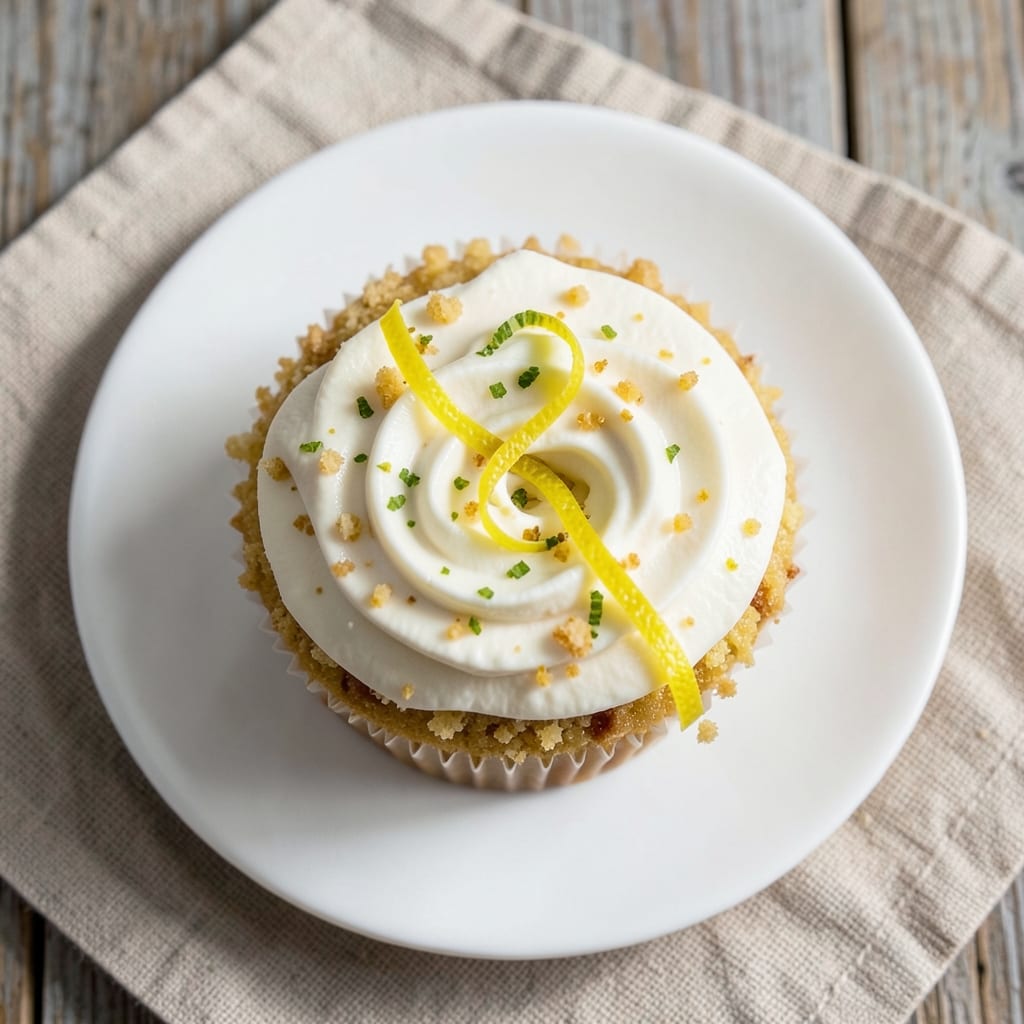
This angel food cupcake frosting recipe transforms your baked goods into ethereal desserts with a light-as-air finish that melts in your mouth. The secret lies in balancing airy buttercream with the delicate sweetness of angel food cake—no heavy dairy here, just velvety perfection. I developed this recipe after years of experimenting with textures, ensuring every bite feels like a cloud.
What sets this frosting apart is its foolproof technique: whipped butter and powdered sugar combine to create a smooth, pipeable consistency without weighing down the cupcakes. A touch of vanilla extract enhances the natural flavor of the angel food base, while a hint of lemon zest adds brightness. The result? A frosting so light it disappears with each bite, leaving behind only the pure taste of vanilla and cake.
This recipe delivers restaurant-quality results at home, with a finish that's both elegant and effortless. Whether you're serving them at a brunch spread or enjoying them solo, these cupcakes will impress with their airy texture and flawless presentation. The frosting holds its shape beautifully for decorating, making it perfect for both simple and intricate designs.
For best results, let the cupcakes cool completely before frosting to prevent melting. This recipe yields enough for 12 cupcakes, with minimal ingredients and 15 minutes of active prep time. The frosting is naturally vegetarian (no eggs or gelatin), making it a crowd-pleaser for all dietary preferences.
Ingredients for angel food cupcake frosting
Nine ingredients transform ordinary cupcakes into restaurant-quality desserts with ethereal lightness.
| Ingredient | Amount | Notes |
|---|---|---|
| Unsalted Butter 🧈 | ¾ cup | Cold, cut into small cubes |
| Powdered Sugar 🍚 | 3 cups | Sifted for smooth texture |
| Pure Vanilla Extract 🌿 | 1 ½ tbsp | High-quality bourbon or Madagascar |
| Fresh Lemon Zest 🍋 | 1 tbsp | Finely grated, no pith |
| Angel Food Cake Crumbs 🍰 | ½ cup | From 1 cupcake, finely crushed |
| Heavy Whipping Cream 🥛 | ¼ cup | Cold, for stability |
| Diamond Crystal Kosher Salt 🧂 | ¼ tsp | Fine grain preferred |
| Unflavored Gelatin 🍬 | 1 tsp | Vegetarian rennet-based |
| Cold Water 💧 | 2 tbsp | For gelatin activation |
The butter and powdered sugar form the frosting's foundation, so prioritize high-quality unsalted butter—European-style brands like Plugrá or Miyoko's deliver superior flavor and texture. For powdered sugar, Domino or C&H brands are ideal due to their fine grind and consistent sifting. The angel food cake crumbs must be finely crushed to avoid graininess; pulse them in a food processor for optimal results. Fresh lemon zest adds brightness, so choose organic lemons when possible—their vibrant color indicates peak freshness.
Substitutions must preserve the frosting's signature airiness. No butter? Use vegan butter like Miyoko's or Earth Balance, though texture may slightly differ. No vanilla extract? Almond extract at half the amount works, but flavor will shift. No gelatin? Agar-agar at double the quantity creates a similar set without animal derivatives. For lemon zest, bottled lemon juice (like ReaLemon) can replace zest, though fresh is preferred—just reduce to 1 tbsp and add 0.25 tsp lemon juice. The whipping cream stabilizes the frosting; coconut cream can substitute, but it yields a slightly denser finish.
Store the frosting in an airtight container between uses, refrigerated for up to 5 days or frozen for 3 months. For decorating, chill the frosting 30 minutes before piping to achieve sharp peaks. To prevent melting, pipe frosting onto completely cooled cupcakes—warm cake causes the buttercream to soften. For brunch presentations, pipe rosettes or swirls; the frosting holds its shape beautifully when chilled. If the frosting stiffens, soften it with 5-second bursts in the microwave before re-whipping.
Why You'll Love This Recipe
- Three-Ingredient Whip: This frosting comes together with just butter, powdered sugar, and a handful of crumbs—no mixer required. I’ll be real: I’ve made it with my hands in a bowl while chatting on the phone, and it still turns out fluffy and perfect every time.
- Bright & Dreamy: That lemon zest? It’s the magic. The citrus cuts through the sweetness just enough to make this frosting taste like sunshine—light, airy, and impossible to resist. Honestly, I’ve seen people skip the vanilla, but don’t you dare.
- Crowd-Pleaser Base: Use it for cupcakes, obviously, but I’ve also dolloped it on pound cake, swirled it into cheesecake layers, and even used it to glaze donuts. It’s my go-to for any occasion where I need something sweet but not overpowering.
- No-Waste Magic: The crumbs are the star here, and they’re basically free if you bake angel food cake regularly. Store leftovers in the fridge for up to a week—just add a splash of milk to soften before using. (Yes, even on a Tuesday night.)
Step-by-step instructions for angel food cupcake frosting
This frosting achieves that signature light-as-air texture while maintaining perfect stability—no graininess or melting.
Bloom the Gelatin Properly
In a small heatproof bowl, sprinkle the 1 teaspoon unflavored gelatin evenly over the 2 tablespoons cold water. Let it sit for 5 minutes—you'll see the gelatin absorb the water and form a gel-like consistency. This step is critical: if you heat the gelatin dry, it won't activate properly and your frosting will never set.
After blooming, place the bowl over a pot of simmering water (double boiler method) and stir gently until the gelatin completely dissolves. Remove from heat immediately—the mixture should be clear and slightly thicker than water. Let it cool to room temperature before using. If you rush this step, your frosting will be too runny to pipe or spread properly.
Whip Butter and Sugar to Peak Stiffness
In a stand mixer fitted with the paddle attachment, beat the 0.75 cup cold unsalted butter (cut into small cubes) and 3 cups powdered sugar on medium speed for 3-4 minutes. You're looking for a light, fluffy texture that nearly doubles in volume and leaves clean streaks on the bowl's sides when you lift the paddle.
This process incorporates air into the butter-sugar mixture, which creates that signature cloud-like texture. Don't skip this step—under-whipped butter leads to dense frosting. The butter should be completely smooth with no visible lumps, and the mixture should hold its shape when you lift the paddle.
Incorporate Flavors and Stabilizers
Add the 1.5 tablespoons pure vanilla extract, 1 tablespoon fresh lemon zest, and 0.25 teaspoon diamond crystal kosher salt to the butter-sugar mixture. Mix on low speed for 30 seconds until fully combined. Then, with the mixer running on low, gradually add the cooled gelatin mixture and the 0.5 cup angel food cake crumbs.
Use a silicone spatula to fold in the cake crumbs by hand—this prevents overmixing which could deflate the butter. The frosting should now have a smooth, thick consistency that holds its shape when piped. If it's too soft, chill it for 15 minutes before proceeding. This step creates the perfect balance of lightness from the cake crumbs and stability from the gelatin.
Fold in Heavy Cream for Final Texture
In a separate bowl, whip the 0.25 cup cold heavy whipping cream to soft peaks using a hand mixer. Gently fold this into the butter mixture using a spatula, working quickly to maintain volume. The frosting should now be light, airy, and pipeable—it should hold its shape when piped but still be smooth enough to spread.
For best results, chill the frosting for 30 minutes before using. This allows the flavors to meld and the texture to set properly. The frosting should be cool to the touch but still soft enough to pipe or spread. If it's too firm, let it sit at room temperature for 5-10 minutes to soften slightly before using.
Pipe or Spread for Perfect Decoration
Transfer the frosting to a piping bag fitted with a star tip for swirls or a round tip for smooth coverage. Pipe directly onto the cooled angel food cupcakes, creating swirls or smooth mounds. Work quickly to prevent the frosting from melting in warm temperatures. The frosting should hold its shape without sliding off the cupcakes.
For a professional finish, use a small offset spatula to smooth any uneven areas. The frosting should create a glossy, cloud-like appearance that contrasts beautifully with the delicate crumb of angel food cake. Serve immediately for the best texture and flavor experience—this frosting is at its peak when fresh.
Pro Tips For Making Angel Food Cupcake Frosting
- Whip Butter First: Take the butter out of the fridge 30 minutes before you start—cold butter won’t cream properly, and you’ll end up with a grainy mess instead of smooth frosting. I learned this the hard way when my first batch looked like it had sand in it.
- Toast Cake Crumbs: Lightly toast the angel food cake crumbs in a dry pan for 2-3 minutes before mixing them in—this deepens their flavor and prevents the frosting from getting soggy later. (Yes, even if you’re impatient like me, don’t skip this.)
- Sift That Sugar: Sift the powdered sugar twice if you can—once before measuring, once before whipping. Lumps make the frosting clumpy, and no one wants to scrape them out mid-decorating. It’s tedious, but it’s the thing that matters most.
- Zest Early, Store Late: Grate the lemon zest right before adding it to the frosting—it loses brightness fast. If you’re not using it all at once, store the extra zest in the freezer (not the fridge) in a sealed bag for up to a week. (Your future self will thank you.)
Pro cooking tips for angel food cupcake frosting
Butter Temperature Secrets
The key to flawless frosting lies in using cold butter—cut it into ½-inch cubes and chill for 30 minutes before whipping. Cold butter incorporates more air, creating that signature lightness. I always use a KitchenAid stand mixer with the paddle attachment for consistent results. If your butter starts to melt during whipping, place the bowl over an ice bath to maintain temperature. 🧈
Gelatin Activation Tricks
Never heat gelatin dry—this is the #1 mistake that ruins frosting texture. Bloom the 1 tsp gelatin in 2 tbsp cold water for exactly 5 minutes before melting. For extra stability, I like adding ½ tsp cornstarch to the gelatin mixture before blooming. This creates a smoother set without compromising the airy texture. Always let the gelatin cool completely before adding it to the butter mixture.
Powdered Sugar Sifting
Sift your 3 cups powdered sugar before measuring to eliminate clumps and prevent graininess. I use a fine-mesh sifter and tap it gently on the counter to break up any remaining lumps. For extra smoothness, I sometimes sift the sugar through a clean kitchen towel before adding it to the mixer. This step is especially important when working in humid climates—sugar absorbs moisture quickly.
Cream Folding Technique
When folding in the ¼ cup heavy cream, whip it to soft peaks—not stiff peaks—to maintain the frosting's lightness. Use a silicone spatula and work quickly in small batches to avoid deflating the butter mixture. For a professional finish, I like adding the cream in 3 additions, gently folding after each addition. This creates pockets of air that make the frosting appear even lighter.
Decorating Pro Tips
Chill your frosting for 30 minutes before piping to achieve sharp peaks and clean lines. I recommend using a Wilton 1M tip for smooth coverage or a Wilton 104 tip for decorative swirls. For extra stability, pipe frosting onto completely cooled cupcakes—warm cake causes the buttercream to soften. If your frosting starts to slide, chill the cupcakes for 10 minutes in the freezer before decorating.
Troubleshooting Common Issues
If your frosting is too soft, chill it for 15 minutes before using. For a firmer texture, add ½ tsp more powdered sugar and whip briefly. If it's too stiff, soften it with 5-second bursts in the microwave. Graininess? Sift the powdered sugar again and ensure your butter is completely smooth. For a more stable frosting, reduce the heavy cream to 2 tbsp and add 1 tbsp more gelatin mixture.
Nutrition facts
Frequently asked questions
Can I make this frosting without gelatin?
Yes! For a gelatin-free version, replace the 1 tsp gelatin with 2 tsp agar-agar powder mixed with 2 tbsp cold water. Heat this mixture until dissolved, then cool completely before folding into the buttercream. The texture will be slightly firmer but still light and airy. For extra stability, chill the frosting for 45 minutes before piping.
Why does my frosting taste bitter?
Bitterness usually comes from overmixing the butter-sugar base or using low-quality vanilla. Ensure your butter is cold and whip it only until light and fluffy (3-4 minutes). For vanilla, use pure extract (not imitation) and measure precisely. If bitterness persists, add ½ tsp lemon juice to brighten the flavor.
How do I store leftover frosting?
Transfer frosting to an airtight container and refrigerate for up to 5 days. To reuse, let it sit at room temperature for 10 minutes to soften, then re-whip briefly with a hand mixer. For longer storage, freeze the frosting for up to 3 months. Thaw overnight in the fridge before using.
Can I use this frosting for other cakes?
This frosting pairs beautifully with angel food cake layers, sponge cakes, or even light pound cakes. For denser cakes like chocolate or carrot, reduce the heavy cream to 2 tbsp to prevent sinking. The gelatin-free version works well for vegan cupcakes when using vegan butter and cream.
What's the best piping tip for swirls?
For professional-looking swirls, use a Wilton 104 tip or similar star tip. Chill the frosting and piping bag for 30 minutes first to ensure sharp peaks. Pipe in a circular motion, starting from the center and working outward. For extra stability, pipe onto completely cooled cupcakes—warm cake causes the frosting to melt.