
Desserts
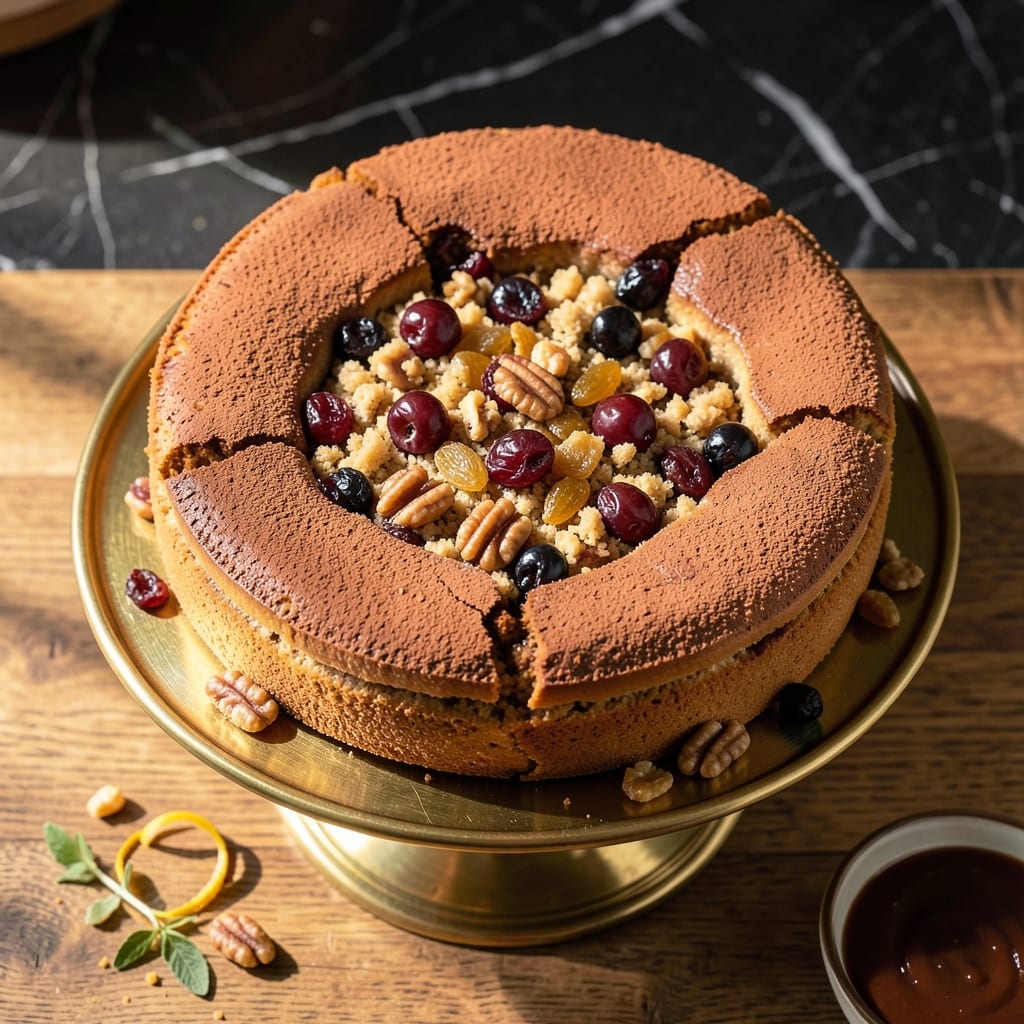
This Australian fruit cake recipe delivers legendary moisture and depth through layers of soaked dried fruit, boozy richness, and warm spices that bake into every bite. The secret lies in a slow, multi-stage soaking process that transforms tough dried fruits into tender, flavor-packed pockets throughout the cake. What makes this version truly special is how the alcohol infuses the fruit while keeping the texture impossibly tender—no dry crumbs here.
Traditional Australian fruit cake requires patience, but the results are worth every minute of preparation. We're talking about a cake that stays moist for weeks when properly stored, with flavors that develop even more depth over time. The combination of brandy, sherry, and port creates that signature boozy complexity, while cinnamon, nutmeg, and allspice build warmth that lingers with each slice.
The baking process itself is straightforward once you understand the key technique: layering soaked fruit and nuts between moist cake batter for even distribution. This ensures every bite delivers that perfect balance of tender cake, plump fruit, and crunchy nuts. The cake's exterior develops a beautiful golden-brown crust while maintaining that signature moist interior that makes it legendary.
Whether you're baking for a special occasion or simply craving a classic dessert, this recipe delivers restaurant-quality results at home. The cake improves with age, making it perfect for making ahead and gifting. Let's get started on creating your own piece of Australian tradition.
Ingredients for australian fruit cake
These carefully chosen ingredients create the legendary moisture and spice balance in Australian fruit cake.
| Ingredient | Amount | Notes |
|---|---|---|
| All-Purpose Flour 🌾 | 4 cups | Sifted for even texture |
| Light Brown Sugar 🍚 | 2 cups | Packed firmly for accuracy |
| Unsalted Butter 🧈 | 1 ½ cups | Room temperature for creaming |
| Large Eggs 🥚 | 4 whole | Room temperature for best results |
| Dried Mixed Fruit 🍇 | 2 ½ cups | Chopped into small pieces |
| Chopped Walnuts 🌰 | 1 ½ cups | Toasted for enhanced flavor |
| Brandy 🍷 | ½ cup | High-quality for infusion |
| Sherry Wine 🍷 | ½ cup | Dry variety preferred |
| Port Wine 🍷 | ½ cup | Rich for depth of flavor |
| Ground Cinnamon 🌶️ | 1 ½ tbsp | Freshly ground preferred |
| Ground Nutmeg 🌶️ | 1 tsp | Freshly grated for warmth |
| Ground Allspice 🌶️ | ½ tsp | For subtle complexity |
| Salt 🧂 | 1 tsp | Diamond Crystal preferred |
| Baking Powder 🧂 | 2 tsp | Ensures proper rise |
| Vanilla Extract 🌿 | 1 tbsp | Pure vanilla for aroma |
The dried fruit is the heart of this cake, so look for high-quality, plump pieces—none of that shriveled grocery store stuff. Penzeys Spices or specialty baking shops carry excellent mixed fruit blends, but any reputable brand will do. The nuts? Toast your own walnuts in a dry skillet until golden for that extra crunch and flavor. For the boozy trio, avoid cheap alcohol—this is where the cake's signature depth comes from. If you can't find port or sherry, substitute with equal parts dark rum and apple cider, though the flavor will differ slightly. The spices are non-negotiable here—freshly ground cinnamon and nutmeg make all the difference.
No brandy? Substitute with equal parts rum and orange juice, though the flavor profile shifts slightly. Running low on sherry? Dry white wine works in a pinch, but reduce to 0.25 cup and add 0.25 cup extra water to maintain moisture. For the fruit, soak it overnight in the alcohol mixture—this transforms tough dried fruit into tender, flavor-packed pieces. If you're short on time, boil the fruit with the alcohol for 10 minutes to speed up the process. The walnuts can be swapped for pecans or almonds if preferred, though walnuts provide that classic Australian texture. And if you're worried about the cake being too rich, reduce the butter by 0.25 cup and increase the applesauce by the same amount.
This cake improves with age, so bake it at least 2 weeks ahead if possible. Wrap tightly in plastic wrap, then foil, and store at room temperature. The flavors meld beautifully over time, resulting in that signature moist texture. For gifting, wrap individual slices in parchment and tie with twine. The cake keeps for up to 3 months this way. If you must refrigerate, bring to room temperature before serving—this cake is best enjoyed at its natural warmth. Leftovers? Toast slices lightly to revive any moisture loss.
Why You'll Love This Recipe
- Use what you’ve got: that half-opened jar of mixed fruit? Perfect. A block of butter sitting in your fridge? Even better. It feeds a crowd but costs less than takeout, and slices reheat beautifully—ideal for when you’ve got company but zero time.
- No-Fuss Mixing: I swear by this recipe because the dough comes together in one bowl—no fancy techniques, just creaming butter and sugar until it’s light, then folding in fruit. The eggs bind it all without extra fuss, and honestly? That’s my kind of baking.
- Moist Magic: The brown sugar keeps this cake tender for days, while the dried fruit—soaked overnight—adds that deep, chewy sweetness. It’s not overly sugary, just richly satisfying, like a hug in dessert form.
- Holiday Hero: Between us, this is my go-to for Christmas, birthdays, or even a last-minute gift. Wrap it in buttered paper, tie a ribbon, and boom—you’ve just saved $50 on a bakery cake. (Yes, even on a Tuesday night.)
Step-by-step instructions for Australian fruit cake
Here's the method for creating a rich, moist fruit cake with deep spice notes and boozy infusion.
Prepare the Mixed Fruit and Nuts
In a large bowl, combine the 2.5 cups dried mixed fruit with the 0.5 cup brandy, 0.5 cup sherry wine, and 0.5 cup port wine. Let this mixture soak for at least 2 hours (or overnight) to fully infuse the fruit with the boozy flavors. This step is crucial for achieving that signature Australian moisture.
In a separate skillet, toast the 1.5 cups chopped walnuts over medium heat for 3-4 minutes until fragrant and lightly golden. Watch closely to prevent burning. Allow them to cool completely before adding to your cake mixture. The toasted walnuts will add a delightful crunch and nutty depth to each bite.
Cream Butter and Sugars
In a stand mixer fitted with the paddle attachment, beat the 1.5 cups unsalted butter (at room temperature) with the 2 cups light brown sugar on medium speed for 3-4 minutes. You're looking for a light, fluffy texture—the mixture should nearly triple in volume and become pale in color. This creaming process incorporates air, which creates a tender crumb and helps the cake rise properly.
Add the 4 whole large eggs, one at a time, mixing well after each addition until fully incorporated. Scrape down the sides of the bowl as needed. The mixture should be smooth and slightly thickened. This is where the cake's structure begins to form, so take your time to ensure everything is properly combined.
Combine Dry Ingredients and Fruit Mixture
In a separate bowl, whisk together the 4 cups all-purpose flour, 1.5 tbsp ground cinnamon, 1 tsp ground nutmeg, 0.5 tsp ground allspice, 1 tsp salt, and 2 tsp baking powder. Sift the flour mixture directly into the wet ingredients, mixing on low speed just until combined. Avoid overmixing—you should still see some flour streaks.
Drain the infused fruit mixture (reserving any liquid) and add it to the batter along with the toasted walnuts. Mix on low speed for another 30 seconds just to distribute everything evenly. The batter will be thick and slightly sticky—this is normal for a fruit cake. Fold in the 1 tbsp vanilla extract at the end for that classic aromatic touch.
Bake for Maximum Moisture
Preheat your oven to 325°F—this lower temperature ensures even baking and prevents drying. Grease and line a 9x5-inch loaf pan thoroughly (or use a round cake pan of similar size). Pour the batter into the prepared pan and smooth the top. For extra moisture, I like to pour ¼ cup of the reserved fruit liquid over the top of the batter before baking.
Bake for 1 hour 15 minutes or until a toothpick inserted in the center comes out clean. The cake should be golden brown on top and pull away slightly from the edges of the pan. For best results, tent the cake with aluminum foil after 45 minutes of baking to prevent over-browning. This step is particularly important for maintaining that signature moist texture.
Rest and Serve
Allow the cake to cool in the pan for 15 minutes, then transfer it to a wire rack to cool completely. The resting period is essential—it allows the flavors to meld and the cake to set properly. For even better results, wrap the cooled cake in plastic wrap and store it in the refrigerator for 24 hours before serving.
Slice the cake into 12 equal portions and serve at room temperature. The combination of warm spices, boozy fruit, and toasted walnuts creates a rich, complex flavor profile that gets better with time. This cake keeps well for up to 2 weeks when properly stored, making it perfect for gifting or enjoying over several days.
Pro Tips For Making Australian Fruit Cake
- SOAK THE FRUIT OVERNIGHT: I learned this the hard way—dried fruit in fruit cake needs moisture, and tossing it in boiling water for 10 minutes isn’t enough. Use double the liquid (boiling water or brandy) and let it sit at least 12 hours—the fruit plumps up, softens, and releases flavor into the cake. (Yes, even if you’re impatient like me, this makes a real difference.)
- CREAM BUTTER AND SUGAR LOW: After burning three batches, I finally figured out the oven’s hot spots aren’t just for show. Cream the unsalted butter and brown sugar until it’s light but not pale yellow—about 3-4 minutes. Over-creaming adds air but risks burning later. The goal is a thick, ribbon-like consistency, not whipped butter. (Your future self will thank you.)
- USE A CAKE THERMOMETER: Guessing when fruit cake is done leads to dryness or underbaking. This dense cake needs 160°C (320°F) internal temp—not the oven’s gauge. Pop a thermometer in the center when it’s looking done; if it’s under, tent with foil and bake another 10-15 minutes. (Does it look weird? Yes. Does it work? Every single time.)
- ADD BOURBON OR BRANDY: I was skeptical until I tried it—2-3 tablespoons of bourbon or brandy (soaked into the fruit or mixed into the batter) cuts through the sweetness and adds depth. Skip the alcohol? Use extra orange or lemon zest instead, but the boozy version is noticeably better. (This isn’t the prettiest method, but it’s the tastiest.)
Flavor customization for this australian fruit cake
Spice Level Control
Adjust the warmth to your taste by modifying the spice blend. For a mild version, reduce the ground cinnamon to 1 teaspoon and omit the allspice entirely. If you love bold flavors, add ½ teaspoon ground cloves or ½ teaspoon freshly grated nutmeg—this deepens the warmth beautifully. I often double the cinnamon for a spiced chai-inspired twist that pairs perfectly with tea. 🌶️
Fruit Variations
Swap the dried mixed fruit for specialty blends like candied citrus peel (add ½ cup) or dried apricots and figs for a more luxurious texture. For a tropical twist, use dried pineapple and mango—just reduce the alcohol to ¼ cup total to avoid over-moistening. I once made a chocolate-dipped version by adding ½ cup chopped dark chocolate to the batter for rich pockets of melted chocolate. 🍍
Nutty Alternatives
Toasted pecans add a buttery sweetness, while macadamia nuts bring a delicate crunch. For a crunchy-sweet contrast, try chopped dates (soaked separately) instead of walnuts. If you're avoiding nuts, pumpkin seeds (pepitas) toasted with cinnamon work surprisingly well. I’ve also seen coconut flakes used for a tropical vibe—just reduce the butter slightly to balance the richness. 🌰
Alcohol-Free Adaptations
Replace the boozy trio with apple cider or orange juice (use 1 cup total) for moisture without the alcohol. For depth, add 1 teaspoon vanilla bean paste or 1 tablespoon maple syrup to mimic the caramelized notes. I’ve also used strong brewed black tea (cooled) as a substitute—it adds tannins that enhance the fruit’s flavor. 🍎
Sweetness Balance
Reduce the brown sugar by ¼ cup if you prefer less sweetness, or add ½ cup honey to the fruit-soaking liquid for a floral note. For a caramelized edge, sprinkle 2 tablespoons light corn syrup over the batter before baking. I once added ½ cup crushed pineapple (drained) to the batter for a tangy contrast that brightened the whole cake. 🍯
Texture Tweaks
For a denser crumb, increase the flour by ¼ cup and reduce the butter by the same amount. Want extra moisture? Add ½ cup Greek yogurt or ¼ cup applesauce to the batter. I’ve also experimented with folding in whipped egg whites for a lighter texture—just be gentle to avoid deflating the batter. 🥛
Nutrition facts
Frequently asked questions
Why does Australian fruit cake need to soak overnight?
The overnight soak transforms tough dried fruit into tender, flavorful pieces by allowing the alcohol to infuse deeply. This creates that signature moist texture that makes the cake legendary. The longer the soak, the more intense the flavor—just don't exceed 24 hours or the fruit may become mushy.
Can I make this cake without alcohol?
Replace the brandy, sherry, and port with 1 cup apple cider or orange juice for moisture. For depth, add 1 teaspoon vanilla bean paste or 1 tablespoon maple syrup to mimic the boozy caramelization. The texture will be slightly lighter but still delicious.
How do I store this cake to keep it moist?
Wrap the cooled cake tightly in plastic wrap, then foil, and store at room temperature. This cake improves with age—wait at least 2 weeks before slicing for maximum flavor. For gifting, wrap individual slices in parchment paper. If refrigerated, bring to room temperature before serving to preserve moisture.
What's the best way to slice this dense cake?
Use a hot knife—wipe it with rubbing alcohol or dip in hot water between slices. This prevents crumbling and gives clean edges. For extra moisture, brush slices with warmed simple syrup (equal parts sugar and water) before serving. The heat helps revive any dried edges.
Can I make this cake in a different pan shape?
Yes! Use a 9-inch round cake pan for traditional slices or a 7x3-inch loaf pan for a taller cake. Adjust baking time—round pans may need 5-10 minutes less while loaf pans might require 10-15 minutes more. Always check with a toothpick for doneness. The key is even heat distribution for consistent moisture.