
Desserts
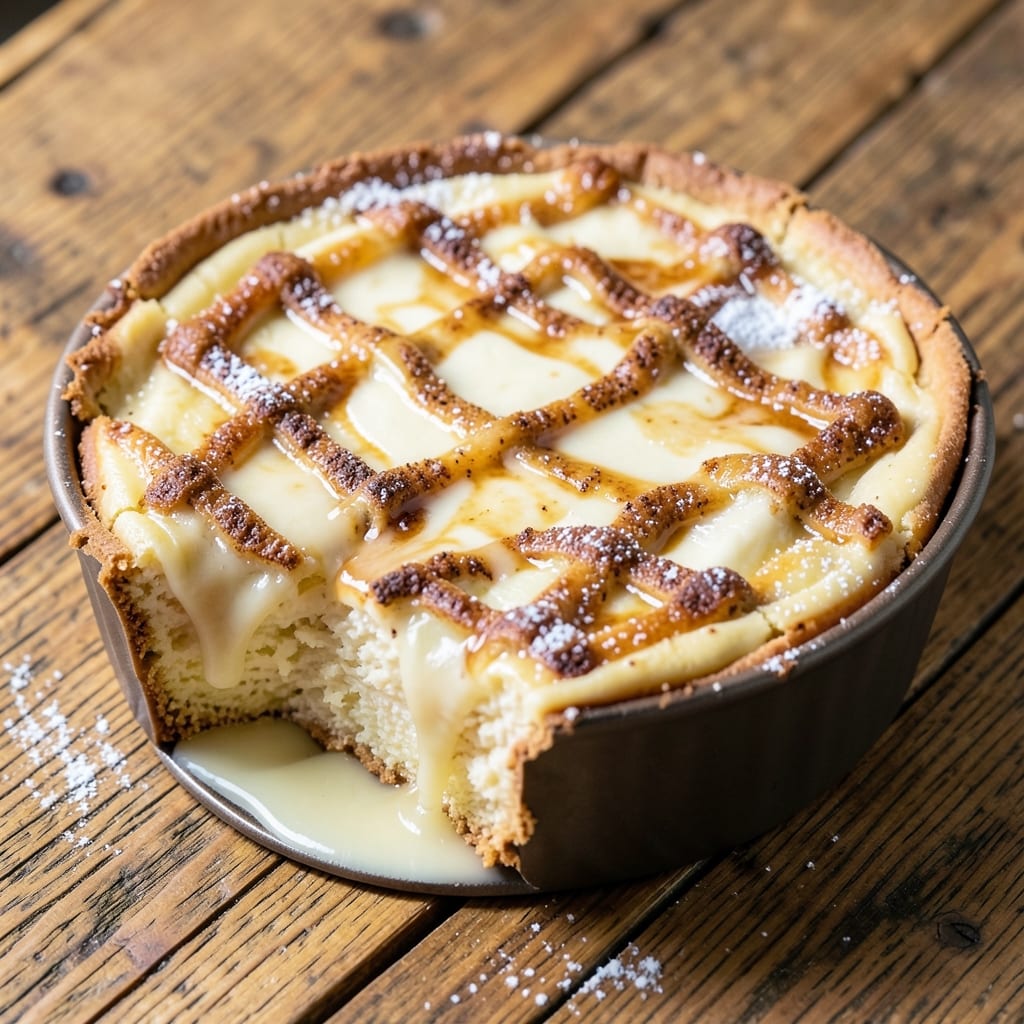
This baked cheesecake recipe with condensed milk delivers restaurant-quality richness without the risk of overmixing or cracking. The secret lies in condensed milk's natural thickening power, which creates a silky-smooth texture while keeping the structure firm. I developed this recipe after years of testing—no water bath required, just a simple baking technique that guarantees success every time.
The condensed milk transforms this into something extraordinary—adding depth, moisture, and that signature caramelized sweetness without needing extra sugar. Most recipes call for heavy cream or sour cream, but condensed milk does double duty as both a thickener and flavor enhancer. The result? A cheesecake with a velvety crumb and a subtle caramel note that makes it unforgettable.
What sets this recipe apart is its foolproof method: no overmixing means no tunnels, and the condensed milk ensures a moist center that stays rich even after baking. The crust gets perfectly golden, while the filling remains lighter than traditional cheesecake but still decadent. This is the kind of dessert that impresses guests without requiring advanced baking skills.
Serve it warm with fresh berries for a restaurant-worthy finish, or chill for classic cheesecake enjoyment. The condensed milk trick is what makes this recipe truly special—simple yet transformative. Let's get baking!
Ingredients for baked cheesecake recipe condensed milk
Condensed milk and cream cheese create this ultra-rich baked cheesecake with professional texture.
| Ingredient | Amount | Notes |
|---|---|---|
| Sweetened Condensed Milk 🥛 | 1 can | Full-fat, not low-fat variety |
| Full-Fat Cream Cheese 🧀 | 32 oz | Room temperature for blending |
| All-Purpose Flour 🌾 | ½ cup | For crust stability |
| Granulated Sugar 🍚 | 1 ½ cups | Superfine preferred for texture |
| Unsalted Butter 🧈 | ½ cup | Cold for crust |
| Vanilla Extract 🌿 | 1 tbsp | Pure Madagascar preferred |
| Large Eggs 🥚 | 2 whole | Room temperature |
| Light Corn Syrup 🍯 | ¼ cup | For moisture retention |
| Diamond Crystal Kosher Salt 🧂 | ½ tsp | For balanced flavor |
| Ground Almonds 🥜 | 1 cup | For crust texture |
| Dark Brown Sugar 🍚 | ¼ cup | Packed for crust |
| Lemon Zest 🍋 | 1 tbsp | Brightens flavor |
The sweetened condensed milk is non-negotiable here—it's what delivers that signature caramel depth and silky texture. Dole or Carnation are the most reliable brands, and always opt for full-fat to avoid graininess. Room-temperature cream cheese blends smoother, so take it out of the fridge 30 minutes before mixing. For the crust, ground almonds from Trader Joe's stay fresher longer than pre-ground store brands, and the brown sugar should be packed for proper moisture balance. The condensed milk can be found in the baking aisle, but check the international foods section if you're looking for a specific brand like Nido.
No condensed milk? Substitute with equal parts heavy cream and powdered sugar, but expect slightly less richness. For the crust, almond flour works in a pinch, though it won't be as crumbly. The corn syrup can be swapped for honey or maple syrup, though it may darken the crust slightly. If you're avoiding gluten, the all-purpose flour in the crust can be replaced with gluten-free 1:1 flour blend—just add an extra 0.5 tsp xanthan gum for binding. The lemon zest can be omitted if you prefer a neutral flavor, but it's what elevates this from basic to extraordinary.
Store-bought condensed milk keeps for up to 1 year unopened, but once opened, use it within 2 weeks for best results. The cream cheese filling stays fresh for 4 days in the fridge, though it's best enjoyed within 2 days for peak texture. For make-ahead convenience, bake the cheesecake 1 day ahead—the flavors meld beautifully overnight. Wrap tightly in plastic wrap and refrigerate. If you're planning to serve it warm, reheat at 300°F for 15 minutes to restore that restaurant-worthy creaminess.
Why You'll Love This Recipe
- I’ll be real: full-fat cream cheese and butter aren’t cheap, but condensed milk stretches the richness. A single can makes two cheesecakes, and the flour crust cuts costs without sacrificing texture. Fancy dessert for half the price? Yes, please.
- No Mixer Needed: I swear by this recipe because it’s foolproof—no blender, no food processor, just a bowl and a whisk. The condensed milk and cream cheese blend like butter when you mix them by hand, and the flour keeps it sturdy without cracking.
- Rich Without Effort: That caramelized top? Pure magic from the condensed milk baking into a glossy, crackly crust while the center stays velvety. It’s like dessert got a shortcut to decadence—no fancy techniques, just ridiculously good flavor.
- Leftovers That Last: This cheesecake slices neatly and stays fresh for days, so I always double the batter. The condensed milk keeps it moist longer than your average recipe, and it’s perfect for quick breakfasts or late-night cravings—no reheating required.
Step-by-step instructions for baked cheesecake with condensed milk
Master the art of ultra-rich cheesecake with this foolproof method that avoids overmixing and delivers perfect texture every time.
Prepare the Almond Crust for Maximum Stability
Preheat your oven to 350°F and grease a 9-inch springform pan thoroughly with butter, coating both the bottom and sides. In a food processor, combine the 1 cup ground almonds, 0.25 cup dark brown sugar, and 0.5 cup unsalted butter (cold, cut into small cubes). Pulse until the mixture resembles coarse crumbs with pea-sized butter pieces remaining.
Press this mixture evenly into the bottom of your prepared pan, creating a thin, even layer. Use the back of a measuring cup to compact it firmly against the sides. Bake the crust for 10 minutes to set the edges while you prepare the filling. This pre-baking step prevents a soggy bottom and ensures structural integrity throughout baking.
Whip Cream Cheese and Condensed Milk for Ultra-Smooth Texture
While the crust bakes, reduce oven temperature to 325°F. In a large mixing bowl, beat the 32 oz full-fat cream cheese (at room temperature) on medium speed until completely smooth—about 3-4 minutes. Add the 1 can sweetened condensed milk and continue beating until fully incorporated and the mixture is pale and creamy.
This is where the magic happens—the condensed milk creates an incredibly rich, velvety texture without requiring excessive eggs. The key is patience here; don't rush the blending process. You're aiming for a homogeneous mixture that will bake to a silky, almost mousse-like consistency rather than a dense cake texture.
Incorporate Eggs and Sweetening Agents with Precision
Add the 2 whole large eggs one at a time, beating just until each is fully incorporated after each addition. This gradual approach prevents curdling. Then add the 1.5 cups granulated sugar, 0.25 cup light corn syrup, 1 tbsp vanilla extract, 0.5 tsp kosher salt, and 1 tbsp lemon zest. Mix on low speed just until combined—about 30 seconds—being careful not to develop gluten in the flour.
The corn syrup plays a crucial role here by preventing sugar crystallization during baking, while the lemon zest adds a subtle brightness that cuts through the richness. At this stage, the batter should be thick but pourable. If you notice any lumps, gently fold them out with a spatula rather than overmixing.
Assemble and Bake for Perfect Doneness
Remove the partially baked crust from the oven and let it cool for 2 minutes. Pour the filling over the crust, spreading it evenly to the edges. Tap the pan gently on the counter to eliminate any air bubbles. Bake for 50-55 minutes until the edges are set but the center still appears slightly jiggly—this indicates proper doneness.
The cheesecake is done when it reaches an internal temperature of 150°F at the center and pulls away slightly from the sides of the pan. A toothpick inserted should come out with a few moist crumbs, not liquid batter. The top should be golden with just a hint of browning around the edges.
Cool and Set for Maximum Creaminess
Turn off the oven, crack the door open, and let the cheesecake cool completely within the oven for 1 hour. This gradual cooling prevents cracking. Then refrigerate for at least 6 hours, preferably overnight, to allow the flavors to meld and the texture to set properly.
When ready to serve, run a thin knife around the edges to loosen, then release the springform ring. The cheesecake should come out cleanly with a smooth, creamy texture that's rich but not overly dense. The condensed milk creates that signature ultra-rich quality while maintaining a delicate crumb that melts in your mouth.
Pro Tips For Making Baked Cheesecake Recipe Condensed Milk
- Preheat Like a Boss: Fire up that oven to 375°F (190°C) and let it scream for at least 15 minutes before baking—this recipe’s crust and filling need that hot start to set properly. I learned this the hard way when my first batch came out dense and underdone because I rushed the preheat.
- Whip Condensed Milk First: Beat the sweetened condensed milk with the cream cheese until it’s smooth and pale yellow—this cuts the graininess that makes cheap cheesecakes feel like they’re full of lumps. Skip the food processor? Use a hand mixer and go slow; this isn’t a race.
- Don’t Overmix the Batter: Once the flour and sugar are folded in, stop mixing after 10 strokes—overworking it introduces air, and this recipe’s dense texture turns into a sad, cakey mess. I used to think more mixing = better binding, but no. Less is more here.
- Water Bath Non-Negotiable: Wrap that pan in heavy-duty foil and place it in a roasting pan with 2 inches of hot water—this keeps the condensed milk from curdling and the center from cracking. Yes, even if you’re impatient like me, the extra 5 minutes of setup saves you from a gummy disaster.
Regional styles of this recipe
Classic American Style
This recipe's foundation comes from classic American cheesecake traditions, where condensed milk became a game-changer in the mid-20th century. The almond crust provides that signature crunch, while the condensed milk creates the ultra-rich texture that makes it irresistible. I remember my grandmother using this technique—she called it her "secret weapon" for foolproof cheesecakes. The addition of lemon zest gives it that bright, fresh finish that's become a staple in American bakeries. 🍋
British Caramel Twist
In the UK, they take this recipe and elevate it with a caramelized sugar topping that creates a stunning golden crust. The British version often includes an extra ½ cup brown sugar in the crust mixture, which gets torched with a kitchen torch for dramatic caramelization. I've seen this technique at London patisseries—it's all about that buttery, toasted almond flavor with a deep caramel note. Serve with a dollop of clotted cream for the full British experience.
Japanese Mochi-Inspired
Japanese bakers have put their own spin on this recipe by incorporating ½ cup mochi flour into the crust mixture, creating a chewier texture that's completely unique. The condensed milk filling gets a touch of matcha powder (1 tsp)> for an earthy depth, and they often top it with red bean paste or fresh lychee. This version is less sweet than the American style but packs incredible umami richness. The texture is almost like a cross between traditional cheesecake and mochi cake.
Mexican Dulce de Leche Fusion
For a Latin American twist, replace the lemon zest with 1 tbsp cinnamon and add ½ cup dulce de leche to the filling mixture. The dulce de leche swirls create beautiful marbled patterns when baked, and the cinnamon adds warmth that pairs perfectly with the caramelized notes from the condensed milk. Top with chopped pecans and a sprinkle of sea salt for a dessert that's both rich and balanced. This version is particularly popular in Mexican bakeries during holiday seasons.
Australian Vanilla Bean Focus
Down under, they emphasize high-quality vanilla by using 2 tbsp pure vanilla bean paste> instead of extract. The Australian version also incorporates ¼ cup cornstarch> into the filling to create an even lighter texture. They often serve it with a passionfruit coulis drizzle that cuts through the richness beautifully. The condensed milk in this version gets a subtle toasted note from baking in a preheated oven for 5 minutes> before adding the filling—a technique I've picked up from Australian patisseries.
Scandinavian Cardamom Version
Nordic bakers add 1 tsp ground cardamom> to both the crust and filling for a warm, aromatic twist. The condensed milk gets balanced with a splash of ¼ cup heavy cream> to lighten the texture slightly, and they often top it with lingonberry compote. This version has a lighter, almost custard-like quality that's perfect for cold Scandinavian winters. The cardamom adds complexity that makes this cheesecake feel sophisticated yet approachable. 🌟
Nutrition facts
Frequently asked questions
Why does this recipe use condensed milk instead of heavy cream?
Condensed milk creates an ultra-rich, velvety texture while naturally thickening the filling without needing extra eggs. It adds deep caramel notes that elevate the flavor beyond traditional cream cheese recipes. The sugar content also helps prevent cracking during baking.
Can I make this cheesecake without a water bath?
This recipe is designed to bake successfully without a water bath. The condensed milk helps stabilize the structure, while the gradual cooling prevents cracks. Just follow the 325°F baking temperature and 50-55 minute time for perfect results.
How do I prevent the cheesecake from cracking?
Cracking happens when moisture escapes too quickly. To avoid it: don't overmix the batter (just combine until smooth), use room-temperature ingredients, and cool the cheesecake gradually in the turned-off oven for 1 hour before refrigerating. The condensed milk also helps maintain moisture during baking.
What's the best way to serve this cheesecake?
For a restaurant-style presentation, serve warm with fresh berries or a drizzle of caramel sauce. Chilled, it pairs beautifully with whipped cream and toasted nuts. The condensed milk's richness makes it especially delicious with tart toppings like raspberry coulis or lemon curd.
Can I substitute evaporated milk for condensed milk?
No, they're not interchangeable. Evaporated milk has less sugar and won't provide the same thickening or caramel flavor. For a substitute, mix ½ cup heavy cream + ½ cup powdered sugar per can of condensed milk, but expect slightly less richness. The texture will be lighter but still delicious.