
Desserts
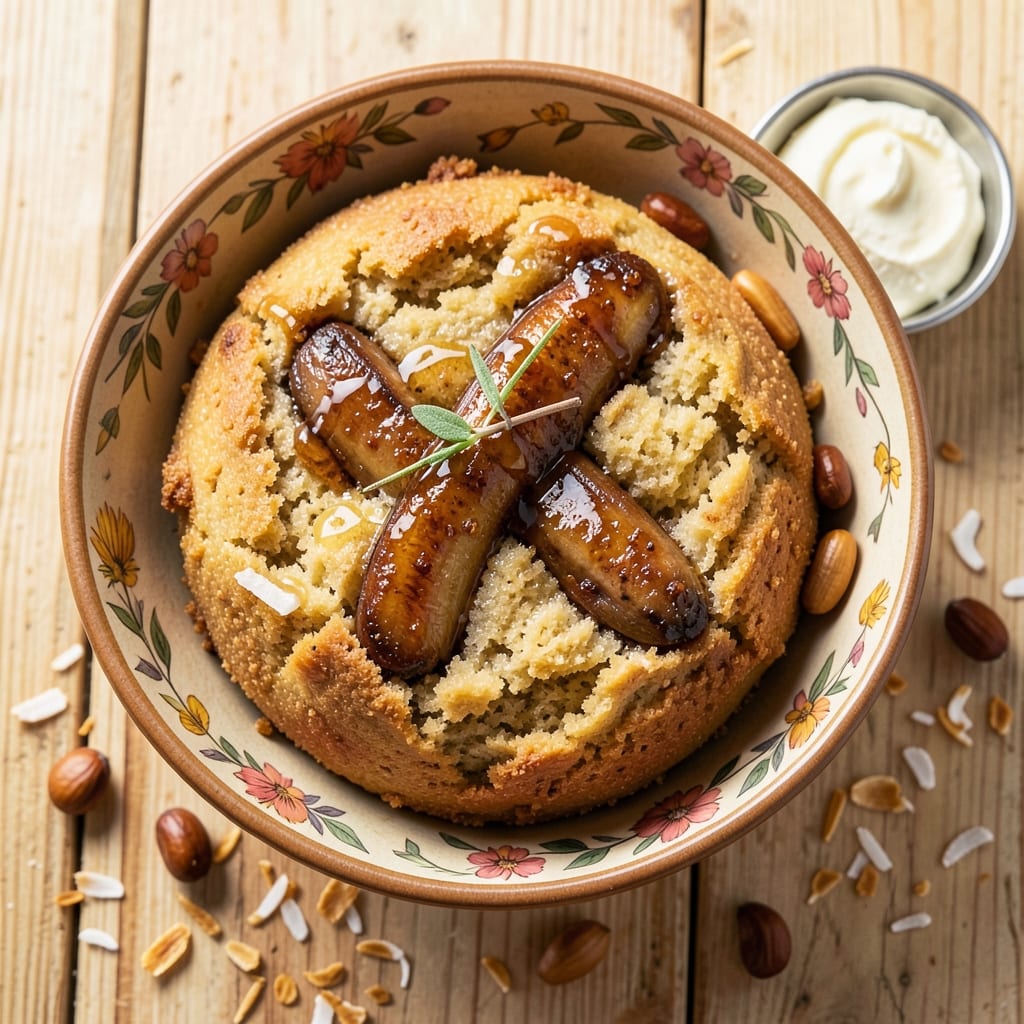
This banana cake Indian recipe transforms ripe bananas into a moist, spiced masterpiece that blends traditional flavors with irresistible texture. Cardamom and warm cinnamon infuse every bite, while jaggery or brown sugar adds depth that store-bought versions can't match. The secret lies in the batter's gentle folding technique—ensuring tender layers without dryness, a hallmark of authentic Indian baking.
What sets this recipe apart is its balance of simplicity and sophistication. No special equipment is needed—just ripe bananas, basic pantry staples, and a foolproof baking method that yields a cake with a golden crust and a velvety crumb. The spices don't overpower; instead, they harmonize with the natural sweetness of the bananas, creating a dessert that feels both comforting and celebratory.
By the time it emerges from the oven, you'll have a cake that's richly moist, fragrant with cardamom, and perfectly balanced in sweetness. The optional nut or coconut garnish adds texture and visual appeal, making it ideal for gatherings or a special treat. This isn't just dessert—it's a taste of home, elevated.
Whether you're baking for a family celebration or simply craving something indulgent, this recipe delivers restaurant-quality results with minimal effort. The steps are clear, the ingredients accessible, and the outcome guaranteed to impress. Let's get started!
Ingredients for banana cake indian
Ripe bananas, warm spices, and tender layers create this Indian-inspired cake masterpiece.
| Ingredient | Amount | Notes |
|---|---|---|
| Ripe Bananas 🍌 | 3 whole | Mashed to 1.5 cups, no brown spots |
| All-Purpose Flour 🌾 | 2 ½ cups | Sifted for light texture |
| Granulated Sugar 🍚 | 1 cup | Or substitute brown sugar |
| Jaggery or Brown Sugar 🍯 | ½ cup | For authentic depth (optional) |
| Unsalted Butter 🧈 | ¾ cup | Softened at room temperature |
| Large Eggs 🥚 | 2 whole | Room temperature for even mixing |
| Milk 🥛 | ½ cup | Whole milk preferred |
| Vanilla Extract 🌸 | 1 tsp | Pure extract for authentic flavor |
| Ground Cardamom 🌿 | 1 tsp | Freshly ground preferred |
| Ground Cinnamon 🌶️ | ½ tsp | Warm, aromatic variety |
| Baking Soda 🧪 | ½ tsp | For proper rise |
| Salt 🧂 | ¼ tsp | Fine sea salt |
| Pistachios or Coconut Flakes 🥜 | ½ cup | Optional garnish for texture |
The bananas are the heart of this cake, so choose ones with blackened skins but firm flesh. Indian grocery stores often carry riper bananas than mainstream supermarkets, but any ripe banana will work. For the jaggery or brown sugar, look for organic brands at specialty stores—they add a caramelized depth that regular sugar can't match. Cardamom is non-negotiable here; Penzeys or Mace spices offer the best quality. If you can't find ground cardamom, lightly toast whole pods and grind them fresh for maximum flavor. The butter should be room temperature but not melted—this ensures proper emulsification in the batter.
No jaggery? Brown sugar or maple syrup works in a pinch, though jaggery's molasses notes are unique. Substituting vanilla bean paste for extract adds complexity, but pure extract is fine. For nut-free versions, swap pistachios for toasted coconut flakes or omit entirely. If your flour is old, sift it thoroughly—this prevents dense cake. The baking soda and salt are standard, but using Diamond Crystal kosher salt (not table salt) ensures proper balance. For extra moisture, add 1 tbsp yogurt or sour cream to the batter, though it's not traditional.
Store leftovers in an airtight container at room temperature for 2 days or refrigerate for 5 days—though it's best enjoyed fresh. The cake reheats beautifully in the microwave for 10-15 seconds if sliced cold. For make-ahead baking, prepare the batter up to 24 hours ahead and refrigerate before baking. The spices lose potency over time, so regrind cardamom if stored more than 3 months. Freeze portions for up to 3 months by wrapping tightly in plastic.
Why You'll Love This Recipe
- No Mash Struggles: I’ll admit—mashed bananas can get messy. But this recipe? You just blend them until smooth, then fold in the flour and sugar like you’re making pancakes. No sticky fingers, no extra bowls.
- Jaggery Magic: Honestly, swapping regular sugar for jaggery changes everything. That caramelized depth from the brown sugar or jaggery? It turns a simple cake into something warm and almost spiced—like a hug in dessert form.
- Tea Time Everyday: Between us, this cake is my go-to for afternoon tea, office picnics, or even as a quick breakfast. Slice it thin, and it’s light enough to pair with chai. Thicker slices? Perfect with a dollop of ghee or peanut butter.
- Banana Rescue: I’ve saved more than a few overripe bananas with this recipe. The flour and butter balance their sweetness so well that even the brownest bananas turn out moist and delicious—no waste, just flavor.
Step-by-step instructions for cardamom-kissed banana cake
This recipe delivers a perfectly moist, spiced banana cake with layers of warm cardamom flavor.
Prepare the Banana and Wet Ingredients
Begin by mashing the 3 whole ripe bananas until completely smooth—no lumps should remain. The bananas should yield about 1.5 cups of puree. I press them through a fine-mesh sieve to ensure a silky texture that prevents dense cake layers.
In a separate bowl, cream together the 0.75 cup unsalted butter and 1 cup granulated sugar using an electric mixer on medium speed for 3-4 minutes. The mixture should become light and fluffy, nearly doubling in volume. This step incorporates air, which creates that signature tender crumb. Scrape down the sides of the bowl occasionally to ensure even mixing.
Add the 2 whole large eggs, one at a time, mixing well after each addition. Incorporate the 0.5 cup milk, 1 teaspoon vanilla extract, and the mashed bananas. The batter should be smooth and well combined—this is your base for the moist cake texture we're aiming for.
Combine Dry Ingredients and Fold Gently
In a medium bowl, whisk together the 2.5 cups all-purpose flour, 0.5 teaspoon baking soda, 0.25 teaspoon salt, 1 teaspoon ground cardamom, and 0.5 teaspoon ground cinnamon. Sifting the flour first prevents lumps and ensures an even distribution of spices throughout the batter.
Gradually add the dry ingredients to the wet mixture in three parts, mixing on low speed just until combined after each addition. Overmixing develops gluten, which can make the cake dense. Stop mixing as soon as the flour disappears—you should still see slight streaks of flour in the batter.
For that authentic depth, fold in the 0.5 cup jaggery or brown sugar if using. This adds a caramelized richness that complements the cardamom beautifully. The batter should be thick but pourable—if it's too stiff, add 1-2 tablespoons of milk to adjust the consistency.
Bake Until Golden and Springy
Preheat your oven to 350°F and grease an 8-inch round cake pan or line it with parchment paper. Pour the batter into the prepared pan and smooth the top with a spatula. For even baking, gently tap the pan on the counter to release any air bubbles.
Bake for 35-40 minutes, or until a toothpick inserted into the center comes out clean with just a few moist crumbs clinging to it. The cake should be golden on top with slightly domed edges. If the top browns too quickly, tent the pan with aluminum foil after 20 minutes to prevent over-browning while maintaining even cooking.
This is where the cardamom's aromatic magic happens—the warm spices infuse the cake as it bakes, creating layers of flavor that develop fully during the final minutes. The cake should spring back gently when pressed in the center, indicating perfect doneness.
Add Topping and Garnish
While the cake is still warm, prepare the optional topping by melting 2 tablespoons of unsalted butter in a small saucepan. Stir in 2 tablespoons of the reserved jaggery or brown sugar and 1 teaspoon milk until smooth. Brush this glaze evenly over the warm cake.
Sprinkle the top with 0.5 cup pistachios or coconut flakes for texture and visual appeal. The warm cake will help the topping adhere beautifully. Let the cake cool in the pan for 10 minutes, then transfer it to a wire rack to cool completely before slicing.
The result should be a moist, tender cake with a delicate crumb and layers of warm cardamom flavor in every bite. Each slice should hold its shape slightly but still feel light and airy—a perfect balance of structure and moisture that makes this cake truly special.
Pro Tips For Making Banana Cake Indian
- Mash Bananas Properly: The smoother the batter, the lighter the cake. Use a fork first to break them up, then mash with a potato masher or wooden spoon—no blender needed. Lumpy batter makes for a dense cake, and nobody wants that.
- Use Warm Butter: Cut the butter into small cubes and let it sit at room temperature for 10-15 minutes before mixing. Cold butter won’t blend smoothly with the sugar, and you’ll end up with greasy pockets instead of a tender crumb.
- Don’t Overmix the Batter: Once you fold in the flour, stop after 20-25 strokes. Overmixing activates the gluten, and your cake will turn out tough instead of soft. Think "just combined," not "fluffy like pancake batter."
- Bake Until Golden: Check the cake at 30 minutes—it should pull away from the sides but still be slightly underdone. The center might look wet, but it sets as it cools. Cutting it too soon makes for a gummy mess.
Regional styles of these flavors
South Indian Style
In South India, banana cakes often incorporate grated coconut and khoya (mawa) for a denser, richer texture. Replace the jaggery with palm sugar for a deeper caramelized note, and fold in ½ cup khoya after mixing wet ingredients. The addition of 1 tsp freshly grated nutmeg elevates the warm spice profile. This version is popular in Kerala and Tamil Nadu, where it's served during festivals like Onam. 🌿
North Indian Twist
North Indian banana cakes lean toward nutty crunch and saffron-infused sweetness. Add ¼ cup chopped almonds or cashews to the batter, and fold in ½ tsp saffron steeped in 2 tbsp warm milk after combining dry ingredients. For extra richness, replace ½ cup milk with khoya or paneer (yes, paneer in cake!). This variation is a staple in Punjabi households during Diwali. 🌟
Goan Fusion
Goan banana cakes embrace coconut milk and cashew paste for a tropical twist. Substitute ½ cup milk with ½ cup coconut milk and replace ½ cup butter with ½ cup cashew paste (blend soaked cashews with a pinch of salt). Add 1 tsp grated nutmeg and ½ tsp black pepper for a unique warmth. This version is lighter, almost like a coconut cake with banana swirls. 🥥
Maharashtrian Classic
Maharashtrian banana cakes are spiced with fennel seeds and dried kokum for a tangy-sweet balance. Toast 1 tsp fennel seeds and grind them with the cardamom before mixing into dry ingredients. Add 1 tsp dried kokum powder (or ½ tsp citric acid) to the wet mix for a subtle tartness. This cake is traditionally served with sweetened coconut chutney for dipping. 🌶️
Modern Fusion Adaptation
For a contemporary take, blend ½ cup Greek yogurt into the wet ingredients for tangy moisture, and add 1 tsp orange zest for brightness. Swap pistachios for chopped macadamia nuts and drizzle with a dark chocolate glaze (melt ½ cup dark chocolate with 2 tbsp coconut oil). This version keeps the cardamom and cinnamon but adds a gourmet twist perfect for brunch. ✨
Nutrition facts
Frequently asked questions
Can I substitute jaggery with regular sugar?
Yes, you can use regular brown sugar as a 1:1 substitute for jaggery. While jaggery adds a unique caramelized depth, brown sugar will still enhance the flavor with its molasses notes. For the closest result, choose light brown sugar over dark. The cake will still be delicious—just slightly less complex in flavor.
How do I know when my bananas are ripe enough?
Look for bananas with blackened skins but firm flesh. Press gently—they should yield slightly but not feel mushy. Indian grocery stores often carry riper bananas than Western markets. Avoid bananas with brown spots or soft centers, as they'll make the cake too dense.
Why did my cake turn out dry?
Dry cake usually means overbaking or overmixing. Check your oven temperature (use an oven thermometer) and reduce by 25°F if needed. Also, ensure you're not overmixing the batter—stop as soon as the flour disappears. For extra moisture, add 1 tbsp yogurt or 2 tbsp milk to the batter. A toothpick test (clean with crumbs) is more reliable than time alone.
Can I make this cake gluten-free?
Yes! Replace the all-purpose flour with a 1:1 gluten-free baking blend. Add ½ tsp xanthan gum to help bind the cake. You may need to increase the milk by 1-2 tbsp since gluten-free flours absorb differently. Expect a slightly denser texture but still moist. For best results, use a blend designed for cakes.
What's the best way to store leftovers?
Store in an airtight container at room temperature for 2 days or refrigerate for 5 days. For longer storage, freeze slices wrapped tightly in plastic for up to 3 months. Reheat cold slices in the microwave for 10-15 seconds to restore freshness. The cake reheats beautifully—just avoid overdoing it or it may become gummy.